
Compare models

Google Pixel 10 · E wātea ana ki ngā whatunga katoa vs iPhone 17e · E wātea ana ki ngā whatunga katoa

  • Pūtāhui kotahi tau
  • Shipping rates shown at checkout
  • Ka taea te whakahoki i roto i ngā rā 14 (ka pā ngā tikanga tuku whakahoki)
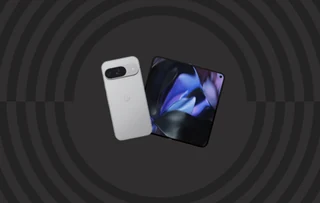
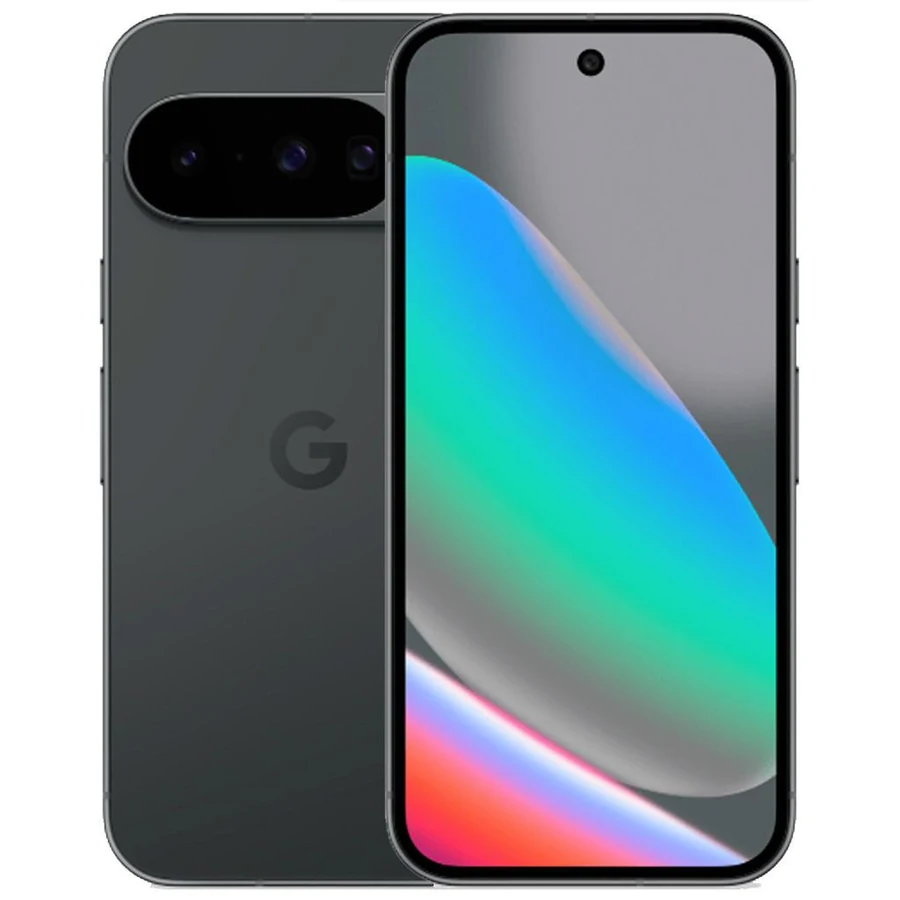
Google Pixel 10 · E wātea ana ki ngā whatunga katoa
Mai i

Utu mō te mea kua whakahoungia:USD 186 $

Utu mō te mea hou · USD 899 $

Tirohia ngā kōwhiringa
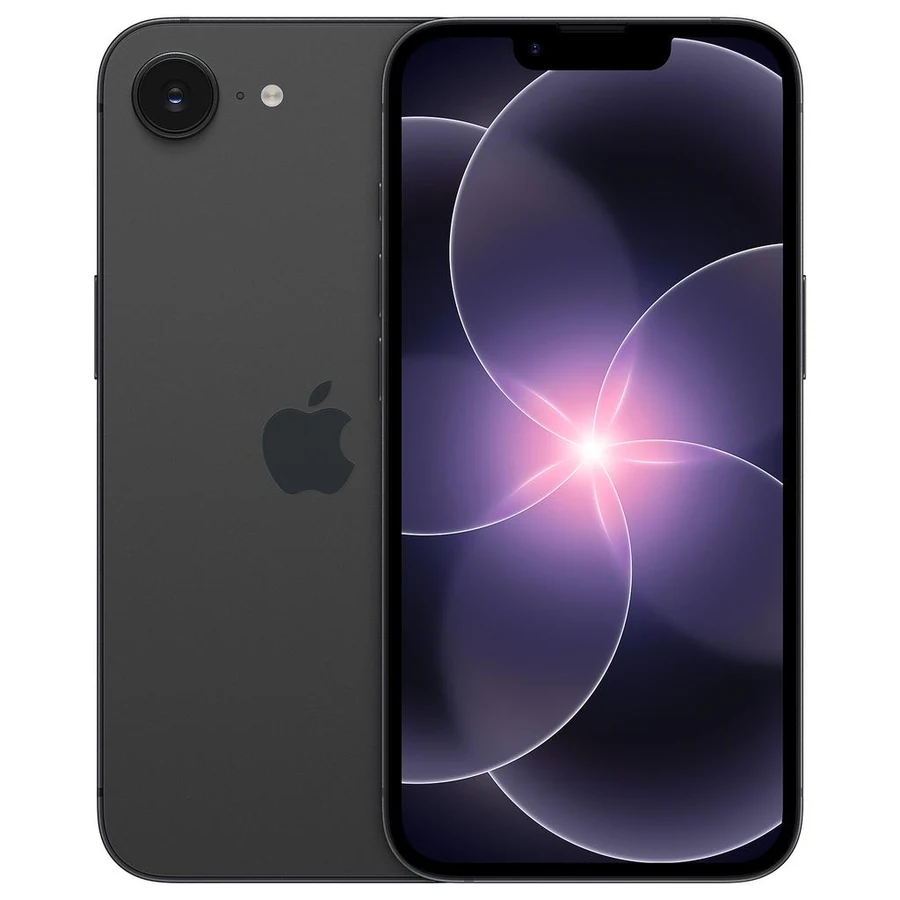
iPhone 17e · E wātea ana ki ngā whatunga katoa
Mai i

Utu mō te mea kua whakahoungia:USD 185 $

Utu mō te mea hou · USD 699 $

Tirohia ngā kōwhiringa

He tirohanga poto ki ngā rerekētanga

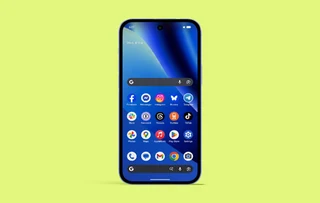
The Google Pixel 10 (2025) and the Apple iPhone 17e (2026) represent contemporary options in the unlocked smartphone market, catering to users who want modern hardware without looking at top-tier flagship lines. While the Google Pixel 10 runs on Android and features a flexible triple-lens camera setup, the Apple iPhone 17e operates on iOS with a streamlined single-lens system and a slightly more compact build. Choosing between them largely depends on your preferred software ecosystem and day-to-day usability preferences.

Ngā tauira e wātea ana

Tae

Storage (GB)

Ngā kaute

Te pakari

Both devices are built for long-term ownership, though they differ slightly in release timing, software support timelines, and hardware construction.

    Software longevity: The Google Pixel 10 offers multi-year system updates backed by Android, while the iPhone 17e provides long-term iOS updates aligned with Apple's standard support lifecycle.
    Build resilience: Both smartphones feature water resistance ratings and durable glass-and-aluminum designs, though the iPhone 17e is slightly lighter and thinner for daily handling.
    Repair framework: Both manufacturers provide structured repair options and diagnostic tools, helping extend the practical lifespan of each device through component replacements.

Te tau i tukuna ai

2025

2026

Pūnaha whakahaere

Android

iOS

Foldable

Kāo

Kāo

Te kaha mahi

System performance and efficiency vary between the two models due to differing operating systems, memory allocations, and hardware configurations.

    Everyday responsiveness: Both devices handle multitasking, web browsing, and demanding mobile applications smoothly, ensuring apps open quickly without stuttering.
    Battery behavior: The Google Pixel 10 houses a larger battery capacity that easily sustains moderate to heavy use throughout a full day, whereas the iPhone 17e relies on power-efficient hardware optimization to deliver comparable daily endurance.
    Storage configurations: Both models provide ample baseline storage options for apps, photos, and media files, though neither supports expandable storage via memory cards.

Te kounga o te mata

Display characteristics differ in size and panel technology, impacting media consumption, outdoor legibility, and physical footprint.

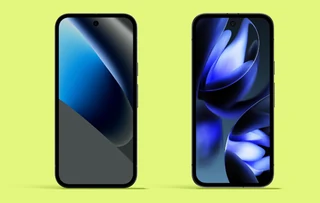
    Display technology: The Google Pixel 10 features a slightly larger OLED screen with vibrant color reproduction and high peak brightness, while the iPhone 17e utilizes a compact Super Retina XDR OLED panel with sharp pixel density.
    Smoothness and motion: Both screens support fluid scrolling rates for browsing and animations, ensuring responsive touch feedback during daily tasks.
    Outdoor visibility: High maximum brightness levels on both displays allow for clear legibility under direct sunlight.

Taumira

1080x2424

2532 x 1170

Te ataata me te oro

Camera capabilities differ significantly in hardware versatility, giving users distinct tools for capturing photos and videos.

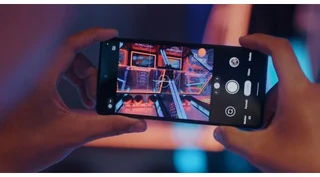
    Camera versatility: The Google Pixel 10 incorporates a flexible triple-lens array including a dedicated telephoto lens for optical zoom, whereas the iPhone 17e relies on a single high-resolution main camera system.
    Image processing: Both devices excel at everyday photography, utilizing automated computational tools to handle challenging lighting conditions and low-light environments effectively.
    Video and audio: Both models record sharp video with stable footage and clear microphone pickup, making them well-suited for video calls and casual content creation.

Kāmera matua

Advanced Triple Rear

48 megapixels

Kāmera o mua

10.5-megapixel Dual PD selfie camera with autofocus

12 megapixels

Ētahi atu āhuatanga

Practical everyday features such as connectivity standards, physical ports, and security sensors shape the daily user experience.

    Connectivity and ports: Both smartphones support modern 5G networks, fast Wi-Fi standards, and use reversible charging ports alongside wireless charging capabilities.
    Biometric security: The Google Pixel 10 utilizes an in-display fingerprint scanner, while the iPhone 17e relies on facial recognition technology.
    Physical dimensions: The iPhone 17e offers a lighter and more compact form factor, whereas the Google Pixel 10 provides a slightly broader display surface area.

Taumaha

7 oz

Not available

Te rahi o te mata (inihi)

6.3

6.1

Whatunga

LTE

5G

Kāri SIM

eSIM

eSIM

Carrier compatibility

E wātea ana ki ngā whatunga katoa

E wātea ana ki ngā whatunga katoa

Tūhono

USB-C

USB-C (USB 2)

Ngā whakaaro o te hapori

User feedback highlights distinct preferences for each device across community forums and reviews. Google Pixel 10 users frequently praise the flexible camera system, clean Android interface, and bright display, though some note that the device feels heavier in the hand. Conversely, iPhone 17e users appreciate the smooth iOS ecosystem, reliable battery efficiency, and lightweight build, while noting that the single rear camera lacks optical zoom flexibility.

Users prioritizing a versatile multi-lens camera system and an open operating system may prefer the Google Pixel 10. Meanwhile, users who favor a streamlined interface, lightweight handling, and deep integration with Apple services will likely lean toward the iPhone 17e. For those exploring sustainable purchasing routes, opting for a quality-assured refurbished option provides a practical way to acquire these devices while minimizing environmental impact.

Ā mātou whakataurite hou

WhatsApp