
Compare models

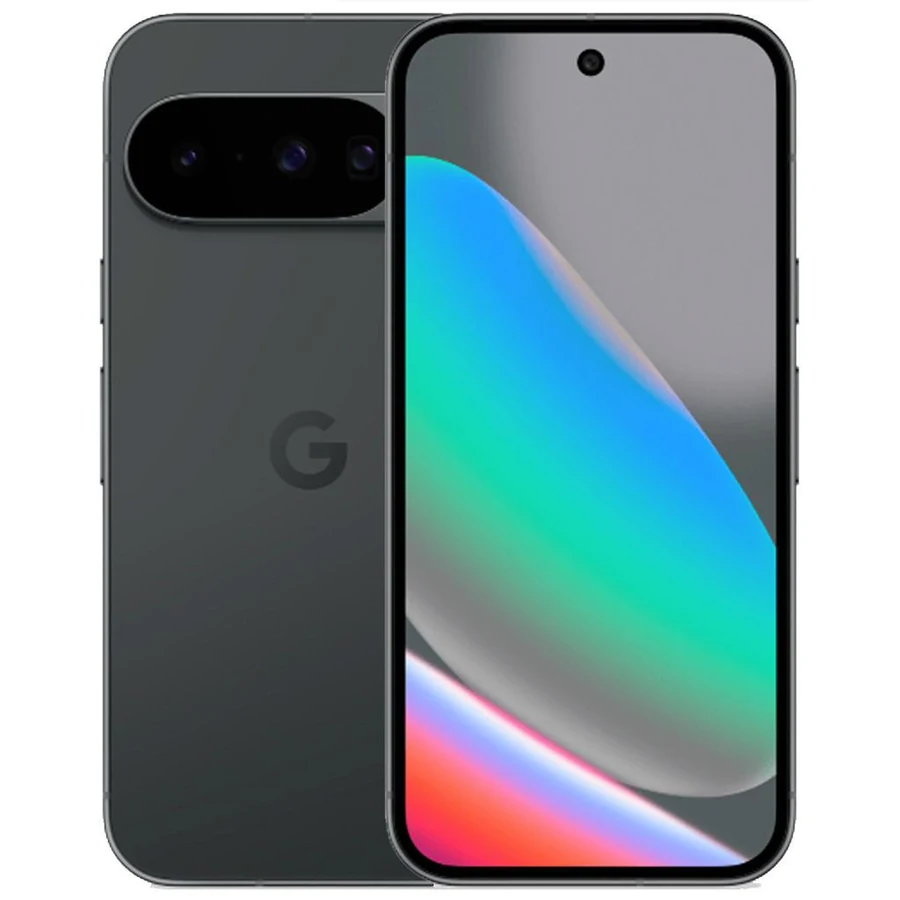
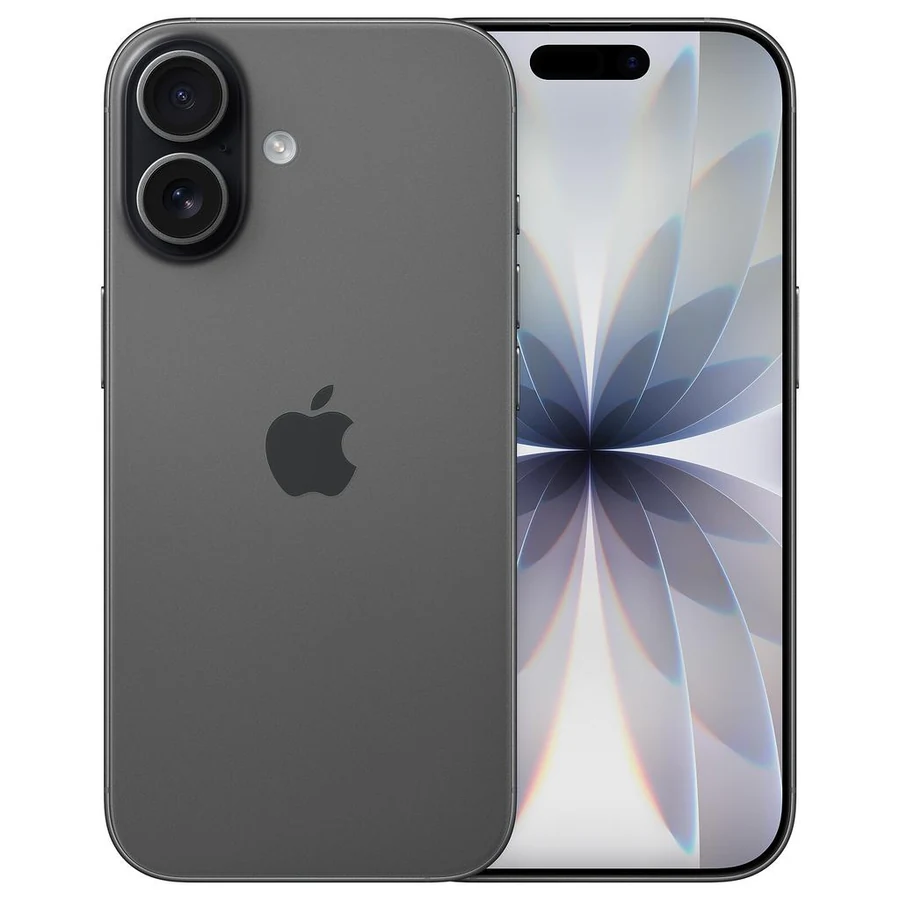
Google Pixel 10 · E wātea ana ki ngā whatunga katoa vs iPhone 17 · E wātea ana ki ngā whatunga katoa

  • Pūtāhui kotahi tau
  • Shipping rates shown at checkout
  • Ka taea te whakahoki i roto i ngā rā 14 (ka pā ngā tikanga tuku whakahoki)
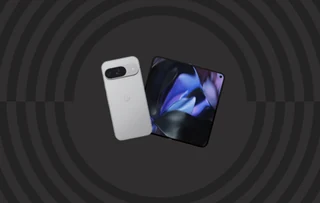
Google Pixel 10 · E wātea ana ki ngā whatunga katoa
Mai i

Utu mō te mea kua whakahoungia:USD 186 $

Utu mō te mea hou · USD 899 $

Tirohia ngā kōwhiringa
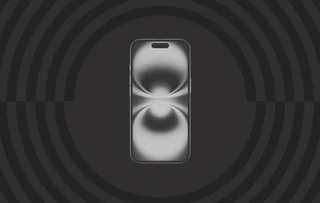
iPhone 17 · E wātea ana ki ngā whatunga katoa
Mai i

Utu mō te mea kua whakahoungia:USD 249 $

Utu mō te mea hou · USD 929 $

Tirohia ngā kōwhiringa

He tirohanga poto ki ngā rerekētanga

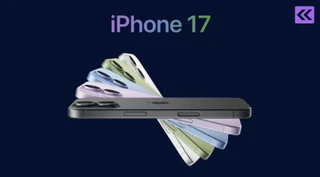
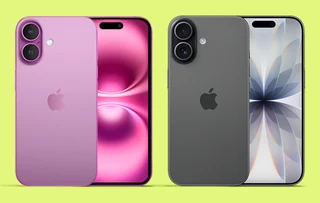
The Google Pixel 10 (2025) and the Apple iPhone 17 (2025) represent contemporary flagship smartphone options for everyday users, mobile professionals, and students alike. While both devices occupy similar physical footprints with 6.3-inch displays, they operate on entirely different ecosystems, utilizing Android and iOS respectively.

Choosing between these two smartphones primarily depends on preferred software environments and how each manufacturer handles everyday processing tasks, camera functionality, and system customization.

Ngā tauira e wātea ana

Tae

Storage (GB)

Ngā kaute

Te pakari

Both the Google Pixel 10 and the iPhone 17 are engineered to handle years of daily use, though their long-term update frameworks and repair ecosystems differ significantly.

  • Software update longevity: The Google Pixel 10 benefits from an extended multi-year commitment covering major operating system upgrades, while the iPhone 17 receives Apple's traditional long-term software support cycle.
  • Repairability and build durability: Both models utilize robust aluminum frames and reinforced glass fronts designed to withstand accidental drops, with established global repair networks providing reliable component replacements.
  • Expected lifespan: Generous memory allocations and efficient system architecture ensure that both devices will remain responsive and relevant for routine tasks over several years of ownership.

Te tau i tukuna ai

2025

2025

Pūnaha whakahaere

Android

iOS

Foldable

Kāo

Kāo

Te kaha mahi

Underneath the surface, the Google Pixel 10 and iPhone 17 approach day-to-day multitasking, app loading, and energy efficiency through distinct custom silicon architectures.

  • RAM and multitasking: The Google Pixel 10 features ample memory to keep background applications active smoothly, while the iPhone 17 relies on optimized memory management to switch between demanding programs without stuttering.
  • Battery behavior: Both devices comfortably sustain a full day of standard mixed usage, supporting modern fast-charging standards and wireless power sharing for convenience on the go.
  • Everyday responsiveness: Navigating user interfaces, streaming high-definition video, and playing graphics-intensive games feel consistently fluid and immediate on both platforms.

Te kounga o te mata

Visual immersion is a priority for both manufacturers, with each device featuring bright, high-resolution panels suited for diverse indoor and outdoor lighting conditions.

  • Display technology: Both smartphones utilize advanced organic light-emitting diode panels that deliver deep black levels, high contrast ratios, and vivid color reproduction.
  • Brightness and outdoor visibility: High peak brightness capabilities ensure that text, maps, and photos remain clearly legible even under direct sunlight.
  • Refresh rate smoothness: Adaptive refresh rate technology scales dynamically up to high frequencies, ensuring seamless scrolling through web pages and fluid animation transitions.

Taumira

1080x2424

2622x1206

Te momo mata

OLED

Super Retina XDR

Te ataata me te oro

Photography and video capture capabilities differ in processing style and hardware layout, allowing users to choose the output that best matches their aesthetic preferences.

  • Lens configurations: The Google Pixel 10 utilizes a versatile multi-sensor rear camera array, whereas the iPhone 17 focuses on a refined dual-lens setup paired with advanced computational photography.
  • Low-light performance: Both handsets excel at preserving detail and reducing digital noise in dimly lit environments through automated exposure stacking.
  • Video and audio recording: Video capture remains remarkably stable on both devices, supported by responsive directional microphones that isolate speech clearly during calls and voice memos.

Kāmera matua

Advanced Triple Rear

48 megapixels

Kāmera o mua

10.5-megapixel Dual PD selfie camera with autofocus

18 megapixels

Ētahi atu āhuatanga

Practical everyday features, connectivity standards, and physical ergonomics define the final user experience of each handset.

  • Connectivity standards: Both models support modern fifth-generation cellular networks, rapid wireless standards, and precise dual-frequency satellite positioning for reliable navigation.
  • Biometric security: Users can secure their personal data using responsive facial recognition systems or integrated biometric fingerprint sensors.
  • Physical handling: Weighing similarly with balanced proportions, both devices rest comfortably in one hand and fit easily into pockets or small travel bags.

Taumaha

7 oz

6.24 oz (177 g)

Te rahi o te mata (inihi)

6.3

6.3

Whatunga

LTE

5G

Kāri SIM

eSIM

eSIM

Carrier compatibility

E wātea ana ki ngā whatunga katoa

E wātea ana ki ngā whatunga katoa

Tūhono

USB-C

USB-C

Ngā whakaaro o te hapori

User community discussions frequently praise the Google Pixel 10 for its intuitive software customization and reliable computational photography, while the iPhone 17 receives strong acclaim for its ecosystem integration, video recording consistency, and long-term hardware retention. Common criticisms for both models generally center on incremental year-over-year design changes rather than radical reinventions.

Users who prioritize flexible operating system customization and automated photo enhancements will find the Google Pixel 10 well-suited to their daily routines. Conversely, users who value seamless cross-device synchronization with a tablet or computer will lean toward the iPhone 17. For consumers seeking an eco-friendly alternative, exploring a quality-assured refurbished option provides a sustainable choice that reduces electronic waste without compromising on modern smartphone performance.

Ā mātou whakataurite hou

WhatsApp