
Compare models

Google Pixel 10 · E wātea ana ki ngā whatunga katoa vs Google Pixel 10a · E wātea ana ki ngā whatunga katoa

  • Pūtāhui kotahi tau
  • Shipping rates shown at checkout
  • Ka taea te whakahoki i roto i ngā rā 14 (ka pā ngā tikanga tuku whakahoki)
Google Pixel 10 · E wātea ana ki ngā whatunga katoa
Mai i

Utu mō te mea kua whakahoungia:USD 186 $

Utu mō te mea hou · USD 899 $

Tirohia ngā kōwhiringa
Google Pixel 10a · E wātea ana ki ngā whatunga katoa
Mai i

Utu mō te mea kua whakahoungia:USD 165 $

Utu mō te mea hou · USD 499 $

Tirohia ngā kōwhiringa

He tirohanga poto ki ngā rerekētanga

The Google Pixel 10 (2025) and Google Pixel 10a (2026) represent two complementary approaches to modern smartphone engineering within Google's device lineup. While both models share a similar 6.3-inch screen format and run on the Android operating system, they cater to distinct user preferences through differing internal architectures and camera configurations.

Understanding how these two unlocked smartphones diverge in everyday handling, performance potential, and hardware longevity helps prospective buyers identify which model best suits their personal usage patterns.

Ngā tauira e wātea ana

Tae

Storage (GB)

Ngā kaute

Te pakari

When evaluating structural longevity and software support, both devices offer robust frameworks designed to last for several years of reliable daily operation.

    Software longevity: Both smartphones launch with Android 16 and qualify for extensive multi-year operating system upgrades, ensuring long-term access to security patches and new software features.
    Build resilience: Each device features durable water and dust resistance alongside modern protective glass, though the standard model incorporates a slightly more robust frame construction for heavy handling.
    Repair framework: Both models benefit from accessible component replacement networks and structured software diagnostic tools, making them sustainable, quality-assured refurbished options for eco-conscious consumers.

Te tau i tukuna ai

2025

2026

Pūnaha whakahaere

Android

Android

Foldable

Kāo

Kāo

Te kaha mahi

Performance capabilities vary based on the underlying hardware generation, influencing how smoothly each device handles intensive multitasking and everyday applications.

    System responsiveness: The Google Pixel 10 relies on a higher-tier processor generation that handles demanding applications, complex multitasking, and sustained graphics processing with greater thermal efficiency.
    Memory allocation: Equipped with a larger pool of system memory, the standard model manages background tasks and switching between heavy apps with minimal reloading, whereas the Pixel 10a handles typical daily workflows efficiently with slightly more conservative multitasking overhead.
    Battery behavior: The Pixel 10a features a slightly larger physical battery capacity that pairs with an optimized, power-efficient processor to deliver consistent all-day endurance for standard web browsing and messaging.

Te kounga o te mata

Display hardware across both smartphones delivers clear, vibrant visuals suited for media consumption, reading, and outdoor visibility.

    Panel technology: Both devices utilize bright OLED display technology that produces deep black levels, high contrast ratios, and vivid color reproduction for everyday viewing.
    Motion smoothness: Each model supports a high maximum refresh rate that dynamically scales up to 120Hz, ensuring fluid scrolling through web pages, social media feeds, and system menus.
    Outdoor clarity: The standard Pixel 10 achieves a higher peak brightness level for easier readability under direct sunlight, while the Pixel 10a provides comfortable viewing thresholds for typical indoor and overcast outdoor environments.

Taumira

1080x2424

1080 x 2424

Te momo mata

OLED

OLED

Te ataata me te oro

Optics and media capabilities present a clear point of divergence, particularly for users who frequently rely on varied focal lengths for photography.

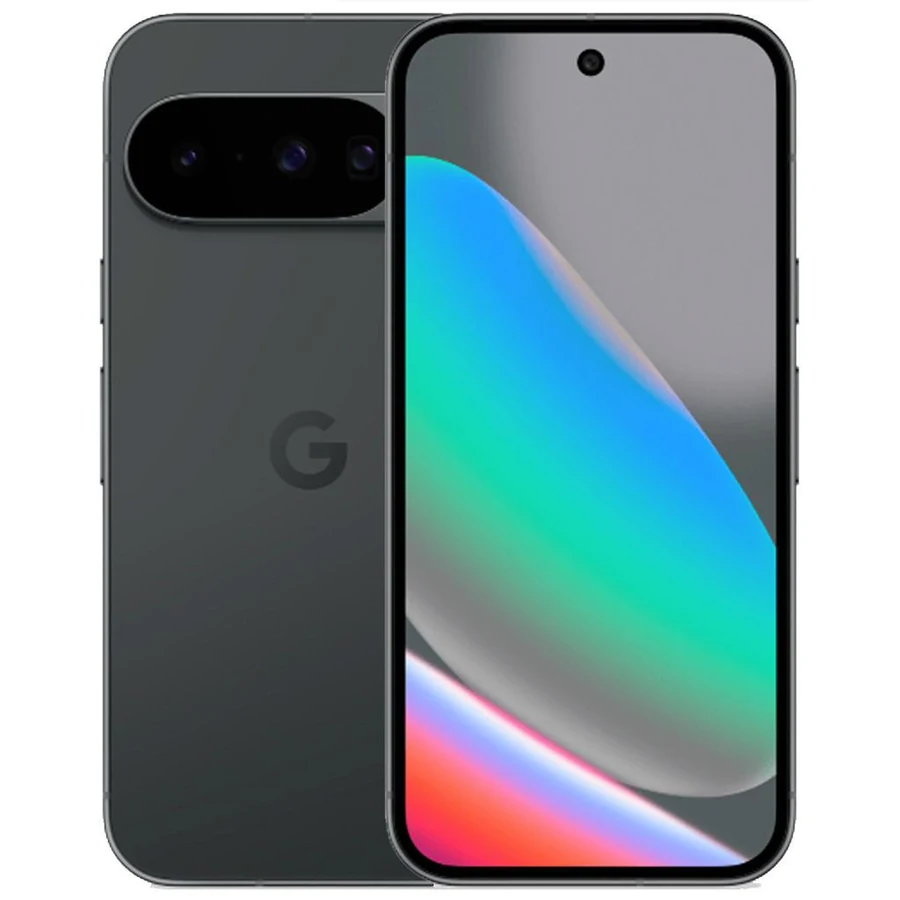
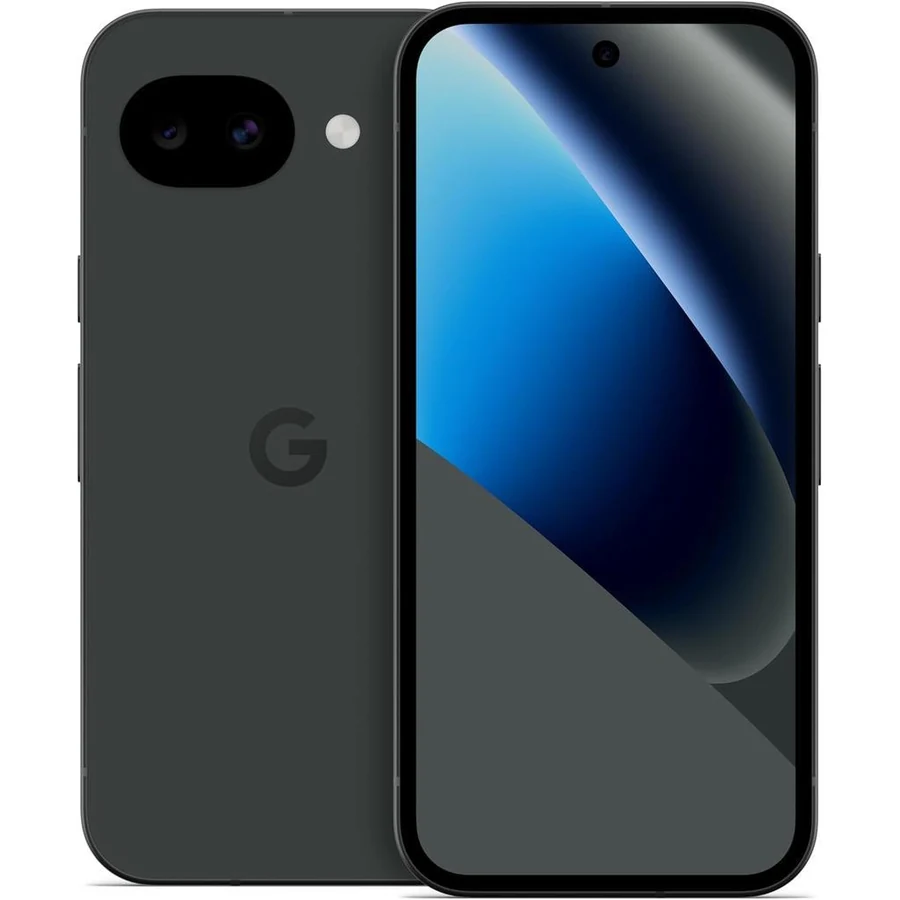
    Lens configuration: The Google Pixel 10 includes a dedicated triple-lens array featuring a high-resolution telephoto lens for optical zoom reach, whereas the Pixel 10a employs a streamlined dual-lens setup focused on wide and ultra-wide perspectives.
    Computational photography: Both devices leverage advanced image processing software to produce sharp, balanced everyday photos, low-light night imagery, and stable video recording.
    Audio and media output: Stereo speaker configurations on both models deliver clear voice reproduction for calls and adequate volume levels for casual media playback without external accessories.

Kāmera matua

Advanced Triple Rear

48 megapixels

Kāmera o mua

10.5-megapixel Dual PD selfie camera with autofocus

13 megapixels

Ētahi atu āhuatanga

Practical day-to-day utilities, physical dimensions, and connectivity standards dictate how comfortably each phone integrates into daily routines.

    Physical handling: The Pixel 10a utilizes a composite matte back and slightly altered dimensions that yield a lighter overall hand-feel, while the Pixel 10 features denser build materials that provide a heavier grip.
    Connectivity features: Both unlocked models support fast 5G data networks, modern Wi-Fi standards, secure Bluetooth protocols, and contactless payment sensors.
    Biometric security: Each smartphone incorporates responsive, screen-integrated fingerprint sensors alongside facial recognition options for quick device unlocking.

Taumaha

7 oz

7 oz

Te rahi o te mata (inihi)

6.3

6.3

Whatunga

LTE

5G

Kāri SIM

eSIM

Physical SIM + eSIM

Carrier compatibility

E wātea ana ki ngā whatunga katoa

E wātea ana ki ngā whatunga katoa

Tūhono

USB-C

USB-C

Ngā whakaaro o te hapori

Choosing between the Google Pixel 10 and the Google Pixel 10a depends entirely on individual feature priorities and daily device demands. Users prioritizing advanced optical zoom capabilities, heavier processing headroom for demanding tasks, and higher peak display brightness may find the standard Google Pixel 10 aligns well with their preferences. Conversely, users who value straightforward everyday reliability, a lightweight feel, and efficient battery endurance for standard messaging and media will find the Google Pixel 10a well-suited to their needs.

For those looking toward sustainable technology upgrades, choosing a quality-assured refurbished option provides a reliable way to access these capabilities while supporting eco-friendly purchasing habits. Evaluating these practical differences ensures a well-informed decision tailored to your specific workflow.
Ā mātou whakataurite hou

WhatsApp