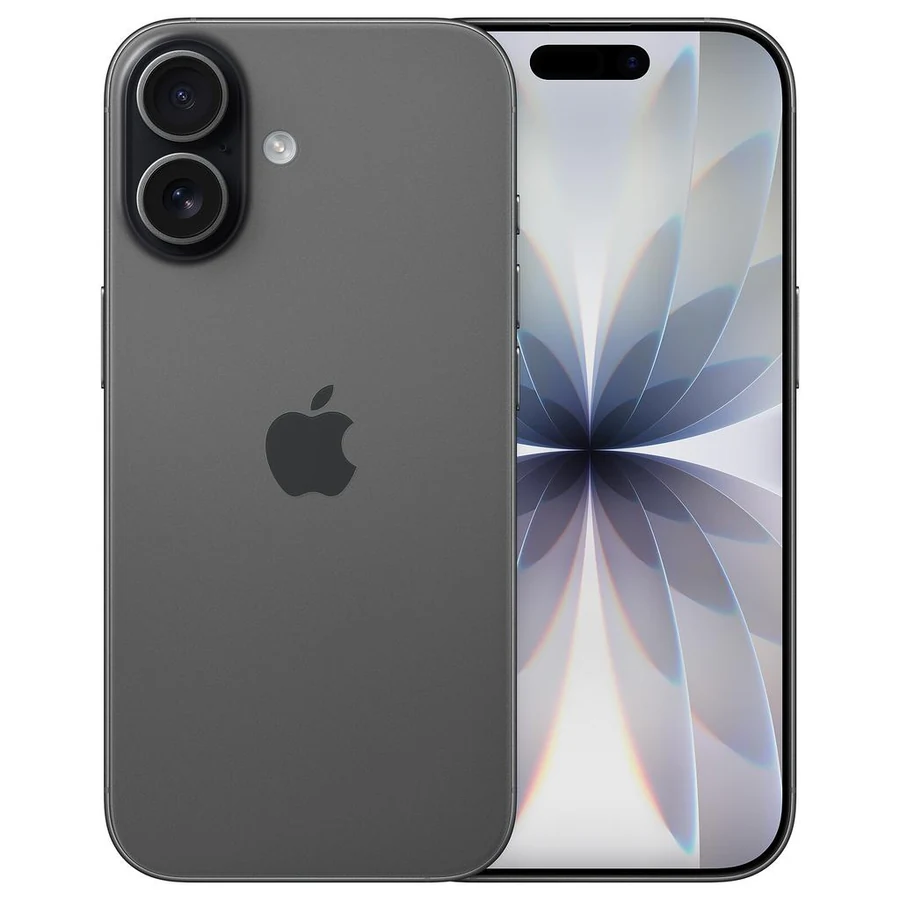

Compare models

Google Pixel 10 Pro · E wātea ana ki ngā whatunga katoa vs iPhone 17 · E wātea ana ki ngā whatunga katoa

  • Pūtāhui kotahi tau
  • Shipping rates shown at checkout
  • Ka taea te whakahoki i roto i ngā rā 14 (ka pā ngā tikanga tuku whakahoki)
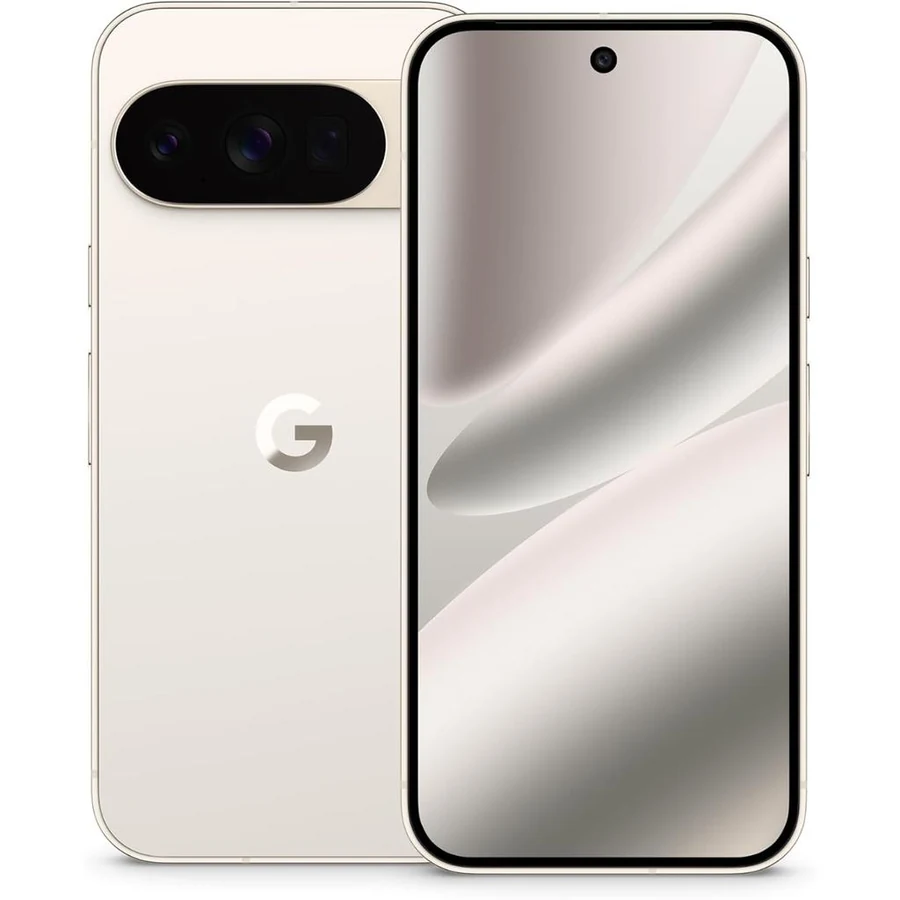
Google Pixel 10 Pro · E wātea ana ki ngā whatunga katoa
Mai i

Utu mō te mea kua whakahoungia:USD 237 $

Utu mō te mea hou · USD 999 $

Tirohia ngā kōwhiringa
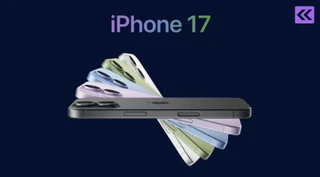
iPhone 17 · E wātea ana ki ngā whatunga katoa
Mai i

Utu mō te mea kua whakahoungia:USD 249 $

Utu mō te mea hou · USD 929 $

Tirohia ngā kōwhiringa

He tirohanga poto ki ngā rerekētanga

The Google Pixel 10 Pro (2025) and the iPhone 17 (2025) represent leading smartphone options within the Android and Apple ecosystems. While both devices deliver high-tier mobile computing experiences, they cater to different platform preferences, user interface designs, and functional priorities. Operating respectively on Android 16 and iOS, each model brings distinct software environments and hardware integration to everyday users.

Ngā tauira e wātea ana

Tae

Storage (GB)

Ngā kaute

Te pakari

Both smartphones are built to remain functional for years, though their software update timelines and hardware durability frameworks differ slightly.

  • Software Support: Both manufacturers provide long-term operating system updates and security patches, ensuring the devices stay current for many years.
  • Build Materials: Both models use robust glass and metal frames combined with high-level water and dust resistance for daily protection.
  • Repairability: Both brands offer organized repair channels and official parts availability to extend device lifespans responsibly.

Te tau i tukuna ai

2025

2025

Pūnaha whakahaere

Android

iOS

Foldable

Kāo

Kāo

Te kaha mahi

Underneath the surface, these devices manage multitasking, demanding applications, and daily responsibilities through distinct hardware configurations.

  • Storage Variations: Both models provide ample internal space configurations for media libraries, documents, and large applications.
  • Daily Responsiveness: Each device handles rapid app launching, split-screen multitasking, and graphic-heavy gaming smoothly without noticeable stutter.
  • Battery Behavior: Both units comfortably last through a standard day of mixed usage, supporting fast charging protocols and wireless replenishment options.

Te kounga o te mata

Viewing experiences on both handsets benefit from modern display panels engineered for clarity, fluid motion, and outdoor legibility.

  • Display Technology: Both devices employ advanced organic light-emitting diode panels that deliver deep blacks, high contrast ratios, and vivid color reproduction.
  • Refresh Rates: High refresh rate support ensures fluid scrolling through web pages and smooth animations across user interfaces.
  • Outdoor Visibility: High peak brightness capabilities allow both screens to remain legible under direct sunlight.

Taumira

—

2622x1206

Te momo mata

LTPO OLED

Super Retina XDR

Te ataata me te oro

Photography and video recording suites on these phones provide versatile tools for capturing everyday moments and detailed media.

  • Lens Configurations: Both systems feature multi-lens setups incorporating high-resolution main sensors and wide options for diverse framing.
  • Low-Light Performance: Advanced computational processing helps both models capture clear, balanced images in dim environments.
  • Video and Audio: High-definition video recording features stable motion compensation, complemented by clear internal microphones and balanced stereo speaker output for media consumption.

Kāmera matua

—

48 megapixels

Kāmera o mua

—

18 megapixels

Ētahi atu āhuatanga

Practical day-to-day elements shape how each device connects to networks and fits into physical hand usage.

  • Hononga: Both models support modern fifth-generation cellular networks, rapid wireless local area networks, and Bluetooth standards.
  • Physical Ports: Both options utilize universal Type-C connection ports for charging and wired data transfers.
  • Handling: Ergonomic dimensions and balanced weight distribution ensure comfortable one-handed use and pocket transport.

Taumaha

—

6.24 oz (177 g)

Te rahi o te mata (inihi)

6.3

6.3

Whatunga

5G

5G

Kāri SIM

Physical SIM + eSIM

eSIM

Carrier compatibility

E wātea ana ki ngā whatunga katoa

E wātea ana ki ngā whatunga katoa

Tūhono

USB-C

USB-C

Ngā whakaaro o te hapori

User discussions highlight distinct preferences for each device based on ecosystem loyalty and feature emphasis. Community feedback for the Google Pixel 10 Pro frequently praises its versatile multi-lens camera system and customizable Android interface, while noting that intensive tasks can occasionally generate noticeable warmth. Conversely, users often commend the iPhone 17 for its fluid integration within the Apple ecosystem and reliable processing efficiency, though some express a desire for more expansive file-sharing flexibility.

Users prioritizing deep customization, flexible file management, and integrated artificial intelligence tools will find the Google Pixel 10 Pro well-suited to their needs. Meanwhile, users prioritizing seamless multi-device continuity within the Apple environment and long-term hardware retention may lean toward the iPhone 17. For those seeking a quality-assured refurbished option, choosing a pre-owned device provides a sustainable choice that reduces electronic waste while delivering the same core capabilities.

Ā mātou whakataurite hou

WhatsApp