
Compare models

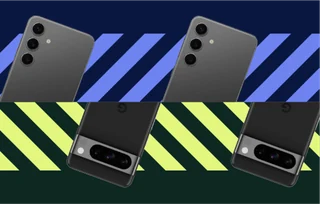
Google Pixel 10 Pro · Desbloqueado vs iPhone 16 · Desbloqueado

  • Garantia de um ano
  • Shipping rates shown at checkout
  • Devoluções em 14 dias (aplicam-se as condições de envio da devolução)
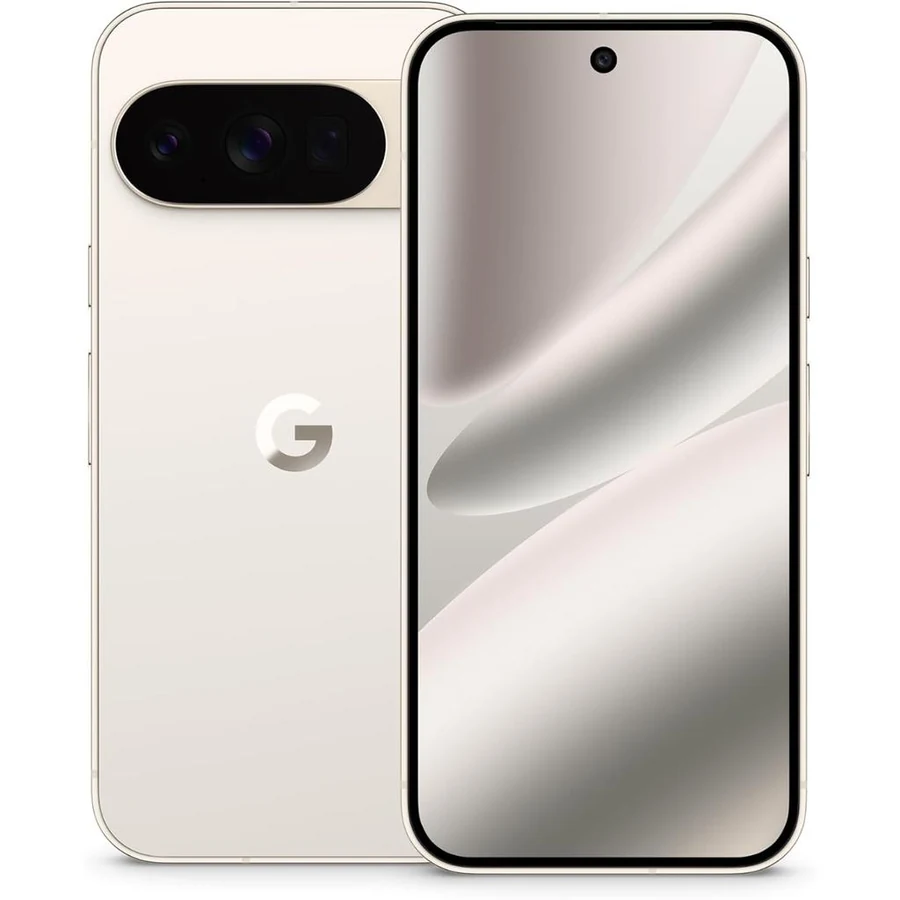
Google Pixel 10 Pro · Desbloqueado
Desde

Preço recondicionado:USD 237 $

Preço em novo · USD 999 $

Ver opções
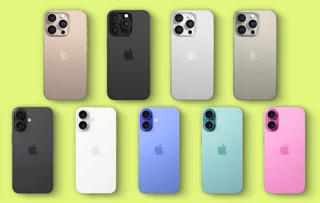
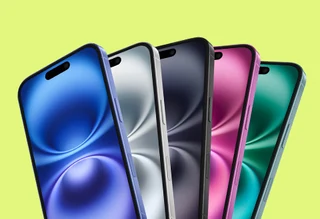
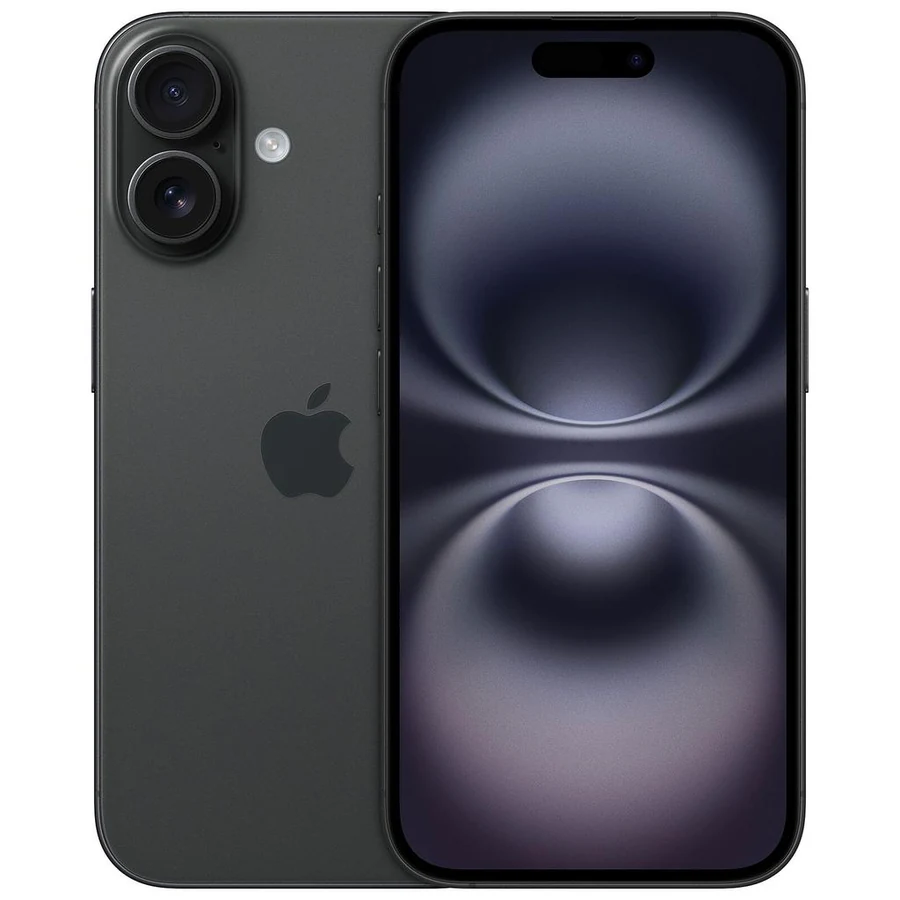
iPhone 16 · Desbloqueado
Desde

Preço recondicionado:USD 189 $

Preço em novo · USD 729 $

Ver opções

As diferenças num relance

The Google Pixel 10 Pro (2025) and the Apple iPhone 16 (2024) are prominent flagship smartphones running on distinct operating systems, with the Pixel utilizing Android and the iPhone operating on iOS. While both devices deliver powerful everyday capabilities, they differ notably in camera versatility, screen dimensions, and software ecosystems. This comparison explores how their core differences align with varied user routines and preferences.

Modelos disponíveis

Cor

Storage (GB)

Pontuações

Durabilidade

Both smartphones are built to remain relevant for years, though their update lifecycles and repair considerations differ based on manufacturer support policies.

  • Software Longevity: The Pixel 10 Pro benefits from Google's commitment to extended multi-year operating system updates, while the iPhone 16 features Apple's traditional long-term software support window.
  • Build and Repairability: Both models utilize robust glass and metal materials designed to withstand daily wear, though finding authorized service options can vary depending on regional infrastructure.
  • Expected Lifespan: Both devices offer strong component durability, ensuring they easily handle several years of primary daily use without performance degradation.

Ano de lançamento

2025

2024

Foldable

Não

Não

Desempenho

Handling daily apps, multitasking, and demanding tasks efficiently, both models provide fluid user experiences powered by current-generation internal hardware.

  • Multitasking and Memory: The Pixel 10 Pro includes ample system memory for handling intensive background processes, while the iPhone 16 relies on tightly integrated hardware and software efficiency to manage multitasking smoothly.
  • Battery Behavior: Both devices are equipped to last through a full day of typical mixed usage, though heavy media streaming or extended gaming will require a top-up before the end of the day.
  • Storage and Configurations: Both smartphones offer multiple baseline and expanded storage tiers to accommodate large photo libraries and heavy application files without frequent clearing.

Qualidade do ecrã

Visual immersion is a priority for both manufacturers, featuring bright, high-contrast panels designed for clear viewing across varied lighting conditions.

  • Display Technology: Both models use advanced OLED panel technology that delivers deep blacks, vivid color reproduction, and sharp text rendering for reading and media consumption.
  • Brightness and Outdoor Legibility: Peak brightness levels on both screens ensure that content remains legible even under direct sunlight, adjusting smoothly to ambient light changes.
  • Refresh Rate and Smoothness: The Pixel 10 Pro features a high adaptive refresh rate for fluid scrolling, whereas the iPhone 16 standard model utilizes a traditional fixed refresh rate for interface animations.

Resolução

—

1179 x 2556

Tipo de ecrã

LTPO OLED

Super Retina XDR OLED

Imagem e som

Photography and video recording capabilities are central to both smartphones, offering reliable point-and-shoot performance alongside specialized capture lenses.

  • Lens Versatility: The Pixel 10 Pro features a triple-lens setup including a dedicated optical zoom lens, while the iPhone 16 relies on a dual-lens system optimized for everyday wide and ultra-wide framing.
  • Low-Light and Video: Both devices process challenging low-light environments effectively, and both provide stable, high-definition video recording with clear internal microphone audio capture.
  • Media and Audio Output: Built-in stereo speakers on both models deliver balanced sound output suitable for casual podcast listening and video playback without external speakers.

Câmara principal

—

48 megapixels

Câmara frontal

—

12 megapixels

Outras características

Practical daily usability elements such as connectivity, biometric security, and physical dimensions shape how each phone feels in the hand.

  • Biometric Security: The Pixel 10 Pro combines facial recognition with an under-display fingerprint sensor, whereas the iPhone 16 relies exclusively on face-scanning technology.
  • Connectivity and Ports: Both devices support modern 5G networks and fast Wi-Fi standards, utilizing universal charging and data transfer ports.
  • Physical Handling: The Pixel 10 Pro offers a slightly larger screen real estate within a structured frame, while the iPhone 16 provides a more compact footprint that suits single-handed operation.

Peso

—

6.00 oz (170 g)

Tamanho do ecrã (polegadas)

6.3

6.1

Rede

5G

5G

Cartão SIM

Physical SIM + eSIM

eSIM

Carrier compatibility

Desbloqueado

Desbloqueado

Conector

USB-C

USB-C (USB 2)

A opinião da comunidade

Choosing between the Google Pixel 10 Pro and the Apple iPhone 16 largely depends on software preference and specific hardware priorities. Users who prefer deep customization, an integrated ecosystem of AI assistant tools, and a dedicated zoom lens will find the Pixel 10 Pro well-suited to their workflow. Conversely, users who favor a streamlined operating system, a compact physical footprint, and simple long-term reliability may lean toward the iPhone 16. For those seeking a sustainable choice, exploring quality-assured refurbished options can provide access to these flagship experiences as an eco-friendly alternative that reduces electronic waste. Ultimately, evaluating daily habits regarding software preference and camera use will point toward the most fitting device.


As nossas comparações recentes

WhatsApp