
Compare models

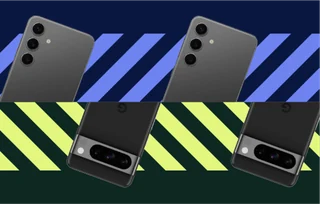
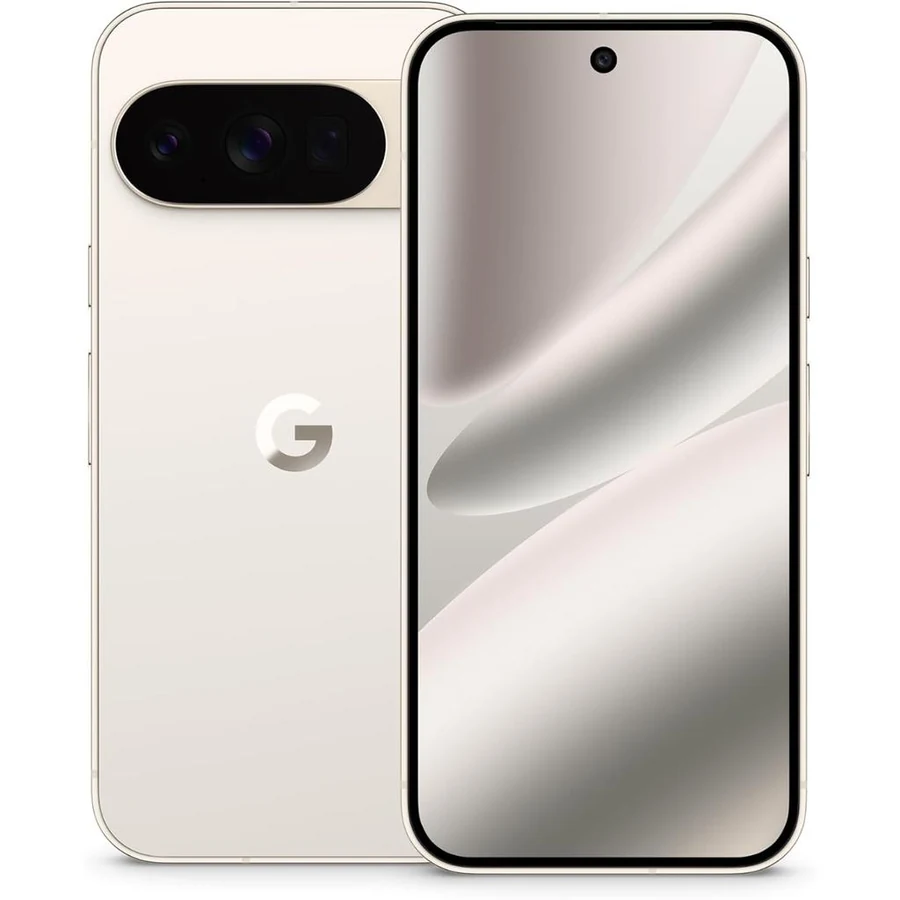
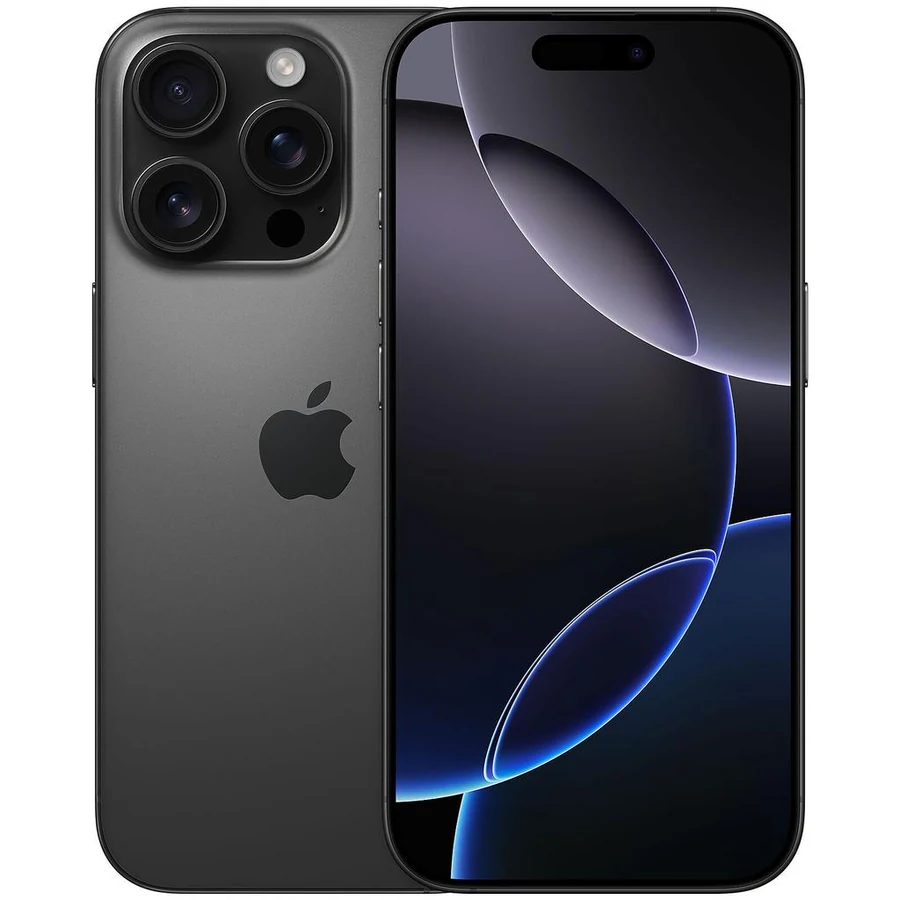
Google Pixel 10 Pro · E wātea ana ki ngā whatunga katoa vs iPhone 16 Pro · E wātea ana ki ngā whatunga katoa

  • Pūtāhui kotahi tau
  • Shipping rates shown at checkout
  • Ka taea te whakahoki i roto i ngā rā 14 (ka pā ngā tikanga tuku whakahoki)
Google Pixel 10 Pro · E wātea ana ki ngā whatunga katoa
Mai i

Utu mō te mea kua whakahoungia:USD 237 $

Utu mō te mea hou · USD 999 $

Tirohia ngā kōwhiringa
iPhone 16 Pro · E wātea ana ki ngā whatunga katoa
Mai i

Utu mō te mea kua whakahoungia:USD 242 $

Utu mō te mea hou · USD 999 $

Tirohia ngā kōwhiringa

He tirohanga poto ki ngā rerekētanga

The Google Pixel 10 Pro (2025) and the iPhone 16 Pro (2024) represent advanced tiers of smartphone engineering within their respective ecosystems. While both handsets deliver robust performance, premium materials, and capable camera systems in manageable form factors, they diverge significantly in operating systems, processing philosophy, and software integration. The Google Pixel 10 Pro runs on Android, emphasizing deep customization and smart assistance, whereas the iPhone 16 Pro operates on iOS, focusing on fluid ecosystem synergy and long-term optimization.

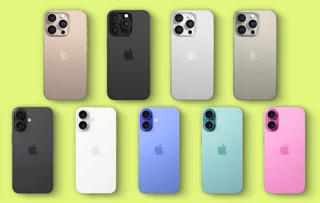
Ngā tauira e wātea ana

Tae

Storage (GB)

Ngā kaute

Te pakari

Both handsets are built for multi-year usage, though they differ slightly in software support timelines and hardware repair accessibility. Users evaluating longevity will find distinct approaches to maintenance and updates between the two brands.

  • Software Support: Both manufacturers provide extensive operating system update timelines spanning multiple years, ensuring long-term access to security patches and new features.
  • Repairability: Both devices feature sealed glass-and-metal construction that typically requires professional assistance for major internal repairs, though component availability has improved.
  • Expected Lifespan: High-capacity internal storage configurations and robust build quality allow both models to maintain reliable day-to-day utility over several years of heavy use.

Te tau i tukuna ai

2025

2024

Foldable

Kāo

Kāo

Te kaha mahi

Handling demanding daily tasks, heavy multitasking, and intensive applications is smooth on both devices, though they achieve this through different hardware configurations. Users will experience responsive app switching and fluid navigation across both platforms.

  • Multitasking: Generous onboard memory allocations on both models allow numerous background applications to remain active without forcing frequent reloads.
  • System Responsiveness: Application loading, web browsing, and high-framerate gaming execute with minimal friction thanks to optimized internal architectures and efficient thermal management.
  • Battery Behavior: Both devices manage typical daily usage effectively, though heavy consumers of streaming media or mobile gaming may find themselves needing a top-up charge by evening.

Te kounga o te mata

Viewing content outdoors and consuming high-definition media are primary strengths for both models, utilizing advanced display technologies to ensure sharp detail and accurate color reproduction.

  • Display Technology: Both devices employ high-refresh-rate organic light-emitting panels that deliver deep black levels, high contrast, and smooth scrolling capabilities.
  • Outdoor Visibility: High peak brightness capabilities ensure that text and images remain legible even under direct sunlight or bright ambient lighting conditions.
  • Viewing Experience: Slim bezels and balanced aspect ratios create immersive viewing spaces suitable for reading, browsing, and watching video content.

Taumira

—

1206 x 2622

Te momo mata

LTPO OLED

LTPO Super Retina XDR OLED

Te ataata me te oro

Capturing everyday moments, low-light scenes, and high-resolution video is straightforward on both handsets, though their imaging pipelines favor slightly different processing styles.

  • Lens Versatility: Multi-sensor rear camera arrays on both devices include wide, ultra-wide, and telephoto lenses to accommodate various framing distances.
  • Video Recording: High-resolution video capture features robust stabilization options and clear audio recording quality for vlogging or home videos.
  • Media Consumption: Stereo speaker setups on both models deliver clear voice reproduction and balanced sound output for casual media playback.

Kāmera matua

—

48 megapixels

Kāmera o mua

—

12 megapixels

Ētahi atu āhuatanga

Practical everyday features such as connectivity standards, physical dimensions, and security sensors dictate how each phone feels in daily handling.

  • Hononga: Both models support modern wireless standards, including fast cellular networks and up-to-date short-range communication protocols.
  • Security and Biometrics: Secure facial recognition or integrated fingerprint sensors provide quick device unlocking and authentication for secure applications.
  • Build and Handling: Durable metal frames paired with treated glass backs offer secure grips, though dimensions and weight distributions vary slightly between the two models.

Taumaha

—

7.02 oz (199 g)

Te rahi o te mata (inihi)

6.3

6.3

Whatunga

5G

5G

Kāri SIM

Physical SIM + eSIM

eSIM

Carrier compatibility

E wātea ana ki ngā whatunga katoa

E wātea ana ki ngā whatunga katoa

Tūhono

USB-C

USB-C (USB 3)

Ngā whakaaro o te hapori

User feedback from online communities highlights strong appreciation for the reliable battery management, bright displays, and versatile camera options found on both the Google Pixel 10 Pro and the iPhone 16 Pro. Common discussions often center around the distinct navigation styles of Android versus iOS, with users noting that personal preference for software ecosystems heavily dictates satisfaction. Some users occasionally mention that intensive processing tasks can lead to warmth during prolonged sessions on either device, though thermal management generally keeps performance stable.

Users who prioritize deep customization, advanced smart assistance integration, and flexible file management will find the Google Pixel 10 Pro well-suited to their daily routines. Conversely, individuals who are deeply invested in Apple's hardware ecosystem and prefer a streamlined, tightly integrated software environment will likely lean toward the iPhone 16 Pro. For buyers seeking a sustainable choice, a quality-assured refurbished option provides an eco-friendly alternative to purchasing new while delivering identical day-to-day functionality. Ultimately, evaluating personal software preferences and preferred ecosystem tools will guide the decision between these two capable devices.


Ā mātou whakataurite hou

WhatsApp