
Compare models
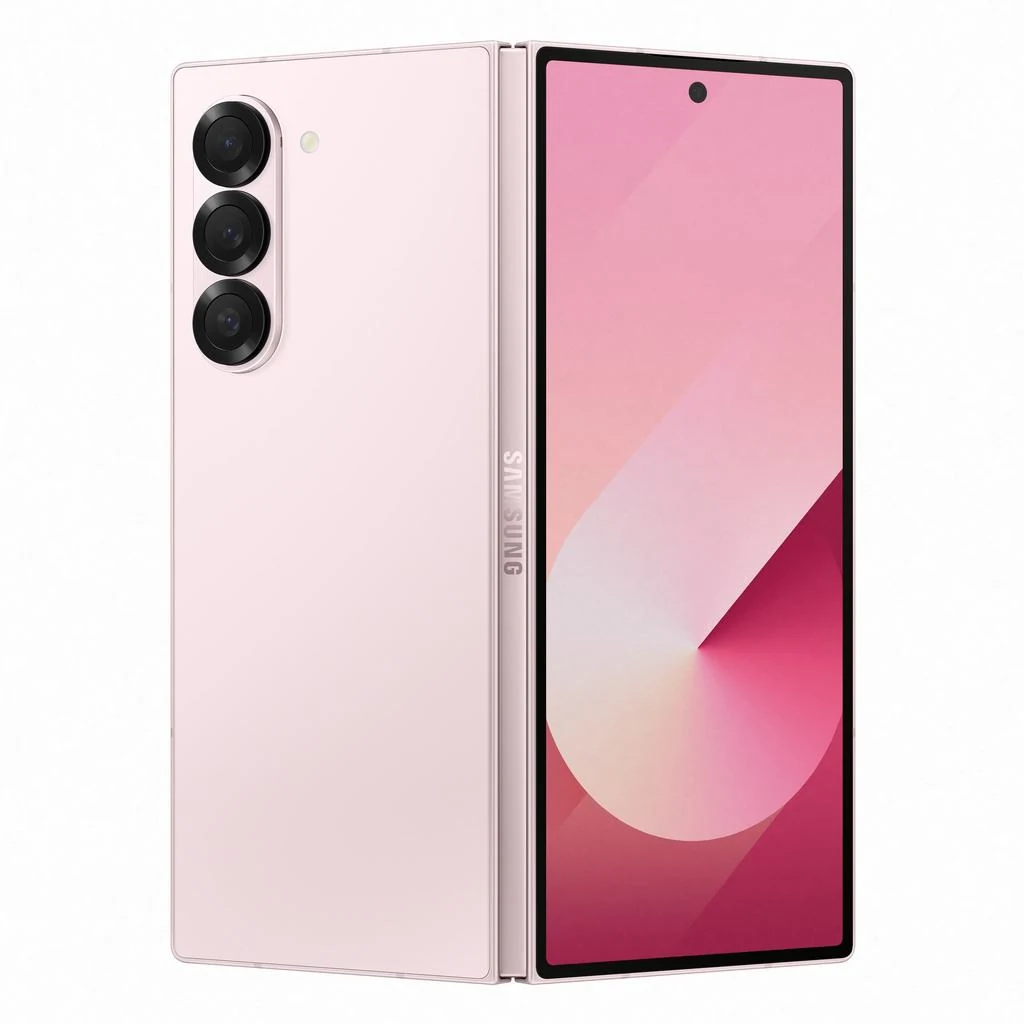
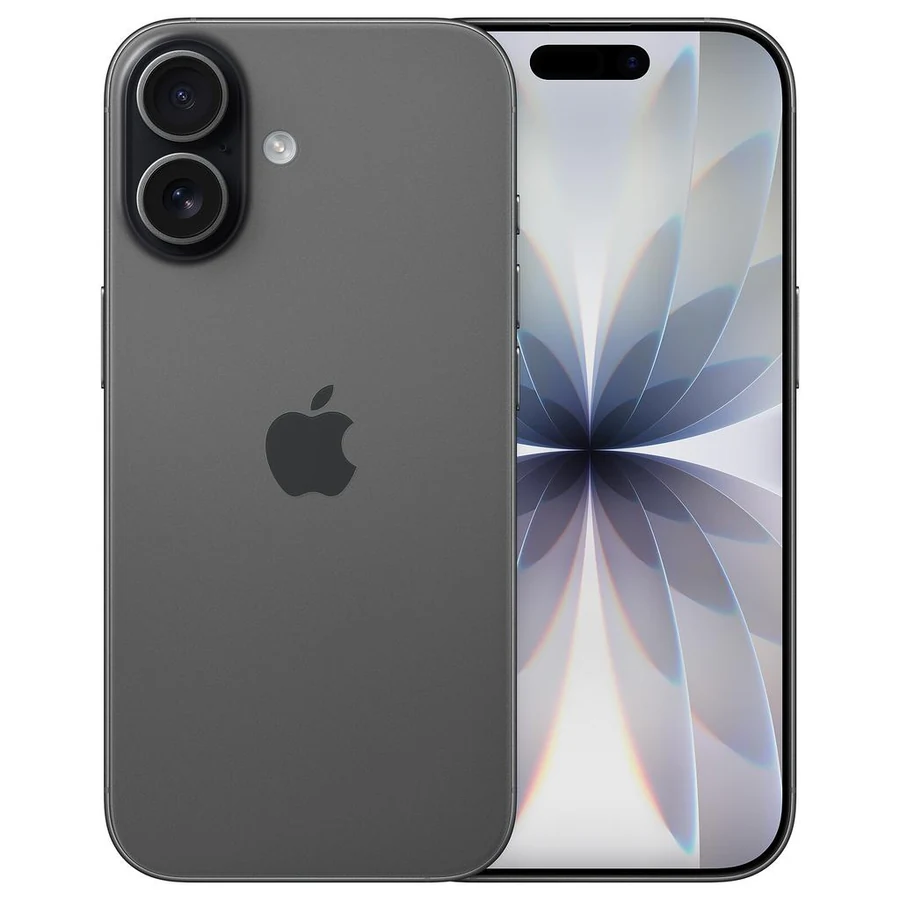
Galaxy Z Fold6 · Débloqué vs iPhone 17 · Débloqué
- Garantie d’un an
- Shipping rates shown at checkout
- Retours sous 14 jours (conditions de renvoi applicables)
Les différences en un coup d’œil
The Samsung Galaxy Z Fold6 (2024) and the iPhone 17 (2025) represent two distinct approaches to modern mobile technology, contrasting an innovative folding design with a refined traditional smartphone form factor. While the Galaxy Z Fold6 offers a versatile dual-screen layout that expands into a tablet-sized workspace, the iPhone 17 focuses on streamlining daily tasks with a traditional slate layout and advanced processing power. Operating on Android and iOS respectively, these devices cater to very different user preferences regarding daily interaction and physical versatility.
Modèles disponibles
Couleur
Storage (GB)
Notes
Durabilité
When evaluating structural longevity and software support, both devices provide long-term reliability through extended manufacturer update commitments and robust physical construction.
- Software support lifecycle: The Samsung Galaxy Z Fold6 benefits from a multi-year update policy covering major operating system upgrades and security patches, while the iPhone 17 follows Apple's established pattern of long-term iOS support extending across many years from its release date.
- Build durability and repairability: The Galaxy Z Fold6 incorporates reinforced hinge mechanisms and scratch-resistant outer glass, though its folding display requires mindful handling. The iPhone 17 features a solid slate structure with advanced drop protection and water-resistance ratings suitable for everyday wear and tear.
- Expected practical lifespan: Both devices are built to handle daily routines for several years, though users choosing a quality-assured refurbished option from RefurbLane can enjoy extended hardware longevity while making a sustainable choice.
Année de sortie
2024
2025
Dernier système compatible
Oui
Oui
Système d’exploitation
Android
iOS
Foldable
Oui
Non
Performances
Underneath their exteriors, both models deliver responsive day-to-day operations, though they manage multitasking and hardware resources differently.
- System responsiveness and multitasking: Both devices handle demanding applications, rapid app switching, and intensive mobile gaming smoothly, ensuring that multitasking remains fluid across heavy workloads without noticeable stuttering.
- Memory and storage configurations: The Galaxy Z Fold6 pairs generous RAM capacity with expansive storage choices scaling up to high tiers, whereas the iPhone 17 utilizes optimized system memory paired with efficient solid-state storage options for rapid file handling.
- Battery behavior: The Galaxy Z Fold6 manages power across dual screens requiring careful monitoring during heavy inner-display use, while the iPhone 17 leverages efficient power management to reliably sustain a full day of typical usage on a single charge.
Qualité de l’écran
Display technology forms a primary differentiator between these two models, impacting how users consume media, read documents, and interact with daily content.
- Display architecture: The Galaxy Z Fold6 features an outer cover display alongside a large, tablet-sized flexible inner screen utilizing vibrant organic light-emitting diode technology. The iPhone 17 employs a single, bright traditional panel with deep contrast and smooth refresh rates for fluid scrolling.
- Outdoor visibility: Both screens reach high peak brightness levels, ensuring clear legibility and vibrant color reproduction even when used under direct sunlight outdoors.
- Visual workspace: The folding device provides an expansive canvas ideal for viewing multiple split-screen applications simultaneously, while the traditional smartphone display offers a streamlined, single-handed viewing experience.
Résolution
1856x2160
2622x1206
Type d’écran
Foldable Dynamic LTPO AMOLED 2X
Super Retina XDR
Image et son
Photography and media capabilities vary to accommodate different recording styles, content creation needs, and everyday snapshot requirements.
- Rear camera versatility: The Galaxy Z Fold6 equips a triple-lens rear system including wide, ultra-wide, and optical zoom options that leverage the folding shape for flexible angles. The iPhone 17 utilizes a dual-lens setup featuring high-resolution main and ultra-wide sensors designed to capture crisp detail and wide scenes effortlessly.
- Video and low-light performance: Both smartphones handle low-light environments effectively through advanced image processing, and record stable, high-definition video suitable for casual recording and memories.
- Audio and media output: Integrated stereo speakers on both models deliver clear sound reproduction for hands-free calls, video playback, and music listening.
Appareil photo principal
50 megapixels
48 megapixels
Caméra avant
4 megapixels
18 megapixels
Autres caractéristiques
Practical daily features, physical dimensions, and connectivity standards dictate how comfortably each device integrates into specific routines.
- Connectivity and ports: Both models support fast wireless standards, modern cellular connectivity networks, and utilize universal USB-C connection ports for charging and data synchronization.
- Security and authentication: The Galaxy Z Fold6 integrates a fingerprint sensor into the side power button alongside facial recognition, while the iPhone 17 relies on secure facial mapping technology built into the display notch area.
- Handling and portability: The iPhone 17 offers a lightweight, thin profile suited for pocket storage and single-handed use, whereas the Galaxy Z Fold6 is heavier and thicker when folded, reflecting the complex engineering required for its folding mechanism.
Poids
8 oz
6.24 oz (177 g)
Diagonale de l’écran (pouces)
7.6
6.3
Réseau
5G
5G
Carte SIM
Physical SIM + eSIM
eSIM
Carrier compatibility
Débloqué
Débloqué
L’avis de la communauté
User feedback highlights distinct preferences for each device across community discussions. Owners of the Galaxy Z Fold6 frequently praise its unmatched multitasking space and the productivity boost of transforming a phone into a mini-tablet, though some note the heavier weight and visible crease on the inner screen. Conversely, iPhone 17 users appreciate its reliable battery endurance, dependable camera system, and comfortable everyday ergonomics, while occasionally missing the expansive canvas of a foldable form factor.
Users prioritizing multitasking efficiency, split-screen workflows, and a large tablet-style display will find the Galaxy Z Fold6 well-suited to their needs. Meanwhile, users prioritizing a lightweight traditional phone layout, dependable all-day battery life, and straightforward everyday handling may lean toward the iPhone 17.