
Compare models

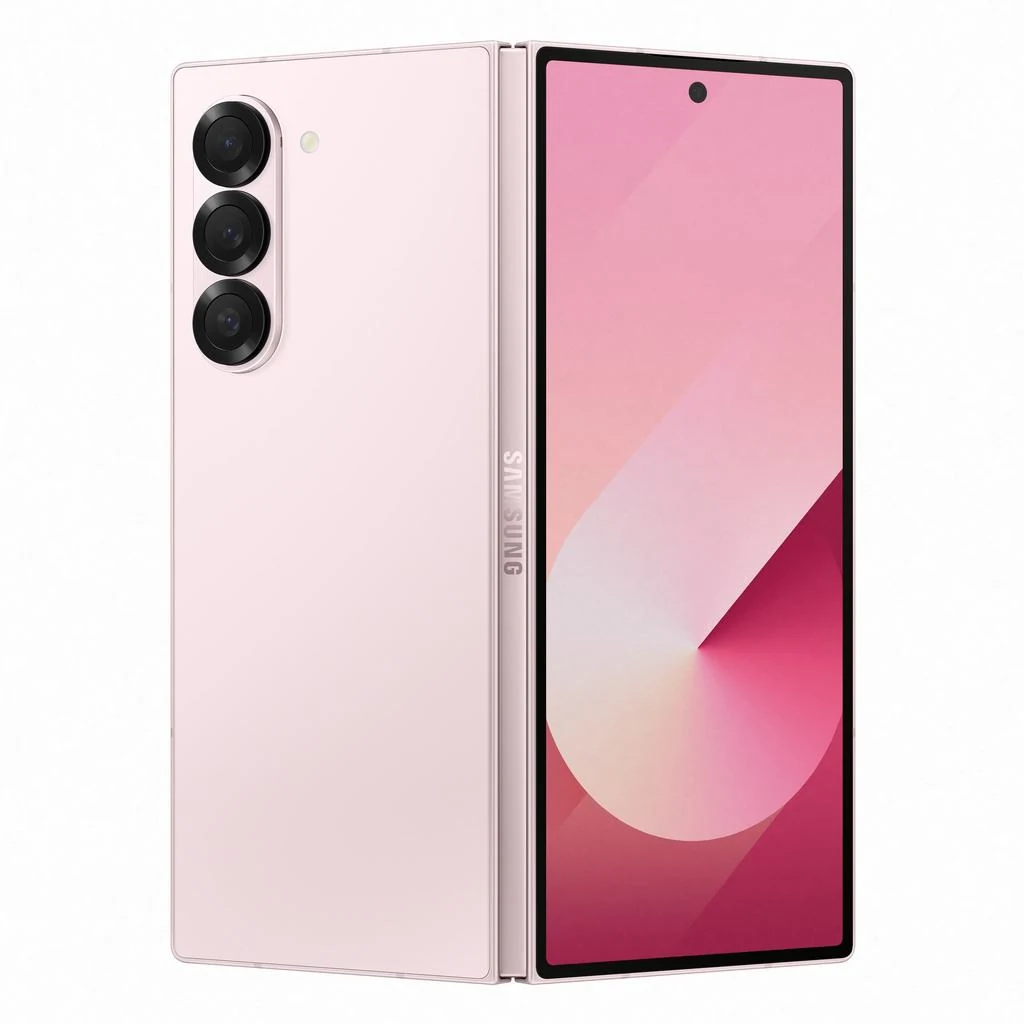
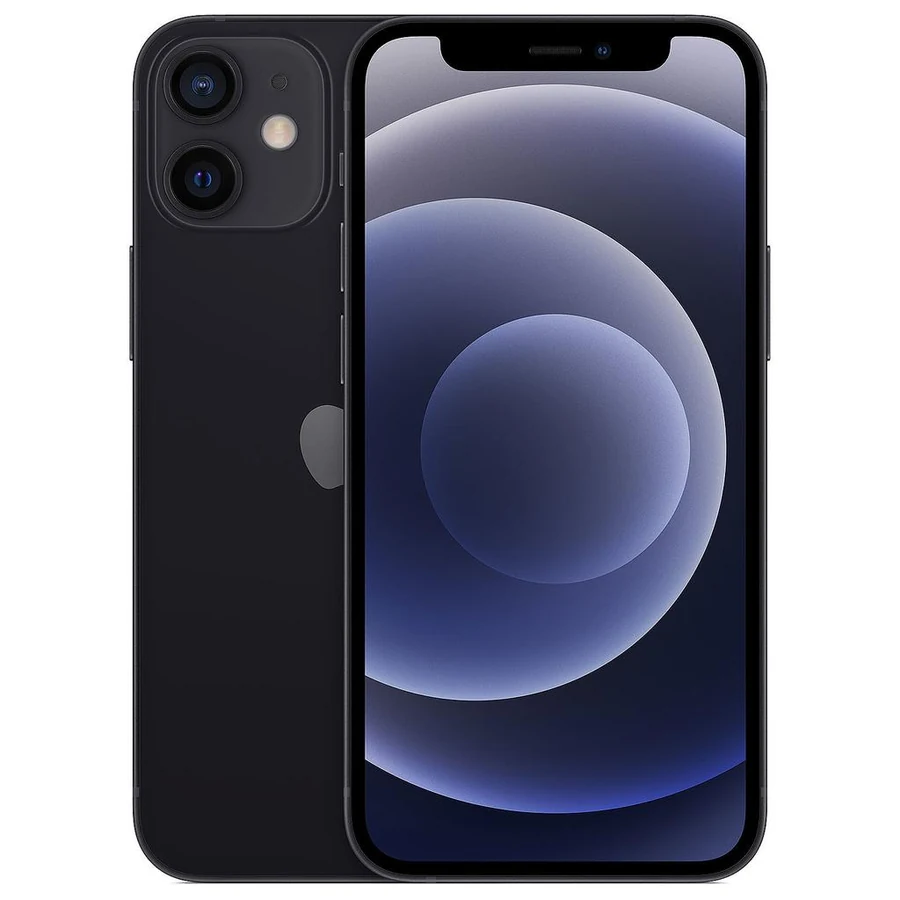
Galaxy Z Fold6 · E wātea ana ki ngā whatunga katoa vs iPhone 12 mini · E wātea ana ki ngā whatunga katoa

  • Pūtāhui kotahi tau
  • Shipping rates shown at checkout
  • Ka taea te whakahoki i roto i ngā rā 14 (ka pā ngā tikanga tuku whakahoki)
Galaxy Z Fold6 · E wātea ana ki ngā whatunga katoa
Mai i

Utu mō te mea kua whakahoungia:USD 215 $

Utu mō te mea hou · USD 2019.99 $

Tirohia ngā kōwhiringa
iPhone 12 mini · E wātea ana ki ngā whatunga katoa
Mai i

Utu mō te mea kua whakahoungia:USD 63 $

Utu mō te mea hou · USD 459 $

Tirohia ngā kōwhiringa

He tirohanga poto ki ngā rerekētanga

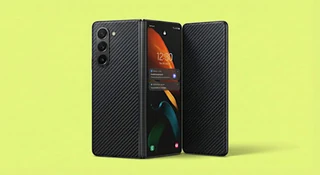
The Samsung Galaxy Z Fold6, a foldable smartphone released in July 2024, and the iPhone 12 Mini, a compact smartphone launched in November 2020, represent distinct approaches to mobile device design. While the Z Fold6 offers a versatile, expansive screen experience with the Android operating system, the iPhone 12 Mini provides a highly portable and traditional smartphone experience powered by iOS. These devices cater to different user preferences, primarily differing in their form factor and overall size.

Ngā tauira e wātea ana

Tae

Storage (GB)

Ngā kaute

Te pakari

The longevity and expected lifespan of a smartphone are influenced by its release timeline, software support, and physical resilience.

  • Release Timeline: The Galaxy Z Fold6, released in July 2024, benefits from a more recent launch, offering a longer period of guaranteed software updates and access to the latest Android features compared to the iPhone 12 Mini, which debuted in November 2020. [1, 2, 6]
  • Software Support: The Z Fold6 is expected to receive several years of major Android and security updates, starting with Android 14 and currently running Android 16. [2, 6] The iPhone 12 Mini, originally on iOS 14.2, is currently running iOS 26.4, demonstrating Apple's commitment to extended software support for its devices, typically spanning 5-6 years from release. [1]
  • Physical Durability: The Galaxy Z Fold6 features an IP48 rating for dust and water resistance, along with Corning Gorilla Glass Victus 2 on its cover screen and back panel, and an improved hinge design. [2, 6, 21, 29, 36] The iPhone 12 Mini boasts a Ceramic Shield front cover and an IP68 rating for water resistance, indicating robust protection against submersion. [1, 5, 15, 18]

Te tau i tukuna ai

2024

2020

Te pūnaha whakahaere hototahi hōu rawa

Āe

Āe

Pūnaha whakahaere

Android

iOS

Foldable

Āe

Kāo

Te kaha mahi

Performance in smartphones is crucial for smooth operation, from daily tasks to demanding applications.

  • Processing Power: The Galaxy Z Fold6 is equipped with a current-generation processor, enabling it to handle intensive multitasking, graphic-heavy gaming, and advanced AI features with efficiency. [2, 6, 10, 12, 21, 22, 25, 29] The iPhone 12 Mini, powered by a processor from 2020, still offers responsive performance for everyday use and many applications, though it may show its age with the most demanding modern software. [7, 11, 15, 16, 20, 27]
  • Multitasking and Storage: With 12 GB of RAM, the Z Fold6 is designed for seamless transitions between numerous applications and complex workflows. [6, 10, 12, 21, 22, 25, 36] The iPhone 12 Mini typically comes with 4 GB of RAM, which is sufficient for general multitasking but less capable of managing a large number of active applications simultaneously. [7, 11, 15, 16, 20] Both devices offer various storage options, with the Z Fold6 extending up to 1 TB and the iPhone 12 Mini up to 256 GB. [6, 10, 11, 12, 15, 16, 20, 21, 22, 25, 27]
  • Battery Behavior: The Galaxy Z Fold6, with its 4400 mAh battery, generally provides a full day of mixed usage, with some users reporting up to 1.5 days, despite powering two large displays. [9, 13, 36, 41, 42] The iPhone 12 Mini, with a 2227 mAh battery, is known for its more modest battery life, often requiring a charge before the end of a heavy usage day. [3, 23, 24, 28, 32]

Te kounga o te mata

The display is a primary interface for smartphone interaction, and both devices offer distinct visual experiences.

  • Display Technology and Size: The Galaxy Z Fold6 features two Dynamic AMOLED 2X displays: a large 7.6-inch foldable main screen and a 6.3-inch cover screen, both offering vibrant colors and deep blacks. [2, 6, 10, 12, 21, 22, 25, 33, 35] The iPhone 12 Mini has a single 5.4-inch Super Retina XDR OLED display, known for its excellent color accuracy and contrast in a compact form factor. [1, 4, 5, 11, 16, 18, 20]
  • Resolution and Clarity: The Z Fold6's main display offers a resolution of 2160 x 1856 pixels, while its cover screen is 2376 x 968 pixels, providing sharp visuals across both. [2, 6, 10, 12, 21, 22, 25, 33, 35] The iPhone 12 Mini's 2340 x 1080 pixel resolution on its 5.4-inch screen results in a high pixel density of 476 ppi, delivering very clear and detailed images. [1, 4, 5, 11, 16, 18, 20]
  • Brightness and Smoothness: Both displays on the Z Fold6 offer an adaptive 120Hz refresh rate for smooth scrolling and animations, with a peak brightness of 2600 nits for excellent outdoor visibility. [2, 6, 21, 22, 33, 38, 39] The iPhone 12 Mini has a standard 60Hz refresh rate, with a typical brightness of 625 nits and a peak HDR brightness of 1200 nits, providing good visibility in most conditions. [1, 4, 18, 20]

Taumira

1856x2160

1080 x 2340

Te momo mata

Foldable Dynamic LTPO AMOLED 2X

Super Retina XDR OLED

Te ataata me te oro

Camera capabilities are a significant factor for many users, and these devices offer different photographic strengths.

  • Rear Camera Systems: The Galaxy Z Fold6 features a versatile triple-camera setup on the rear, including a 50 MP main sensor, a 12 MP ultrawide lens, and a 10 MP telephoto lens with 3x optical zoom, offering flexibility for various shooting scenarios. [14, 21, 22, 25, 36, 37] The iPhone 12 Mini comes with a dual-camera system, comprising a 12 MP main wide lens and a 12 MP ultrawide lens, known for consistent image quality. [15, 17, 23]
  • Photography Performance: The Z Fold6's camera system is praised for its wide dynamic range, good exposure, and effective video stabilization, with its main camera performing well in typical situations. [14, 19, 30] The iPhone 12 Mini's cameras deliver excellent photos with good detail and improved low-light performance over previous models, with Night mode available on all cameras. [3, 15, 17, 23, 26]
  • Video Recording and Front Cameras: Both devices are capable of high-quality video recording, with the Z Fold6 supporting 8K at 30fps and 4K at 60fps, and the iPhone 12 Mini offering 4K at 60fps with Dolby Vision HDR. [14, 15, 17, 21, 23, 37] The Z Fold6 has a 10 MP cover camera and a 4 MP under-display camera, while the iPhone 12 Mini features a 12 MP front-facing camera. [12, 14, 15, 21, 22, 23, 25, 37]

Kāmera matua

50 megapixels

12 megapixels

Kāmera o mua

4 megapixels

12 megapixels

Ētahi atu āhuatanga

Beyond core features, several practical elements contribute to the overall user experience.

  • Connectivity and Ports: Both devices support 5G cellular communications. [1, 5, 16, 18, 34, 36] The Galaxy Z Fold6 includes Wi-Fi 6E, Bluetooth 5.3, and a USB-C port. [10, 13, 21, 36] The iPhone 12 Mini features Wi-Fi 6, Bluetooth 5.0, and utilizes a Lightning port, also supporting MagSafe for magnetic accessories and charging. [1, 15, 16, 18]
  • Dimensions and Handling: The Z Fold6 is a larger and heavier device, weighing 239 g, with folded dimensions of 153.5 x 68.1 x 12.1 mm, offering a substantial feel and a large screen when unfolded. [2, 6, 10, 12, 21, 22, 36] The iPhone 12 Mini is significantly more compact and lighter at 133-135 g, with dimensions of 131.5 x 64.2 x 7.4 mm, making it ideal for one-handed use and easy pocketability. [1, 4, 8, 15, 16, 20, 27, 34]
  • Additional Features: The Galaxy Z Fold6 supports S Pen input, though without a built-in slot, and includes a side-mounted fingerprint sensor. [2, 12, 22, 36] The iPhone 12 Mini relies on Face ID for biometric authentication.

Taumaha

8 oz

5 oz

Te rahi o te mata (inihi)

7.6

5.4

Whatunga

5G

5G

Kāri SIM

Physical SIM + eSIM

Physical SIM + eSIM

Carrier compatibility

E wātea ana ki ngā whatunga katoa

E wātea ana ki ngā whatunga katoa

Ngā whakaaro o te hapori

The Samsung Galaxy Z Fold6 and iPhone 12 Mini cater to fundamentally different user needs and preferences. Users often praise the Z Fold6 for its innovative foldable design, offering a large, immersive display for productivity and media consumption, effectively combining a smartphone and a tablet experience. Its powerful performance and versatile camera system are also frequently highlighted. However, some users note its bulkier form factor when folded and the inherent compromise in camera quality compared to traditional slab flagships. [14, 37]

Conversely, the iPhone 12 Mini is consistently lauded for its exceptionally compact size, making it comfortable for one-handed use and highly portable. Its strong performance for its size and capable camera system are also common points of praise. The most frequent criticism leveled against the iPhone 12 Mini is its battery life, which many users find insufficient for a full day of heavy use. [23, 24, 28, 32]

Users prioritizing a large, adaptable screen for multitasking, content creation, or immersive media will find the Galaxy Z Fold6 well-suited to their needs. Its cutting-edge technology and expansive display offer a unique mobile experience. On the other hand, individuals who value extreme portability, ease of one-handed operation, and a familiar iOS ecosystem will likely prefer the iPhone 12 Mini. It remains an excellent choice for those seeking a powerful smartphone in a small package, provided they are mindful of its battery capacity.

For those considering either device, exploring quality-assured refurbished options can be an eco-friendly alternative to purchasing new, offering a sustainable choice without compromising on functionality.

Ā mātou whakataurite hou

WhatsApp