
Compare models
Galaxy Z Fold4 · Débloqué vs iPhone 17 Pro · Débloqué
- Garantie d’un an
- Shipping rates shown at checkout
- Retours sous 14 jours (conditions de renvoi applicables)
Les différences en un coup d’œil
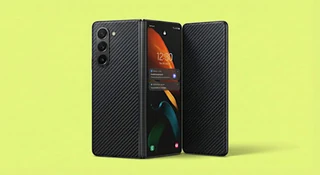
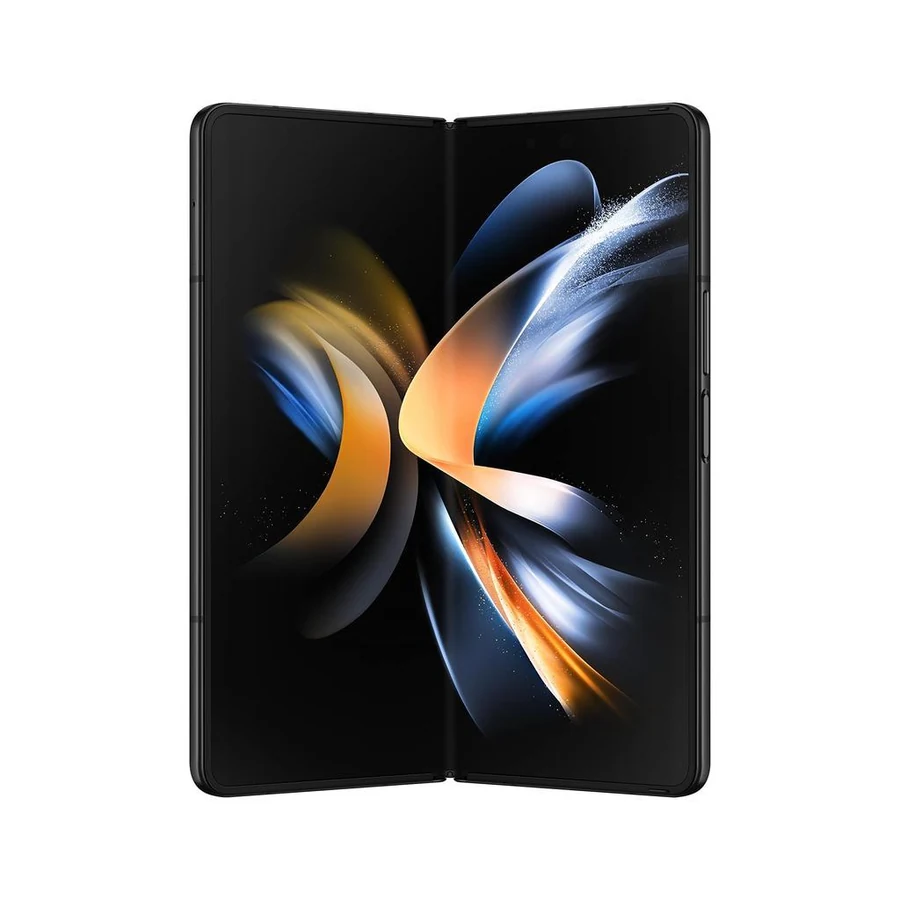
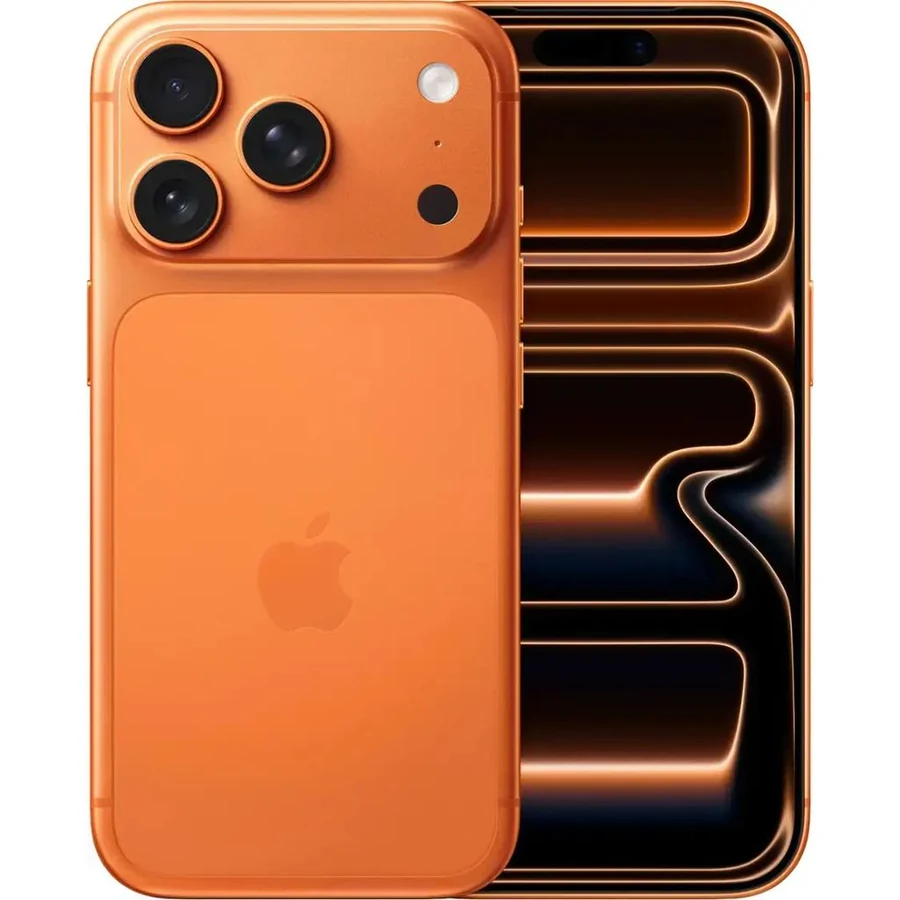
The Samsung Galaxy Z Fold4 (2022) and the Apple iPhone 17 Pro (2025) represent two fundamentally distinct philosophies in mobile device engineering: a multitasking foldable tablet-phone hybrid versus a traditional, highly refined flagship slate. While they occupy different form factors and run on separate operating systems, both target users seeking high-end portable computing. The primary differentiators lie in the Galaxy Z Fold4's dual-screen unfolding capability versus the iPhone 17 Pro's conventional candybar design, single-plate glass-and-aluminum build, and distinct software ecosystem.
Modèles disponibles
Couleur
Storage (GB)
Notes
Durabilité
Evaluating durability requires looking at device age, software support timelines, and structural design factors that affect how long each phone remains practical for daily use.
- Release timeline and software support: The Galaxy Z Fold4 arrived in 2022 and runs on Android, receiving regular security updates and major platform upgrades. The iPhone 17 Pro launched in 2025, operating on iOS with Apple's standard multi-year support window, giving the Apple device a longer remaining window for official software updates.
- Repairability and physical wear: Traditional slate phones like the iPhone 17 Pro generally feature simpler structural mechanics compared to folding devices, which experience mechanical stress along the central hinge and flexible internal screen over time.
- Expected practical lifespan: Users who prioritize maximum software longevity and conventional structural simplicity will find the newer iPhone model aligns with extended update timelines, whereas the Galaxy Z Fold4 relies on careful handling of its complex folding components.
Année de sortie
2022
2025
Dernier système compatible
Oui
Oui
Système d’exploitation
Android
iOS
Foldable
Oui
Non
Performances
System performance and efficiency govern how smoothly each device handles demanding workloads, background multitasking, and daily application usage.
- Everyday speed and multitasking: Both devices manage intensive applications, split-screen workflows, and demanding mobile games without stuttering, leveraging high-end internal processors and generous RAM configurations.
- Storage capacity configurations: The Galaxy Z Fold4 typically starts with ample baseline storage suited for diverse media libraries, while the iPhone 17 Pro begins with larger entry-level storage tiers to accommodate high-resolution files and extensive app data.
- Battery behavior in daily routines: The iPhone 17 Pro benefits from efficient power management that sustains a full day of varied use under heavy workloads, whereas the Galaxy Z Fold4's larger unfolding screen consumes additional power when operating in tablet mode, potentially requiring more frequent charging during extensive media consumption.
Qualité de l’écran
Display characteristics define the visual experience, offering contrasting approaches to screen estate, viewing areas, and panel adaptability.
- Display technology and panels: The Galaxy Z Fold4 utilizes a foldable internal OLED screen that expands into a tablet-sized workspace alongside a narrower cover screen for quick tasks. The iPhone 17 Pro features a fixed, high-clarity OLED panel equipped with an adaptive high refresh rate for fluid scrolling and animations.
- Brightness and outdoor visibility: Both screens deliver deep contrast and vivid color reproduction, though newer flagship glass panels incorporate elevated outdoor peak brightness levels to maintain legibility under direct sunlight.
- Viewing experience: The Galaxy Z Fold4 prioritizes expansive multitasking and multi-window views on its large canvas, whereas the iPhone 17 Pro focuses on a vibrant, standardized viewing rectangle optimized for one-handed reach and traditional media playback.
Résolution
1812 x 2176
2622x1206
Type d’écran
Foldable Dynamic AMOLED 2X
Super Retina XDR
Image et son
Optics and audio systems shape how well each phone captures memories, records video, and reproduces sound during media playback.
- Camera system capabilities: The Galaxy Z Fold4 incorporates a versatile triple-lens setup including standard, ultra-wide, and telephoto options. The iPhone 17 Pro deploys high-resolution multi-lens configurations backed by advanced image processing pipelines to handle low-light environments and detailed zoom ranges.
- Video recording performance: Apple devices traditionally offer steady stabilization and extensive pro-grade video formatting tools, while Samsung provides robust manual controls and flexible shooting angles enabled by the folding physical chassis.
- Audio and media output: Both models utilize stereo speaker arrangements that deliver clear vocal reproduction and balanced sound output for casual video viewing or phone calls.
Appareil photo principal
50 megapixels
48 megapixels
Caméra avant
4 megapixels
18 megapixels
Autres caractéristiques
Practical daily features, connectivity standards, and physical ergonomics influence how comfortable each phone feels to carry and use.
- Connectivity and ports: Both smartphones support modern 5G cellular networks, high-speed Wi-Fi standards, and Bluetooth accessories, utilizing distinct physical connector ports for charging and data transfer.
- Physical dimensions and handling: The Galaxy Z Fold4 is heavier and thicker when folded due to its hinge architecture, making it feel substantial in the pocket. The iPhone 17 Pro adopts a lighter, uniform unibody structure that rests comfortably in standard pockets and single-handed grips.
- Security and authentication: Samsung integrates biometric sensors into physical side keys, while Apple relies on facial recognition technology housed within the upper display cutout.
Poids
9.28 oz (263 g)
Not available
Diagonale de l’écran (pouces)
7.6
6.3
Réseau
5G
5G
Carte SIM
Physical SIM + eSIM
eSIM
Carrier compatibility
Débloqué
Débloqué
L’avis de la communauté
User feedback from online communities highlights distinct preference patterns for each device. Owners of the Galaxy Z Fold4 frequently praise its innovative multitasking environment, noting that the expandable screen transforms reading, document editing, and multi-app workflows. At the same time, some users mention concerns regarding the visible crease on the inner screen and the heavier pocket weight. Conversely, iPhone 17 Pro users frequently commend the reliable battery efficiency, robust build quality, and fluid system response, though some find the traditional slate layout less versatile for split-screen productivity.
Users prioritizing expansive screen space for productivity and document management may prefer the Galaxy Z Fold4, while users prioritizing long-term software support, traditional pocket ergonomics, and streamlined photography may lean toward the iPhone 17 Pro. For those considering a quality-assured refurbished option as an eco-friendly alternative, both models are frequently available through sustainable channels that extend device lifecycles. Choosing between them ultimately depends on whether a folding workspace or a conventional flagship experience better matches daily habits.