
Compare models

Galaxy Z Flip7 · E wātea ana ki ngā whatunga katoa vs iPhone SE (2022) · E wātea ana ki ngā whatunga katoa

  • Pūtāhui kotahi tau
  • Shipping rates shown at checkout
  • Ka taea te whakahoki i roto i ngā rā 14 (ka pā ngā tikanga tuku whakahoki)
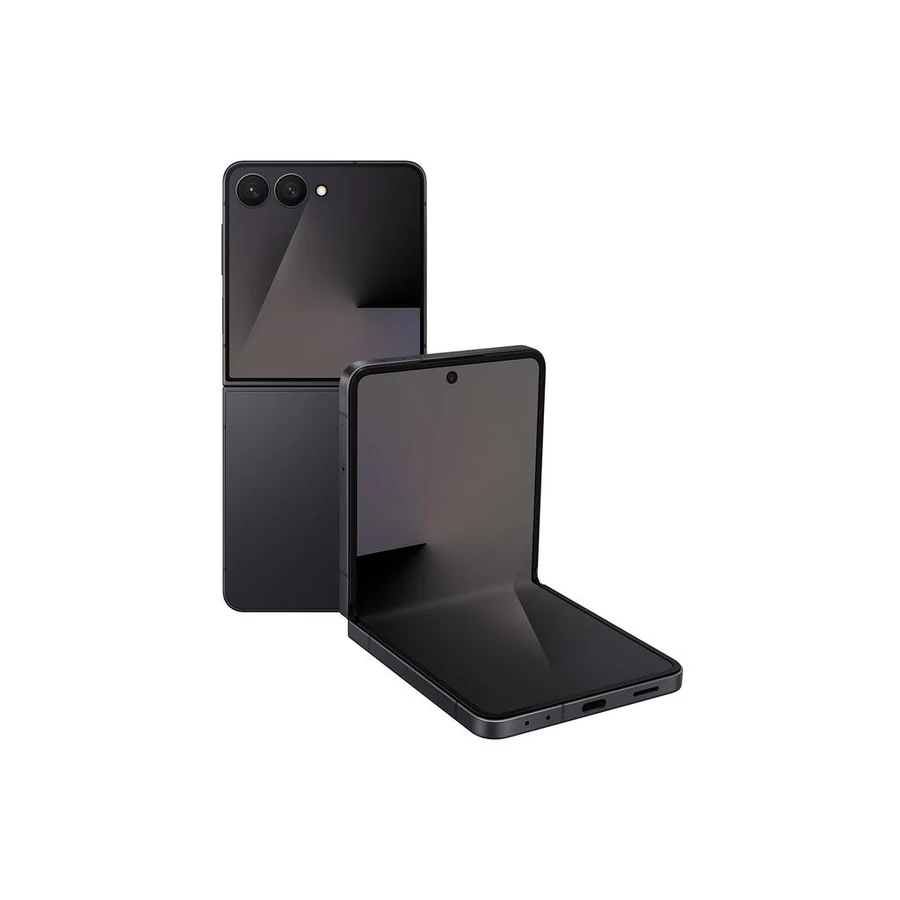
Galaxy Z Flip7 · E wātea ana ki ngā whatunga katoa
Mai i

Utu mō te mea kua whakahoungia:USD 203 $

Utu mō te mea hou · USD 999 $

Tirohia ngā kōwhiringa
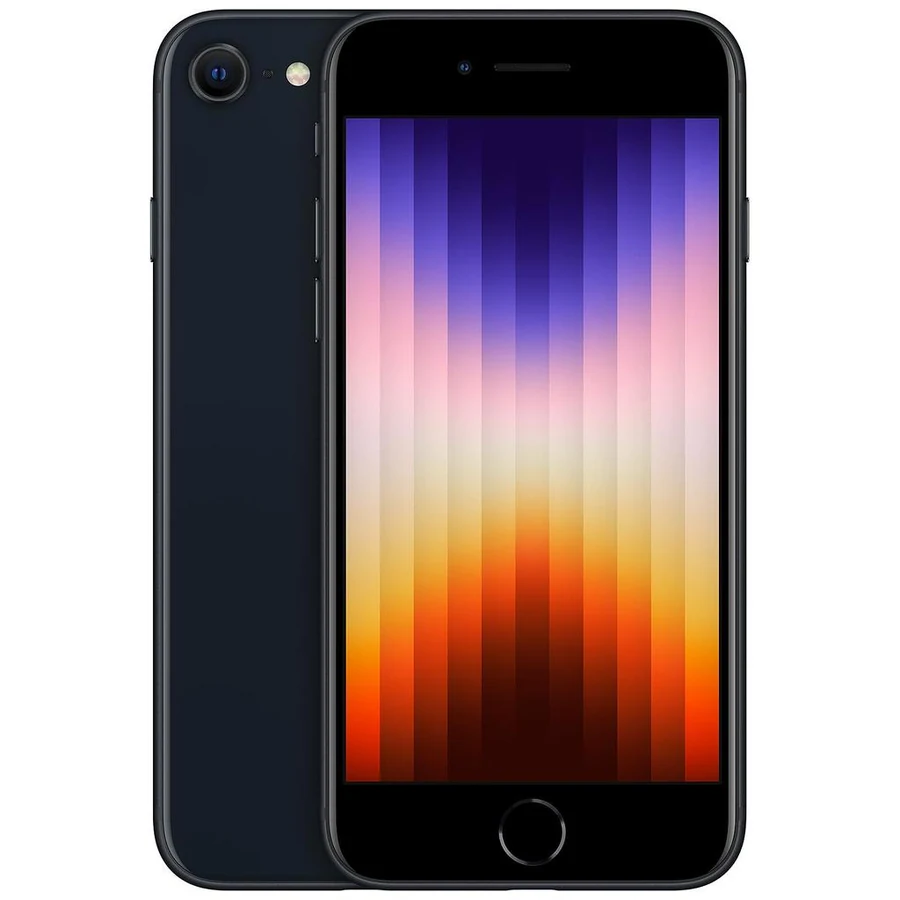
iPhone SE (2022) · E wātea ana ki ngā whatunga katoa
Mai i

Utu mō te mea kua whakahoungia:USD 45 $

Utu mō te mea hou · USD 429 $

Tirohia ngā kōwhiringa

He tirohanga poto ki ngā rerekētanga

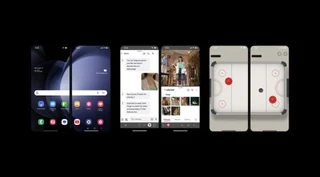
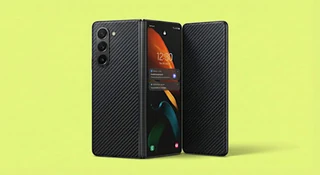
The Samsung Galaxy Z Flip7 (2025) and the Apple iPhone SE (2022) represent two completely distinct approaches to smartphone design and user experience. The Galaxy Z Flip7 features a modern foldable clamshell form factor running Android, while the iPhone SE utilizes a traditional compact body design powered by iOS. These devices cater to different preferences in everyday handling, display capability, and software ecosystems.

Ngā tauira e wātea ana

Tae

Storage (GB)

Ngā kaute

Te pakari

When evaluating structural longevity and software support, these two models follow very different timelines due to their respective release years and engineering designs.

  • Release timeline and support: The Galaxy Z Flip7 launched in 2025 with an extensive software update commitment, whereas the iPhone SE arrived in 2022 and relies on a mature support lifecycle.
  • Hardware durability: The Galaxy Z Flip7 incorporates a folding display mechanism and advanced hinge engineering, while the iPhone SE uses a classic glass-and-aluminum slab construction with a physical home button.
  • Practical lifespan: Users can expect modern software compatibility to extend further on the newer folding device, while the older conventional model offers simpler structural maintenance.

Te tau i tukuna ai

2025

2022

Te pūnaha whakahaere hototahi hōu rawa

Āe

Āe

Pūnaha whakahaere

Android

iOS

Foldable

Āe

Kāo

Te kaha mahi

Daily operation and hardware capability differ substantially, driven by variations in system memory, multitasking architecture, and internal processing power.

  • System responsiveness: Both devices handle daily applications, web browsing, and messaging smoothly, though the newer processor in the foldable model allows for more demanding multitasking and sustained gaming sessions.
  • Memory and storage: The Galaxy Z Flip7 provides generous baseline storage and higher random access memory capacity, whereas the iPhone SE offers more modest configurations suited for lighter workloads.
  • Battery behavior: The larger physical footprint of the foldable device accommodates a higher-capacity battery designed to last through a full day of mixed use, while the compact iPhone requires more frequent recharging during heavy usage periods.

Te kounga o te mata

Visual output and display interaction highlight the most prominent physical contrast between a flexible modern screen and a traditional compact panel.

  • Display technology: The Galaxy Z Flip7 features a large folding OLED panel complemented by an expansive exterior cover screen, while the iPhone SE utilizes a smaller traditional LCD screen with classic bezels.
  • Outdoor visibility: High peak brightness levels on the foldable main screen ensure clear legibility under bright sunlight, whereas the traditional display offers adequate clarity for standard indoor environments.
  • Visual fluidity: The folding display supports a fast refresh rate for smooth scrolling and animations, contrasting with the standard refresh rate found on the conventional model.

Taumira

—

750 x 1334

Te momo mata

Foldable Dynamic LTPO AMOLED 2X

Retina IPS LCD

Te ataata me te oro

Optics and media playback capabilities vary to match the distinct design philosophies and target audiences of each smartphone.

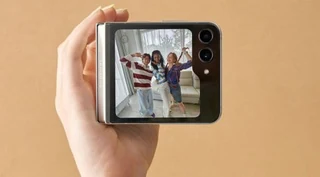
  • Camera systems: The Galaxy Z Flip7 equips a versatile dual-lens rear setup alongside flexible folding angles for self-portraits, whereas the iPhone SE features a single rear camera paired with computational image processing.
  • Low-light performance: The modern sensor hardware on the foldable device captures brighter details in dim environments, while the older single-lens setup performs best in standard daylight conditions.
  • Media consumption: Stereo speakers and an expansive edge-to-edge screen provide an immersive viewing experience on the foldable model, while the compact device delivers traditional audio output suited for basic calls and short videos.

Ētahi atu āhuatanga

Connectivity standards, physical dimensions, and security authentication methods define the practical day-to-day handling experience of each device.

  • Connectivity and ports: The Galaxy Z Flip7 relies on modern USB-C connectivity and advanced wireless standards, while the iPhone SE utilizes the traditional Lightning connector interface.
  • Security features: The foldable model uses facial recognition and an integrated fingerprint scanner, whereas the classic device depends exclusively on a physical Touch ID home button.
  • Handling and dimensions: Folding in half allows the Z Flip7 to fit easily into smaller pockets despite its tall screen, while the iPhone SE maintains a lightweight, pocket-friendly slab footprint.

Taumaha

—

5.08 oz (144 g)

Te rahi o te mata (inihi)

6.9

4.7

Whatunga

5G

5G

Kāri SIM

Physical SIM + eSIM

Physical SIM + eSIM

Carrier compatibility

E wātea ana ki ngā whatunga katoa

E wātea ana ki ngā whatunga katoa

Tūhono

USB-C

Lightning

Ngā whakaaro o te hapori

Choosing between these two smartphones depends heavily on personal preferences regarding form factor, operating system ecosystems, and hardware modernity. Users who prioritize a large immersive display, advanced multitasking capability, and a compact folded pocket size often lean toward the Galaxy Z Flip7. Conversely, users who prefer a familiar physical home button, a lightweight traditional slab design, and the iOS environment frequently find the iPhone SE (2022) well-suited to their needs.

For consumers seeking a sustainable choice, opting for a quality-assured refurbished option from RefurbLane provides a reliable way to acquire either device while minimizing environmental impact. Ultimately, evaluating whether a foldable screen or a traditional compact layout better fits your daily routine will guide your final decision.

WhatsApp