
Compare models

Galaxy Z Flip7 · E wātea ana ki ngā whatunga katoa vs iPhone 16e · E wātea ana ki ngā whatunga katoa

  • Pūtāhui kotahi tau
  • Shipping rates shown at checkout
  • Ka taea te whakahoki i roto i ngā rā 14 (ka pā ngā tikanga tuku whakahoki)
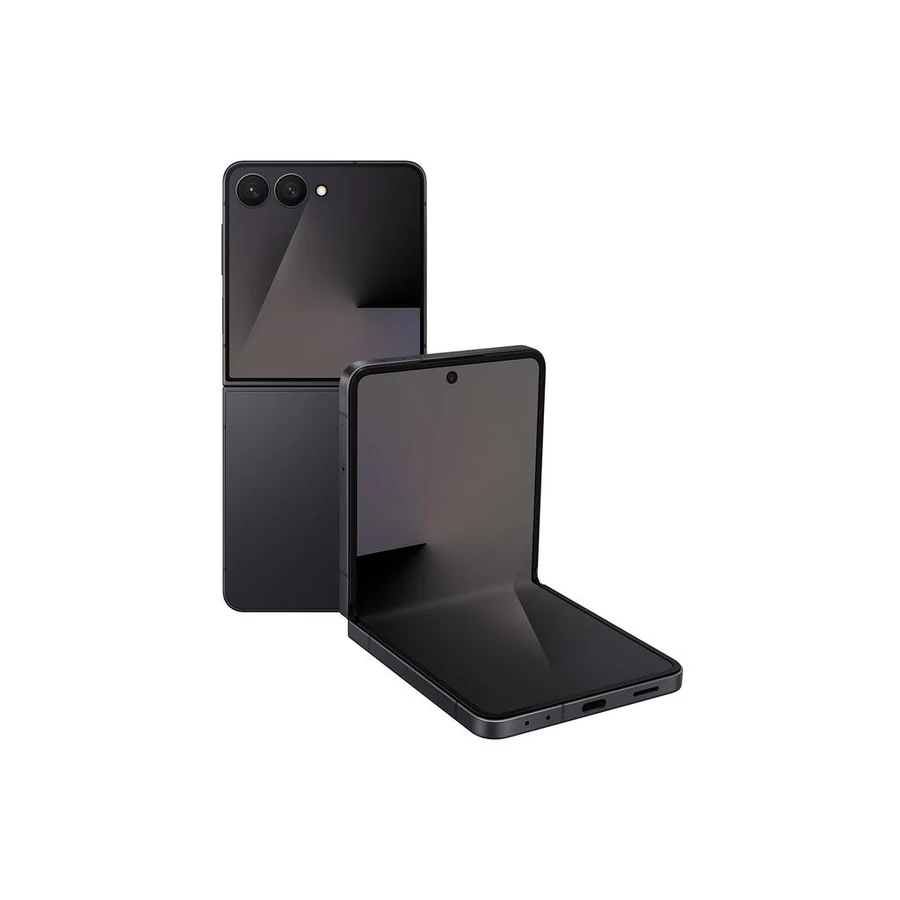
Galaxy Z Flip7 · E wātea ana ki ngā whatunga katoa
Mai i

Utu mō te mea kua whakahoungia:USD 203 $

Utu mō te mea hou · USD 999 $

Tirohia ngā kōwhiringa
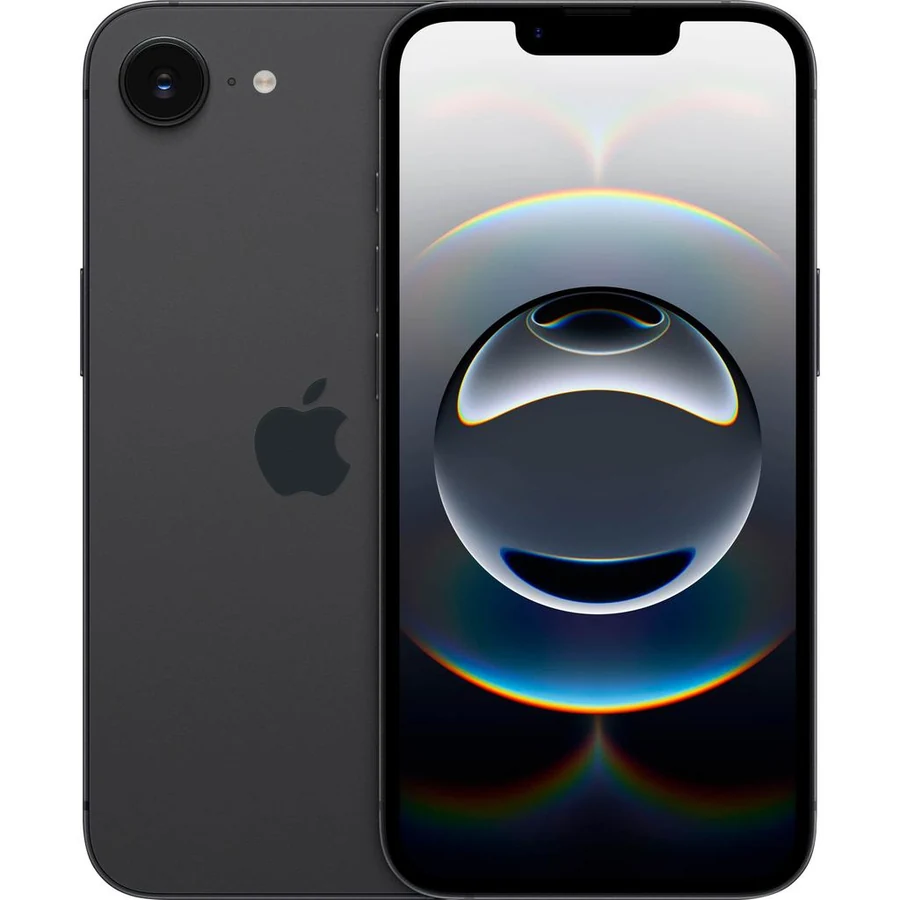
iPhone 16e · E wātea ana ki ngā whatunga katoa
Mai i

Utu mō te mea kua whakahoungia:USD 153 $

Utu mō te mea hou · USD 599 $

Tirohia ngā kōwhiringa

He tirohanga poto ki ngā rerekētanga

The Samsung Galaxy Z Flip7 (2025) and the Apple iPhone 16e (2025) represent two distinct approaches to modern mobile design, pairing cutting-edge internal capabilities with entirely different hardware form factors. While the Galaxy Z Flip7 introduces a flexible, clamshell-style folding mechanism with an expanded cover display, the iPhone 16e relies on a traditional slate build running iOS alongside a mainstream single-lens camera layout. Choosing between these two devices depends heavily on whether you prefer a compact folding layout or a classic smartphone experience.

Ngā tauira e wātea ana

Tae

Storage (GB)

Ngā kaute

Te pakari

Both smartphones launched in early to mid-2025, offering modern software support cycles designed to last for several years of daily operation.

  • Software Lifespan: The iPhone 16e benefits from Apple's long-standing update schedule, ensuring consistent operating system upgrades and security patches for an extended period. The Galaxy Z Flip7 features multi-year Android and security updates, matching standard flagship longevity expectations.
  • Hardware Durability: The iPhone 16e utilizes a rigid aluminum and glass frame with robust water resistance ratings. Conversely, the Galaxy Z Flip7 incorporates folding glass technology and a hinge mechanism that requires mindful handling over years of frequent opening and closing.
  • Repairability: Traditional slate devices like the iPhone 16e generally offer simpler pathways for component replacements, whereas foldable displays on the Galaxy Z Flip7 require specialized manufacturer maintenance services.

Te tau i tukuna ai

2025

2025

Pūnaha whakahaere

Android

iOS

Foldable

Āe

Kāo

Te kaha mahi

Powered by contemporary processing hardware, both devices handle routine multitasking, communication apps, and demanding mobile games with dependable speed and fluid responsiveness.

  • Multitasking and Memory: The Galaxy Z Flip7 comes equipped with generous system memory to support split-screen views and intensive background operations, while the iPhone 16e pairs optimized software architecture with ample RAM for seamless app switching.
  • Rokiroki: Both devices are available in multiple tier configurations starting at generous baselines, accommodating large photo libraries, downloaded media, and offline documents without frequent cleanups.
  • Battery Behavior: The iPhone 16e manages power efficiently to reliably clear a standard day of mixed use. The Galaxy Z Flip7 houses a split battery arrangement designed to sustain standard daily routines, though heavy utilization of its outer screen may require occasional top-ups before evening.

Te kounga o te mata

Display technology represents one of the most substantial differences between these two devices, impacting outdoor visibility and media consumption.

  • Display Technology: The iPhone 16e features a bright, fixed OLED panel with sharp contrast and deep black levels. The Galaxy Z Flip7 utilizes a flexible inner OLED panel that folds in half alongside an expansive outer cover screen for quick widgets and notifications.
  • Refresh Rates and Fluidity: The Galaxy Z Flip7 supports a high refresh rate for smooth scrolling animations, whereas the iPhone 16e maintains a standard refresh rate suitable for everyday navigation.
  • Outdoor Brightness: Both screens feature high peak brightness modes that maintain legibility under direct sunlight, though reflective glare can occasionally impact foldable plastic-polymer protective layers more than traditional glass.

Taumira

—

2532x1170

Te momo mata

Foldable Dynamic LTPO AMOLED 2X

Super Retina XDR

Te ataata me te oro

Imaging capabilities cater to everyday photography and video recording, though lens configurations and software processing yield distinct visual results.

  • Rear Camera Systems: The iPhone 16e employs a high-resolution primary wide lens with digital zoom capabilities, while the Galaxy Z Flip7 features a dual-lens setup combining a primary wide sensor with an ultra-wide option for broader landscapes.
  • Versatility and Framing: The folding design of the Galaxy Z Flip7 allows it to act as its own tripod, enabling stable self-portraits and creative low-angle shots without accessories. The iPhone 16e relies on classic handheld stability.
  • Video and Audio Output: Both devices capture crisp high-definition video with effective stabilization, complemented by clear built-in stereo speakers suitable for hands-free calls and casual media streaming.

Ētahi atu āhuatanga

Practical everyday features, physical dimensions, and connectivity standards shape how each device fits into daily routines.

  • Build and Handling: The iPhone 16e offers a lightweight, pocket-friendly profile with traditional ergonomic edges. The Galaxy Z Flip7 is taller when open but folds down into a compact square that fits easily into small pockets or bags.
  • Connectivity and Ports: Both models support rapid 5G cellular networks, modern Wi-Fi standards, and Bluetooth connections, utilizing reversible USB-C ports for charging and data transfers.
  • Biometric Security: The iPhone 16e uses facial recognition technology, whereas the Galaxy Z Flip7 incorporates a side-mounted fingerprint sensor integrated into the power button alongside facial scanning options.

Taumaha

—

5.89 oz (167 g)

Te rahi o te mata (inihi)

6.9

6.1

Whatunga

5G

5G

Kāri SIM

Physical SIM + eSIM

eSIM

Carrier compatibility

E wātea ana ki ngā whatunga katoa

E wātea ana ki ngā whatunga katoa

Tūhono

USB-C

USB-C

Ngā whakaaro o te hapori

User feedback from community discussions highlights distinct preferences for each device model. Owners of the iPhone 16e frequently praise its dependable battery longevity, straightforward operating system, and comfortable one-handed ergonomics. Conversely, users gravitate toward the Galaxy Z Flip7 for its innovative folding format, pocketable closed footprint, and versatile hands-free framing capabilities.

When deciding between these options, users prioritizing a compact pocket footprint, split-screen multitasking, and creative folding angles may prefer the Galaxy Z Flip7. Meanwhile, users prioritizing a classic lightweight slate build, streamlined software simplicity, and traditional durability often lean toward the iPhone 16e. For shoppers exploring sustainable technology acquisition, choosing a quality-assured refurbished option provides an eco-friendly alternative that reduces electronic waste while delivering fully tested performance. Ultimately, your choice depends entirely on whether a flexible folding screen or a conventional smartphone layout best supports your daily habits.

Ā mātou whakataurite hou

WhatsApp