
Compare models

Galaxy Z Flip7 · E wātea ana ki ngā whatunga katoa vs iPhone 15 · E wātea ana ki ngā whatunga katoa

  • Pūtāhui kotahi tau
  • Shipping rates shown at checkout
  • Ka taea te whakahoki i roto i ngā rā 14 (ka pā ngā tikanga tuku whakahoki)
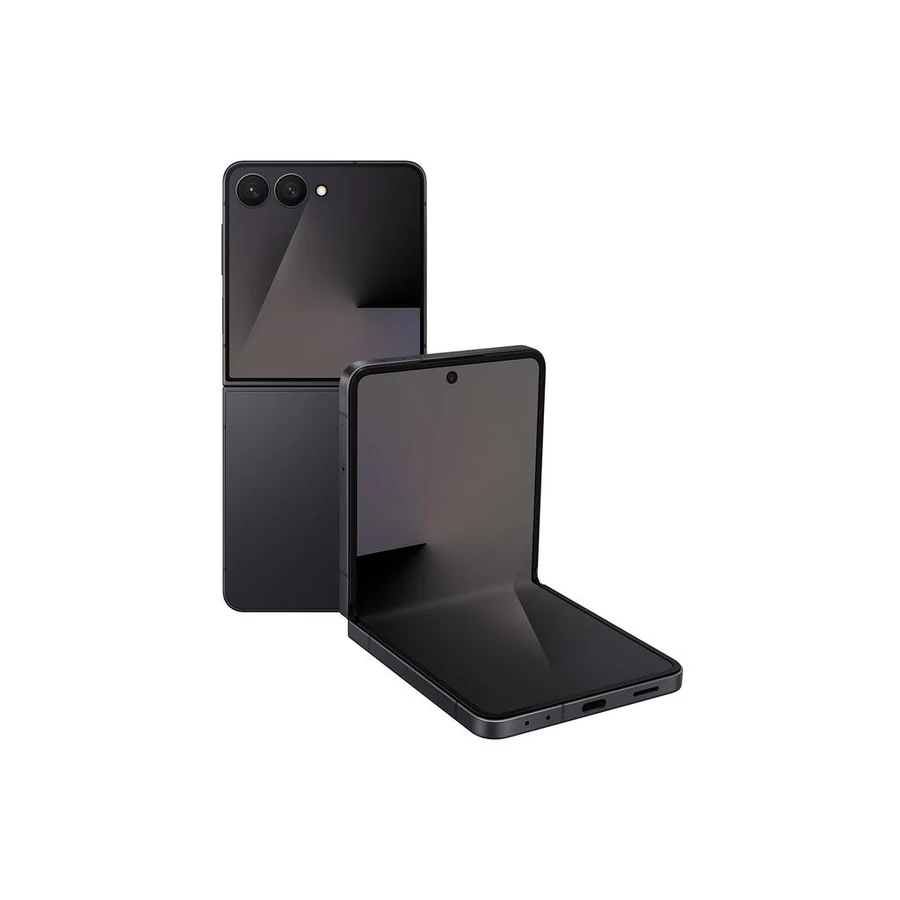
Galaxy Z Flip7 · E wātea ana ki ngā whatunga katoa
Mai i

Utu mō te mea kua whakahoungia:USD 203 $

Utu mō te mea hou · USD 999 $

Tirohia ngā kōwhiringa
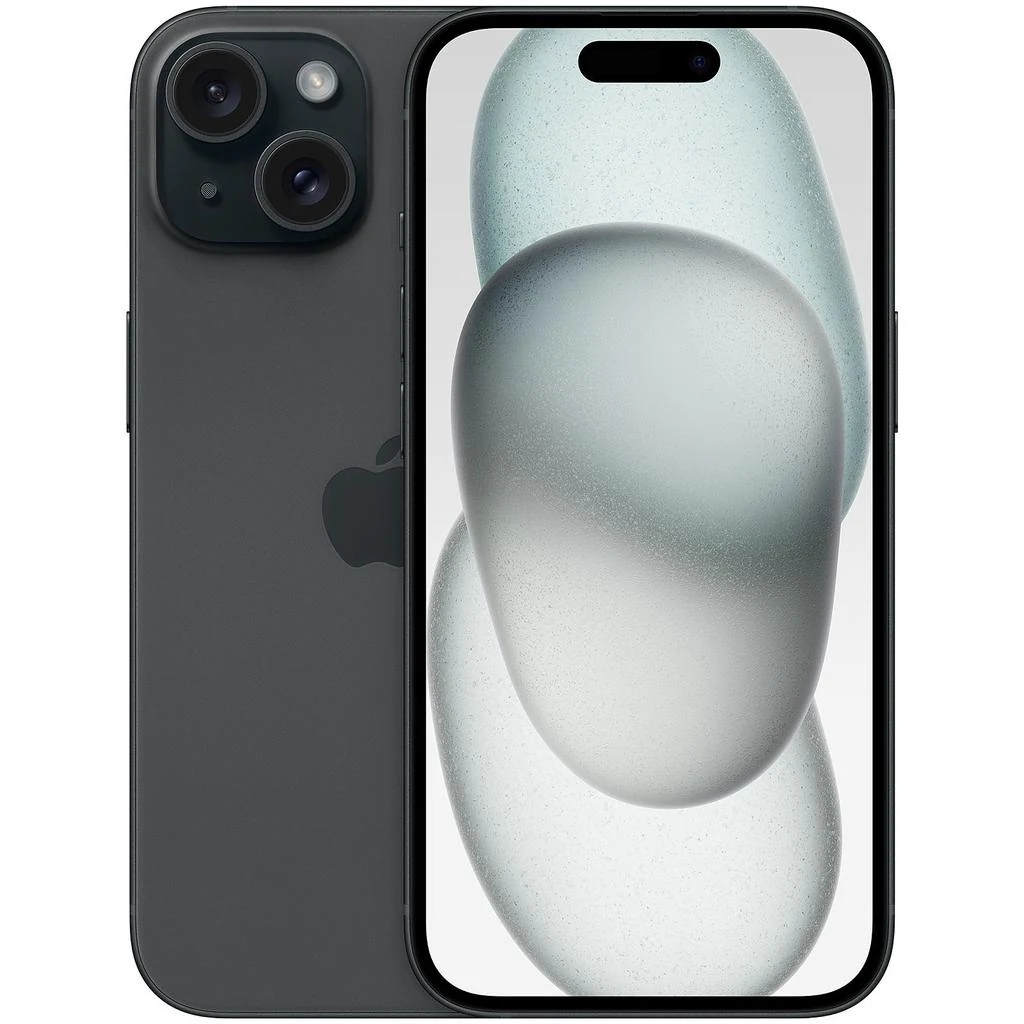
iPhone 15 · E wātea ana ki ngā whatunga katoa
Mai i

Utu mō te mea kua whakahoungia:USD 161 $

Utu mō te mea hou · USD 699 $

Tirohia ngā kōwhiringa

He tirohanga poto ki ngā rerekētanga

The Samsung Galaxy Z Flip7 (2025) and the Apple iPhone 15 (2023) represent two distinct approaches to modern smartphone design, contrasting a foldable clamshell form factor with a traditional candy-bar build. While they serve daily communication and computing needs differently, both devices offer modern operating systems, powerful processing capabilities, and advanced camera systems. Operating on Android and iOS respectively, these smartphones cater to users looking for distinct physical formats and software ecosystems.

Ngā tauira e wātea ana

Tae

Storage (GB)

Ngā kaute

Te pakari

When evaluating structural longevity and software support, both devices offer robust update lifecycles and durable construction, though their physical formats present different maintenance considerations.

  • Software Support: Both manufacturers provide multi-year operating system updates and security patches, helping ensure the software stays current for several years of active ownership.
  • Build and Repairs: The iPhone 15 utilizes traditional rigid glass and aluminum framing with an IP68 water resistance rating, whereas the Galaxy Z Flip7 features a foldable internal screen and a complex hinge mechanism that require careful handling over extended use.
  • Practical Lifespan: Users who prefer a rigid bar phone will find predictable long-term hardware durability, while those choosing a foldable device gain a compact pocket footprint balanced against the unique wear patterns of a flexible display.

Te tau i tukuna ai

2025

2023

Te pūnaha whakahaere hototahi hōu rawa

Āe

Āe

Pūnaha whakahaere

Android

iOS

Foldable

Āe

Kāo

Te kaha mahi

Everyday responsiveness, multitasking capabilities, and energy management differ due to variations in internal memory architecture and operating system optimization.

  • Multitasking and Memory: The Galaxy Z Flip7 is equipped with ample random access memory to run demanding background tasks smoothly, while the iPhone 15 relies on tight hardware-software integration to maintain fluid system performance across apps.
  • Storage and Battery: Storage configurations begin at higher baselines for the foldable model, whereas the iPhone 15 provides dependable daily power management capable of sustaining standard browsing and media playback routines through a normal day.
  • System Fluidity: Both units handle everyday applications, web browsing, and casual gaming without noticeable stutter, though heavy mobile gamers will notice thermal management differences during prolonged sessions.

Te kounga o te mata

Display technology defines the visual experience of each device, offering contrasting screen layouts and interactive formats.

  • Display Panels: The iPhone 15 features a traditional bright OLED panel with fixed dimensions, while the Galaxy Z Flip7 provides a folding main display alongside a functional outer cover screen for quick notifications and widgets.
  • Visual Clarity: Both screens deliver sharp text, deep black levels, and vibrant colors suitable for reading, streaming video, and viewing photos in various lighting conditions.
  • Outdoor Usability: High peak brightness levels on both panels ensure that content remains legible under direct sunlight, though screen reflections can behave differently on glass versus plastic-polymer protected folding screens.

Taumira

—

1179 x 2556

Te momo mata

Foldable Dynamic LTPO AMOLED 2X

Super Retina XDR OLED

Te ataata me te oro

Media capture and audio output capabilities vary between the dual-lens configuration of the iPhone and the flexible shooting angles enabled by a folding design.

  • Camera Systems: Both phones utilize high-resolution main sensors paired with ultra-wide options to capture detailed everyday photography and low-light scenes.
  • Versatility: The folding design of the Samsung model allows for hands-free tripod-style placement during photo and video capture, while the iPhone 15 relies on traditional handheld angles backed by automated image processing.
  • Audio and Video: Stereo speakers on both devices provide clear sound output for media consumption, accompanied by multi-microphone arrays that isolate voice audio during calls and video recordings.

Ētahi atu āhuatanga

Practical everyday features such as connectivity standards, physical ports, and biometric security shape the daily user experience.

  • Connectivity and Ports: Both devices embrace modern global standards, utilizing high-speed 5G mobile networks, advanced wireless protocols, and universal USB-C ports for charging and data transfer.
  • Security and Biometrics: The iPhone 15 uses facial recognition technology, whereas the Galaxy Z Flip7 incorporates a side-mounted fingerprint scanner embedded within the power button.
  • Dimensions and Handling: The iPhone 15 offers a lightweight, pocket-friendly rigid shape, while the Galaxy Z Flip7 folds in half to occupy half the vertical pocket space, trading a slightly heavier overall weight for a more compact footprint.

Taumaha

—

6.03 oz (171 g)

Te rahi o te mata (inihi)

6.9

6.1

Whatunga

5G

5G

Kāri SIM

Physical SIM + eSIM

eSIM

Carrier compatibility

E wātea ana ki ngā whatunga katoa

E wātea ana ki ngā whatunga katoa

Tūhono

USB-C

USB-C (USB 2)

Ngā whakaaro o te hapori

User feedback highlights distinct preferences for each device across online communities. Owners of the iPhone 15 frequently praise its reliable battery performance, straightforward operating system, and comfortable one-handed ergonomics. Conversely, Galaxy Z Flip7 users often emphasize the convenience of the outer cover screen, the novelty and space-saving nature of the folding format, and versatile hands-free camera angles. Common criticisms for the iPhone involve the standard refresh rate of its display, while foldable users occasionally note the visibility of the screen crease.

Users prioritizing a compact pocket footprint and flexible display multitasking may prefer the Galaxy Z Flip7, while users seeking a traditional, straightforward smartphone experience with facial recognition will find the iPhone 15 well-suited to their needs. For consumers exploring a sustainable choice, a quality-assured refurbished option from RefurbLane provides a reliable, eco-friendly alternative to purchasing brand-new hardware. Selecting the right device ultimately depends on whether a folding layout or a conventional bar format aligns better with daily routines.

Ā mātou whakataurite hou

WhatsApp