
Compare models

Galaxy Z Flip7 · Uden SIM-lås vs iPhone 14 · Uden SIM-lås

  • 1 års garanti
  • Shipping rates shown at checkout
  • 14 dages returret (vilkår for returfragt gælder)
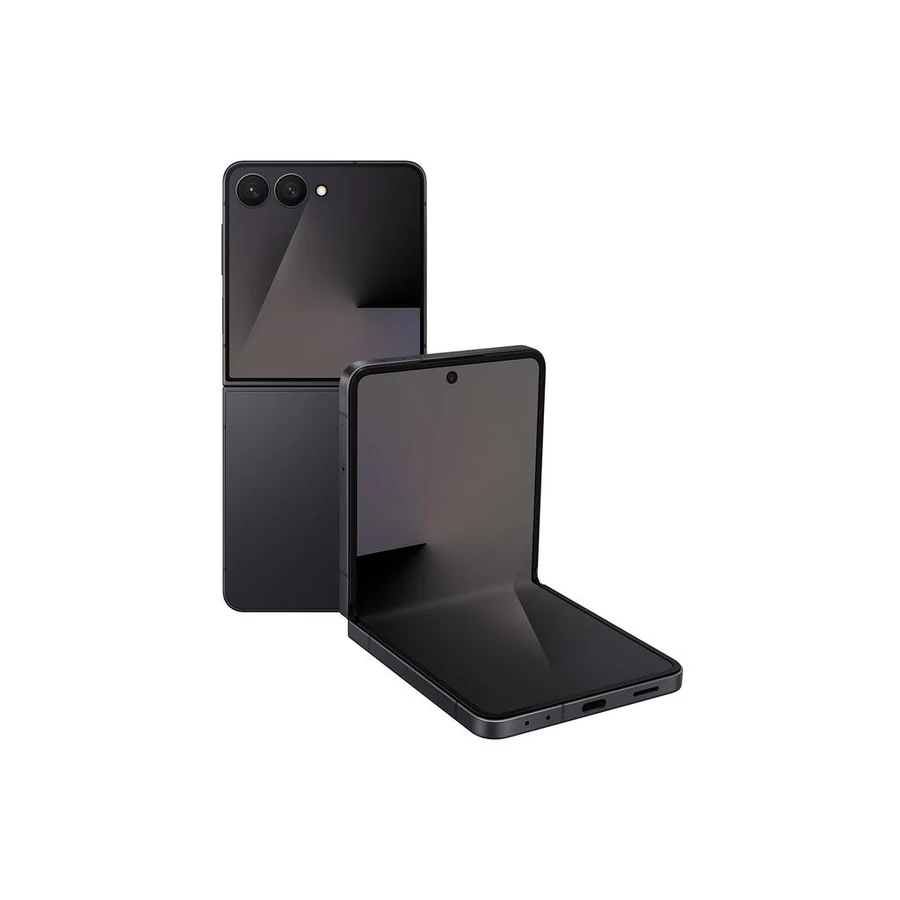
Galaxy Z Flip7 · Uden SIM-lås
Fra

Pris som istandsat:USD 203 $

Nypris · USD 999 $

Se muligheder
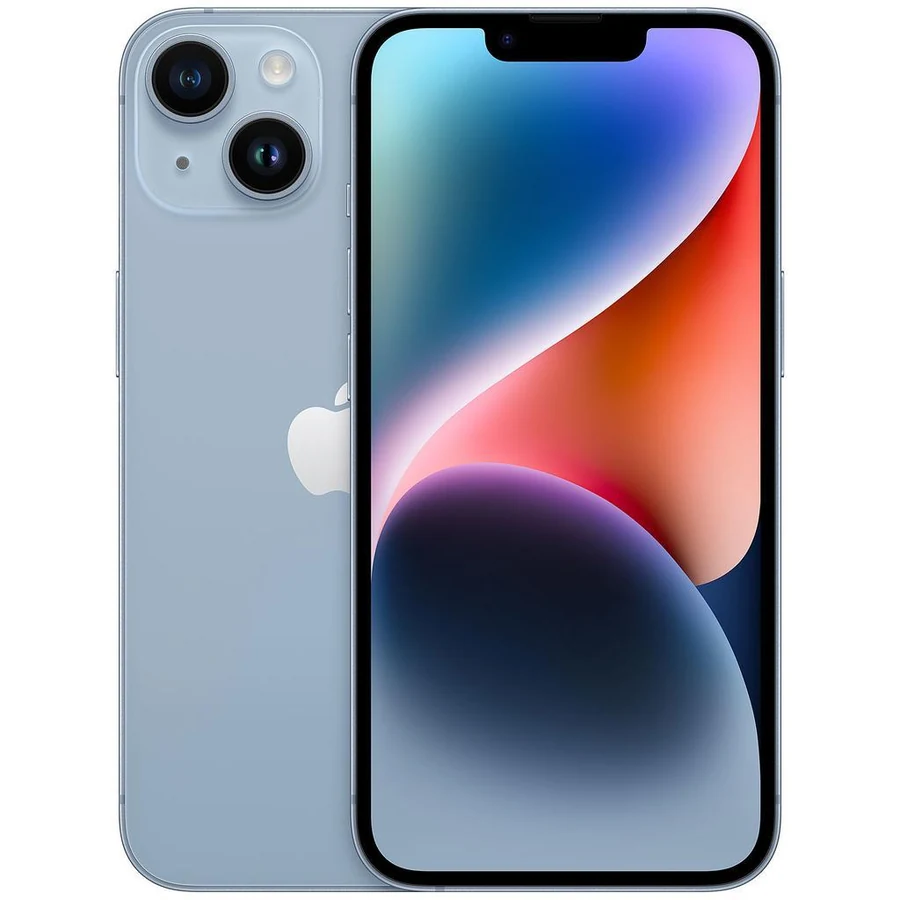
iPhone 14 · Uden SIM-lås
Fra

Pris som istandsat:USD 117 $

Nypris · USD 629 $

Se muligheder

Forskellene kort fortalt

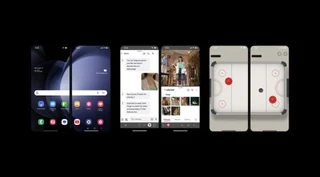
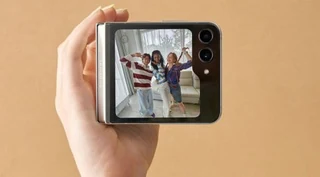
The Samsung Galaxy Z Flip7 (2025) and the Apple iPhone 14 (2022) represent two very different approaches to modern smartphone engineering. While the iPhone 14 follows a traditional slate form factor running iOS, the Galaxy Z Flip7 introduces a folding clamshell design powered by the Android operating system. Choosing between them depends largely on user preferences regarding hardware design and operating systems.

Tilgængelige modeller

Farve

Storage (GB)

Bedømmelser

Holdbarhed

Both smartphones provide solid long-term usability, though their release schedules and hardware designs introduce different considerations for long-term ownership.

  • Software longevity: The Galaxy Z Flip7 benefits from an extended software support window matching its recent release year, while the iPhone 14 relies on Apple's established multi-year update track record.
  • Hardware design impact: The folding mechanism of the Galaxy Z Flip7 requires careful handling over years of use compared to the rigid, glass-and-aluminum slab construction of the iPhone 14.
  • Repairability: Traditional slate devices like the iPhone 14 generally present straightforward pathways for standard component replacements relative to foldable display assemblies.

Udgivelsesår

2025

2022

Seneste kompatible operativsystem

Ja

Ja

Operativsystem

Android

iOS

Foldable

Ja

Nej

Ydeevne

Underneath their exteriors, both devices deliver capable hardware configurations suited for everyday workflows and demanding applications.

  • Multitasking and memory: The Galaxy Z Flip7 includes generous random access memory allocation to support simultaneous background tasks, while the iPhone 14 utilizes optimized system resource management for smooth app switching.
  • App execution and responsiveness: Both devices load demanding applications quickly and handle high-end mobile gaming without noticeable stutter or thermal throttling during standard use.
  • Storage tiers: The Galaxy Z Flip7 starts with higher baseline storage capacities, whereas the iPhone 14 offers lower entry-level tiers alongside higher configurations.

Skærmkvalitet

Display technology differs significantly between the two models, impacting media consumption, outdoor legibility, and physical interaction.

  • Display architecture: The Galaxy Z Flip7 features a flexible internal organic light-emitting diode panel paired with a larger external cover screen, contrasting with the fixed flat display of the iPhone 14.
  • Visual fluidity: The Galaxy Z Flip7 supports a higher refresh rate for smoother scrolling and animations, while the iPhone 14 adheres to a standard refresh rate.
  • Peak brightness: Both screens deliver high brightness levels for clear visibility under direct sunlight, accompanied by deep contrast and wide color reproduction.

Opløsning

—

1170 x 2532

Skærmtype

Foldable Dynamic LTPO AMOLED 2X

Super Retina XDR OLED

Billede og lyd

Imaging hardware and software processing on both models cater to everyday photography, video capture, and audio recording needs.

  • Camera versatility: The Galaxy Z Flip7 utilizes a high-resolution main sensor paired with an ultra-wide lens, matching the dual-camera layout philosophy of the iPhone 14.
  • Low-light capture: Both devices employ automated computational processing to brighten shadows and manage noise levels in dimly lit environments.
  • Video and audio output: The iPhone 14 features advanced cinematic video stabilization modes, while both phones offer clear microphone arrays and stereo speakers for calls and media playback.

Øvrige egenskaber

External physical attributes and connectivity options dictate how each device integrates into daily routines and travel environments.

  • Connectivity standards: Both models support fifth-generation cellular networks, modern wireless local area networking protocols, and secure digital exchange features.
  • Physical ports: The Galaxy Z Flip7 relies on a reversible universal serial connector, whereas the iPhone 14 utilizes a proprietary connection port.
  • Form factor and weight: The Galaxy Z Flip7 folds into a compact square for easy pocket storage, while the iPhone 14 maintains a slim, lightweight traditional profile.

Vægt

—

6 oz

Skærmstørrelse (tommer)

6.9

6.1

Netværk

5G

5G

SIM-kort

Physical SIM + eSIM

eSIM

Carrier compatibility

Uden SIM-lås

Uden SIM-lås

Stik

USB-C

Lightning

Hvad synes brugerne?

User feedback from online communities highlights distinct preference patterns for each device. Owners of the Galaxy Z Flip7 frequently praise its compact folded footprint, flexible angles for hands-free media viewing, and expansive cover screen utility. Common discussions surrounding foldables occasionally note the visible crease across the main display and the need for mindful handling of the flexible screen. Conversely, iPhone 14 users frequently highlight its dependable battery efficiency, reliable facial recognition security, and sturdy, straightforward construction. Some criticisms for the Apple model center on its slower charging speeds and lack of hardware innovation compared to folding alternatives. Users prioritizing a compact, pocket-friendly design with flexible viewing angles may prefer the Galaxy Z Flip7, while users seeking a traditional smartphone experience with long-standing software familiarity often lean toward the iPhone 14. Exploring a quality-assured refurbished option provides an eco-friendly alternative for acquiring either device while reducing electronic waste. Ultimately, the right choice depends on whether a folding display or a conventional slate layout best fits your daily routine.

WhatsApp