
Compare models

Galaxy Z Flip7 · E wātea ana ki ngā whatunga katoa vs iPhone 14 Pro · E wātea ana ki ngā whatunga katoa

  • Pūtāhui kotahi tau
  • Shipping rates shown at checkout
  • Ka taea te whakahoki i roto i ngā rā 14 (ka pā ngā tikanga tuku whakahoki)
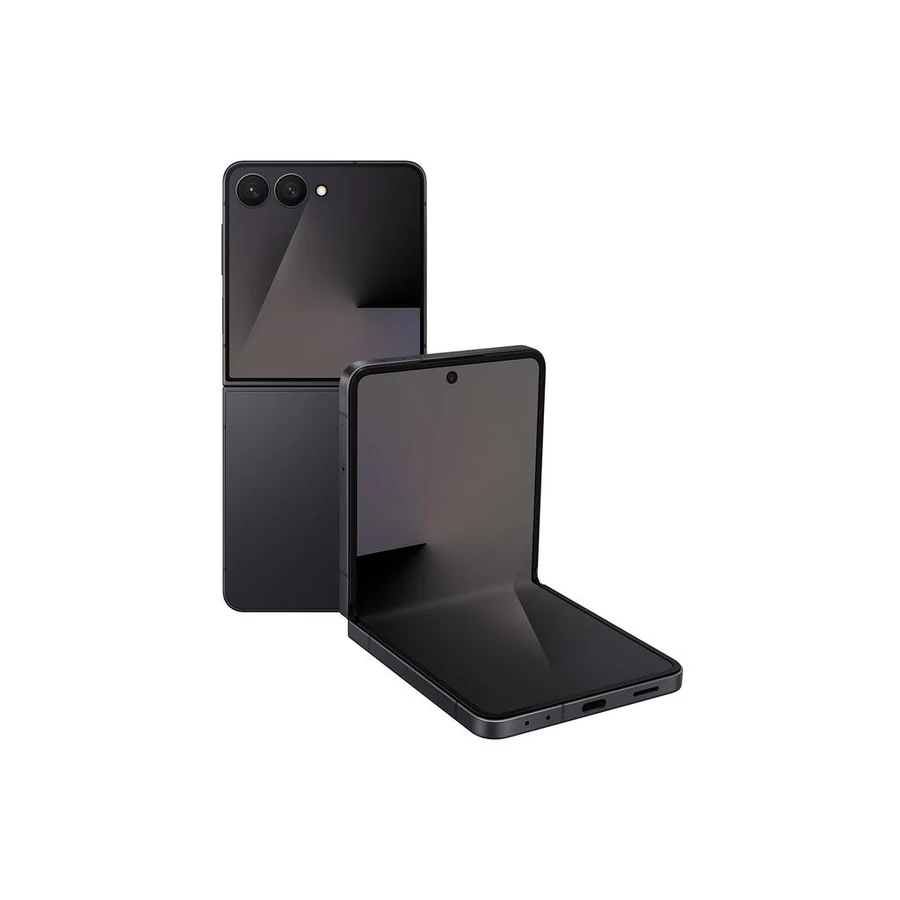
Galaxy Z Flip7 · E wātea ana ki ngā whatunga katoa
Mai i

Utu mō te mea kua whakahoungia:USD 203 $

Utu mō te mea hou · USD 999 $

Tirohia ngā kōwhiringa
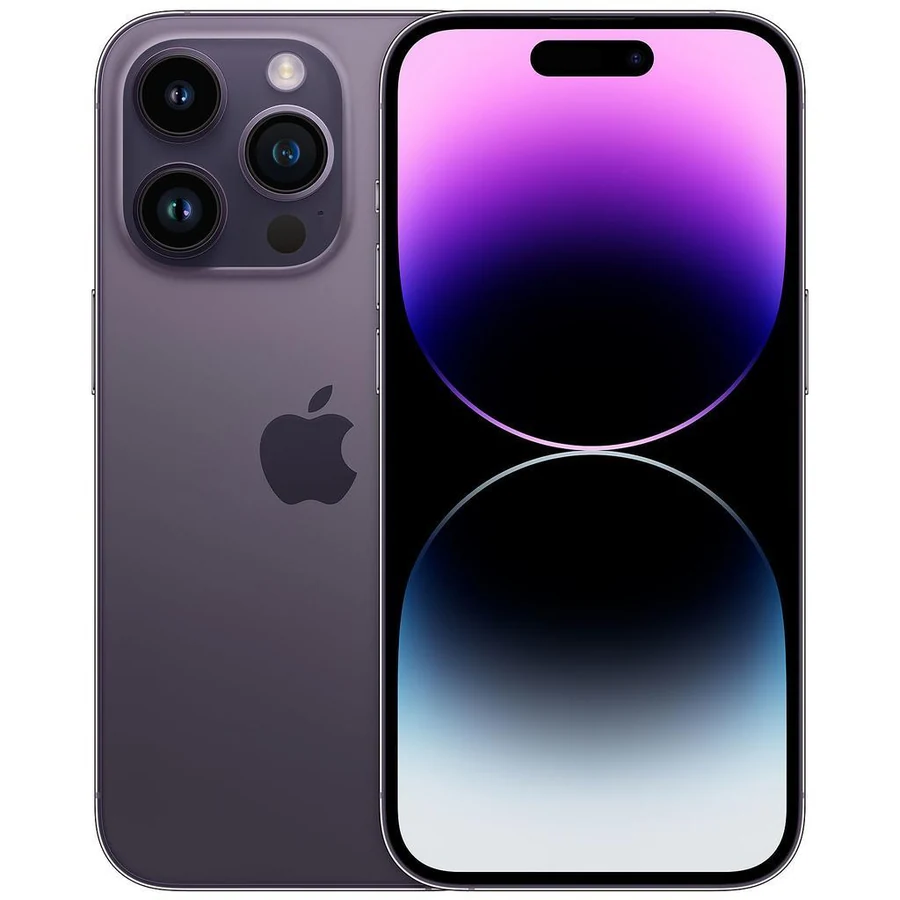
iPhone 14 Pro · E wātea ana ki ngā whatunga katoa
Mai i

Utu mō te mea kua whakahoungia:USD 150 $

Utu mō te mea hou · USD 999 $

Tirohia ngā kōwhiringa

He tirohanga poto ki ngā rerekētanga

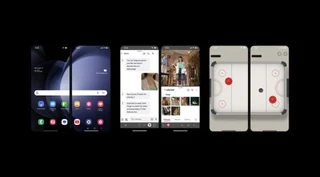
The Samsung Galaxy Z Flip7 (2025) and the Apple iPhone 14 Pro (2022) represent two distinct approaches to high-end smartphone design, contrasting a modern folding form factor with a traditional rigid flagship build. While both devices target users seeking high performance and advanced capabilities, they diverge significantly in hardware architecture, operating systems, and physical design.

The Galaxy Z Flip7 runs on the Android ecosystem with customized folding capabilities, whereas the iPhone 14 Pro operates on Apple's iOS platform, offering different software experiences and ecosystem integrations for prospective buyers.

Ngā tauira e wātea ana

Tae

Storage (GB)

Ngā kaute

Te pakari

When evaluating structural longevity and software support, both devices approach durability through different manufacturing methods and update schedules.

  • Release timeline and software support: The iPhone 14 Pro provides long-term iOS updates typical of Apple devices, while the Galaxy Z Flip7 benefits from a newer hardware launch date and multi-year Android upgrade commitments.
  • Hardware resilience: The iPhone 14 Pro features a rigid glass-and-steel body with ceramic shielding, whereas the Galaxy Z Flip7 utilizes a flexible display structure designed to withstand frequent folding actions over its operational lifespan.
  • Practical lifespan: Users can expect extended software usability from both models, though mechanical wear patterns differ between a traditional candy-bar phone and a clamshell folding device.

Te tau i tukuna ai

2025

2022

Te pūnaha whakahaere hototahi hōu rawa

Āe

Āe

Pūnaha whakahaere

Android

iOS

Foldable

Āe

Kāo

Te kaha mahi

Underneath their exteriors, these smartphones handle demanding applications, multitasking workflows, and daily battery management through distinct hardware configurations.

  • System responsiveness: Both devices load heavy applications quickly and handle intensive multitasking smoothly, maintaining high frame rates during demanding tasks without noticeable stutter.
  • Memory and storage capacity: The Galaxy Z Flip7 comes equipped with generous system memory to keep multiple apps active simultaneously, while the iPhone 14 Pro relies on optimized memory management within iOS to ensure seamless transitions.
  • Battery behavior: Battery endurance varies under heavy use due to differing cell capacities and screen configurations, with both models generally managing a full day of standard mixed usage before requiring a recharge.

Te kounga o te mata

Visual output and display engineering differ significantly due to the folding mechanism of one device versus the rigid panel of the other.

  • Display technology: The iPhone 14 Pro utilizes a rigid OLED panel with adaptive refresh rates for smooth scrolling, while the Galaxy Z Flip7 features a flexible folding OLED main screen complemented by a functional exterior cover display.
  • Brightness and outdoor visibility: Both screens reach high peak brightness levels, ensuring clear legibility and vibrant colors even when viewed under direct sunlight.
  • Viewing experience: The iPhone provides a traditional, uninterrupted flat viewing surface, whereas the foldable model offers a larger internal canvas accompanied by a visible crease along the folding axis.

Taumira

—

1179 x 2556

Te momo mata

Foldable Dynamic LTPO AMOLED 2X

LTPO Super Retina XDR OLED

Te ataata me te oro

Optics and media consumption hardware cater to different photography styles and multimedia preferences across both devices.

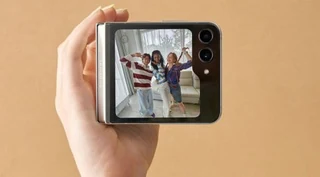
  • Camera capabilities: The iPhone 14 Pro relies on a versatile triple-lens rear system including a high-resolution main sensor and dedicated optical zoom, while the Galaxy Z Flip7 utilizes a dual-lens setup that benefits from unique folding angles for hands-free framing.
  • Low-light and video performance: Both smartphones capture detailed low-light imagery and stable high-resolution video, featuring advanced stabilization and cinematic recording modes for content creation.
  • Audio output: Stereo speaker setups on both models deliver clear voice calls and immersive sound output for streaming media and gaming without requiring external speakers.

Ētahi atu āhuatanga

Daily usability is shaped by connectivity standards, physical dimensions, and security authentication methods unique to each manufacturer.

  • Connectivity and ports: Both devices support fast 5G cellular networks, modern Wi-Fi standards, and Bluetooth, utilizing proprietary ports or USB standards for charging and data transfer.
  • Security features: The iPhone 14 Pro uses facial recognition technology for secure authentication, while the Galaxy Z Flip7 incorporates a side-mounted fingerprint sensor alongside facial unlock options.
  • Handling and ergonomics: The iPhone 14 Pro provides a solid, traditional pocket feel with a stainless steel frame, whereas the Galaxy Z Flip7 folds in half to occupy less vertical pocket space while adding slight thickness when closed.

Taumaha

—

7 oz

Te rahi o te mata (inihi)

6.9

6.1

Whatunga

5G

5G

Kāri SIM

Physical SIM + eSIM

eSIM

Carrier compatibility

E wātea ana ki ngā whatunga katoa

E wātea ana ki ngā whatunga katoa

Tūhono

USB-C

Lightning

Ngā whakaaro o te hapori

User feedback from online communities highlights distinct preferences for each device. Owners of the iPhone 14 Pro frequently praise its reliable camera system, robust build quality, and seamless integration with Apple accessories, though some note that the rigid form factor lacks innovation. Conversely, Galaxy Z Flip7 users appreciate the compact pocketability of the folding design and the utility of the cover screen, while occasionally mentioning that the folding crease requires an adjustment period.

Users prioritizing a compact, pocket-friendly footprint and multi-angle flexibility may prefer the Galaxy Z Flip7, while users prioritizing a traditional rigid build, optical zoom capabilities, and the iOS ecosystem will lean toward the iPhone 14 Pro. For buyers looking for an eco-friendly, quality-assured alternative, choosing a professionally refurbished option from RefurbLane provides a sustainable path toward acquiring either device.

Ā mātou whakataurite hou

WhatsApp