
Compare models
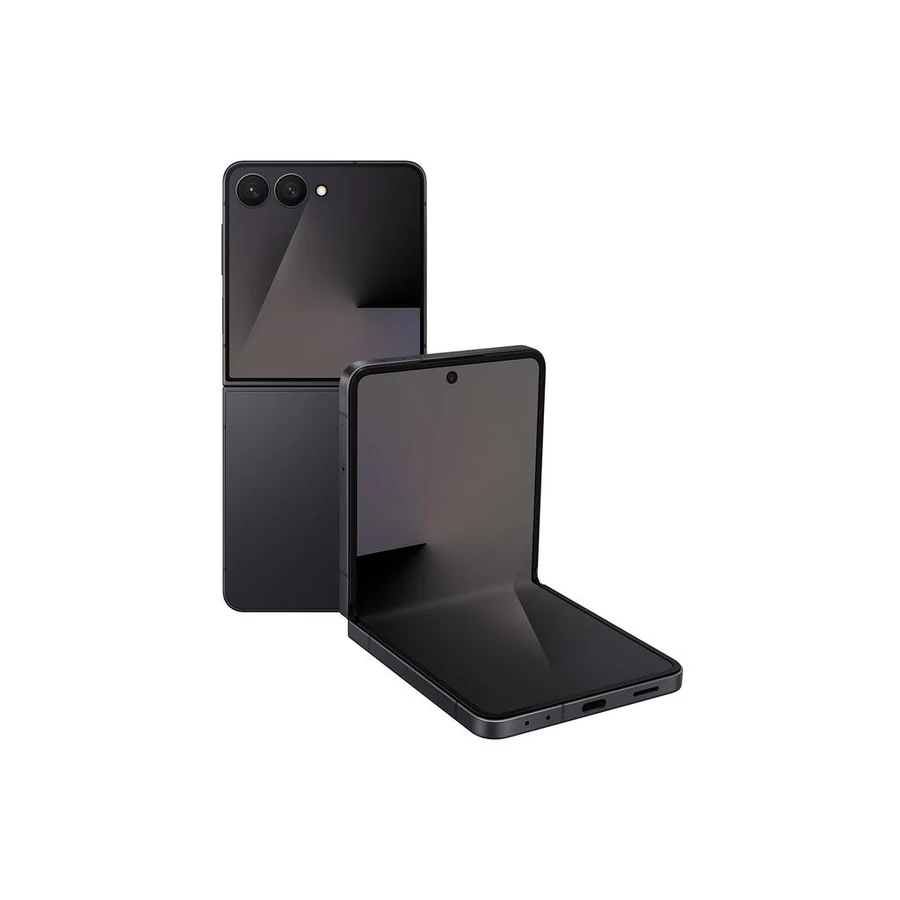
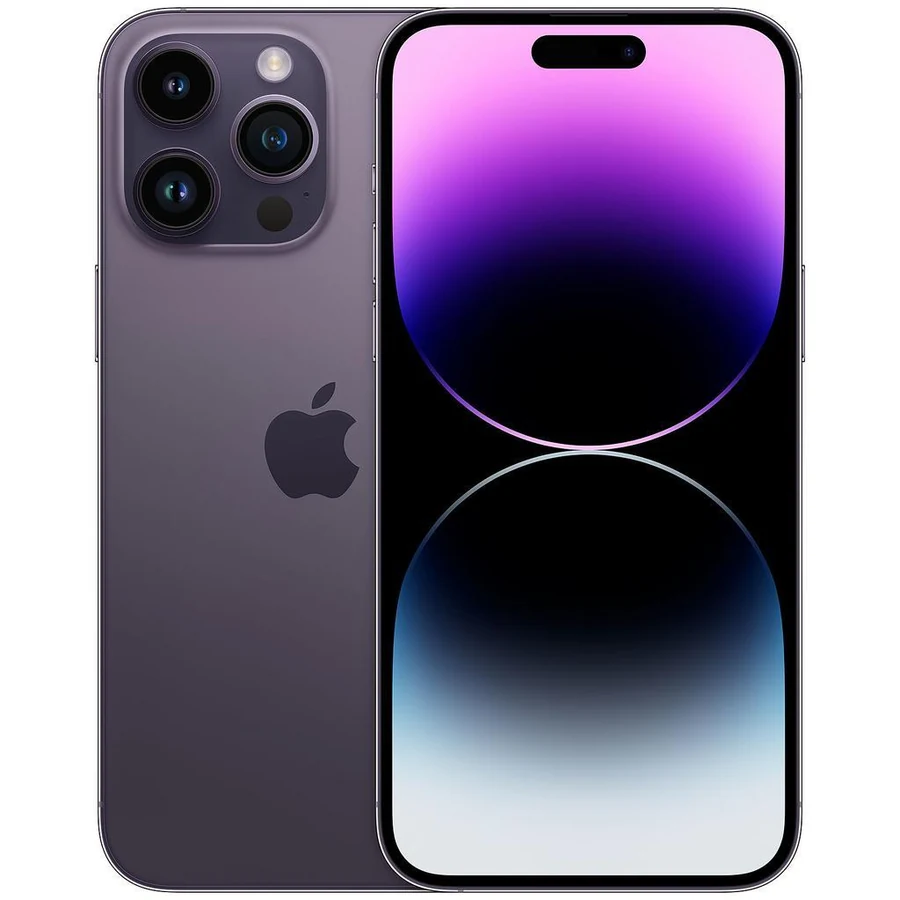
Galaxy Z Flip7 · Nesusietas su operatoriumi vs iPhone 14 Pro Max · Nesusietas su operatoriumi
- Vienų metų garantija
- Shipping rates shown at checkout
- Grąžinimas per 14 dienų (taikomos grąžinimo siuntimo sąlygos)
Trumpai apie skirtumus
The Samsung Galaxy Z Flip7 (2025) and Apple iPhone 14 Pro Max (2022) represent two distinct approaches to high-end smartphone design, contrasting a modern foldable clamshell build with a traditional large-format flagship phone. While both models deliver premium capabilities, they differ fundamentally in form factor, operating systems, and core user orientation. Running on Android and iOS respectively, these devices cater to very different preferences regarding pocketability, screen layouts, and ecosystem integration.
Galimi modeliai
Spalva
Storage (GB)
Įvertinimai
Patvarumas
The Galaxy Z Flip7 and iPhone 14 Pro Max offer long-term reliability backed by multi-year software support, though their release timelines and physical designs introduce distinct structural considerations for daily use.
- Release Timeline and Software Support: The Galaxy Z Flip7 launched in 2025, providing a more recent entry point into software updates, while the iPhone 14 Pro Max debuted in 2022. Both manufacturers provide extensive operating system updates over several years, ensuring extended longevity for both models.
- Physical Durability and Repairability: The iPhone 14 Pro Max utilizes a rigid glass and stainless steel construction with traditional drop-resistance features. In contrast, the Galaxy Z Flip7 features a flexible folding display mechanism that requires careful handling over time, though modern iterations include refined hinge durability and robust outer protective layers.
Išleidimo metai
2025
2022
Naujausia suderinama operacinė sistema
Taip
Taip
Operacinė sistema
Android
iOS
Foldable
Taip
Ne
Našumas
Both smartphones handle demanding daily applications, intense multitasking, and resource-heavy software smoothly, though they manage internal resources through different hardware configurations and storage tiers.
- Storage and Multitasking: The Galaxy Z Flip7 starts with higher baseline memory configurations to support seamless app switching, while the iPhone 14 Pro Max relies on optimized memory management across various storage choices ranging from standard capacities up to expansive tiers.
- Battery Behavior and System Responsiveness: Both devices load apps instantly and navigate user interfaces fluidly. However, the Galaxy Z Flip7 features a split-battery architecture tailored for a folding frame, whereas the larger physical footprint of the iPhone 14 Pro Max accommodates a battery capacity capable of sustaining extended heavy usage periods.
Ekrano kokybė
Display technology is a primary differentiator, contrasting a flexible folding panel setup with a fixed, high-luminance traditional glass screen.
- Display Technology and Layout: The Galaxy Z Flip7 features a foldable inner screen alongside an expanded outer cover screen that allows quick interactions without opening the device. The iPhone 14 Pro Max counters with a single, expansive rigid panel known for deep contrast and color fidelity.
- Brightness and Outdoor Clarity: Both screens reach high peak brightness levels, ensuring legibility under direct sunlight, while incorporating high refresh rate technology for smooth scrolling and responsive touch interaction.
Raiška
—
1290 x 2796
Ekrano tipas
Foldable Dynamic LTPO AMOLED 2X
LTPO Super Retina XDR OLED
Vaizdas ir garsas
Photography and multimedia experiences vary based on lens configurations, physical handling flexibility, and audio output setups.
- Camera System Versatility: The iPhone 14 Pro Max features a triple-lens array including a dedicated telephoto lens for optical zoom alongside high-resolution main and ultra-wide sensors. The Galaxy Z Flip7 utilizes a dual-lens rear system that benefits from unique folding angles, enabling hands-free freestanding photo and video capture.
- Media and Audio Output: Both models deliver stereo sound output suitable for media consumption, though their physical designs create different acoustic profiles during playback.
Kitos savybės
Practical daily features, connectivity standards, and ergonomic dimensions shape how comfortably each device integrates into various lifestyles.
- Connectivity and Ports: Both devices support modern 5G networks, fast Wi-Fi standards, and Bluetooth pairing, utilizing proprietary charging connections for Apple and universal USB-C connectivity for Samsung.
- Handling and Form Factor: The iPhone 14 Pro Max provides a broad, flat profile that requires two-handed use for many tasks. Conversely, the Galaxy Z Flip7 folds in half to fit compactly into smaller pockets or bags, offering a distinct ergonomic advantage for travelers and minimalists.
Svoris
—
8 oz
Ekrano dydis (coliais)
6.9
6.7
Tinklas
5G
5G
SIM kortelė
Physical SIM + eSIM
eSIM
Carrier compatibility
Nesusietas su operatoriumi
Jungtis
USB-C
Lightning
Bendruomenės nuomonė
User feedback highlights distinct preferences for each device across public forums. Owners of the iPhone 14 Pro Max frequently praise its robust battery longevity, reliable telephoto zoom capabilities, and stable operating system. On the other hand, users of the Galaxy Z Flip7 often highlight the convenience of the compact folding footprint, the utility of the outer cover screen for notifications, and the flexibility of hands-free photo angles. Some users express ongoing mindfulness regarding the visible crease on folding screens and the battery demands of running a dual-display setup.
Users prioritizing a compact, pocket-friendly form factor with innovative screen layouts may prefer the Galaxy Z Flip7, while users focusing on extended battery life and traditional telephoto photography often lean toward the iPhone 14 Pro Max. Choosing a quality-assured refurbished option provides an eco-friendly alternative for acquiring either device while supporting sustainable electronics consumption. Ultimately, the right choice depends on whether daily routines benefit more from a folding design or a traditional large-format flagship structure.