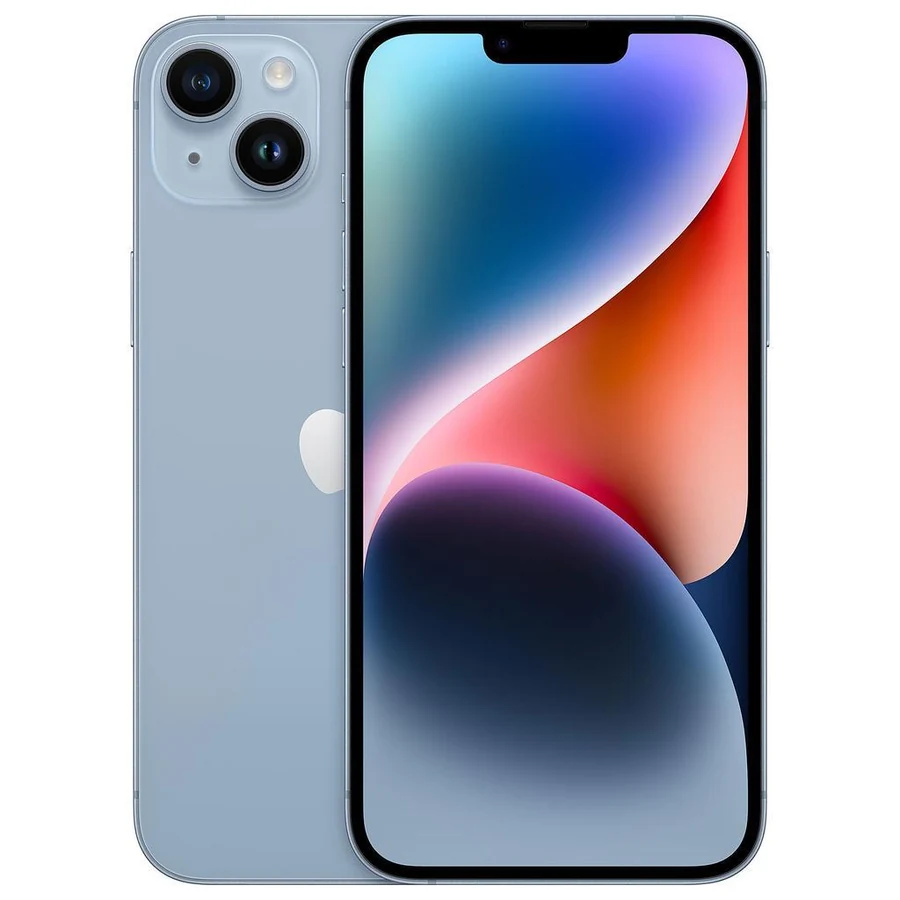

Compare models
Galaxy Z Flip7 · Ouni SIM-Spär vs iPhone 14 Plus · Ouni SIM-Spär
- 1 Joer Garantie
- Shipping rates shown at checkout
- Retour bannent 14 Deeg (d’Konditioune fir de Réckversand gëllen)
D’Ënnerscheeder op ee Bléck
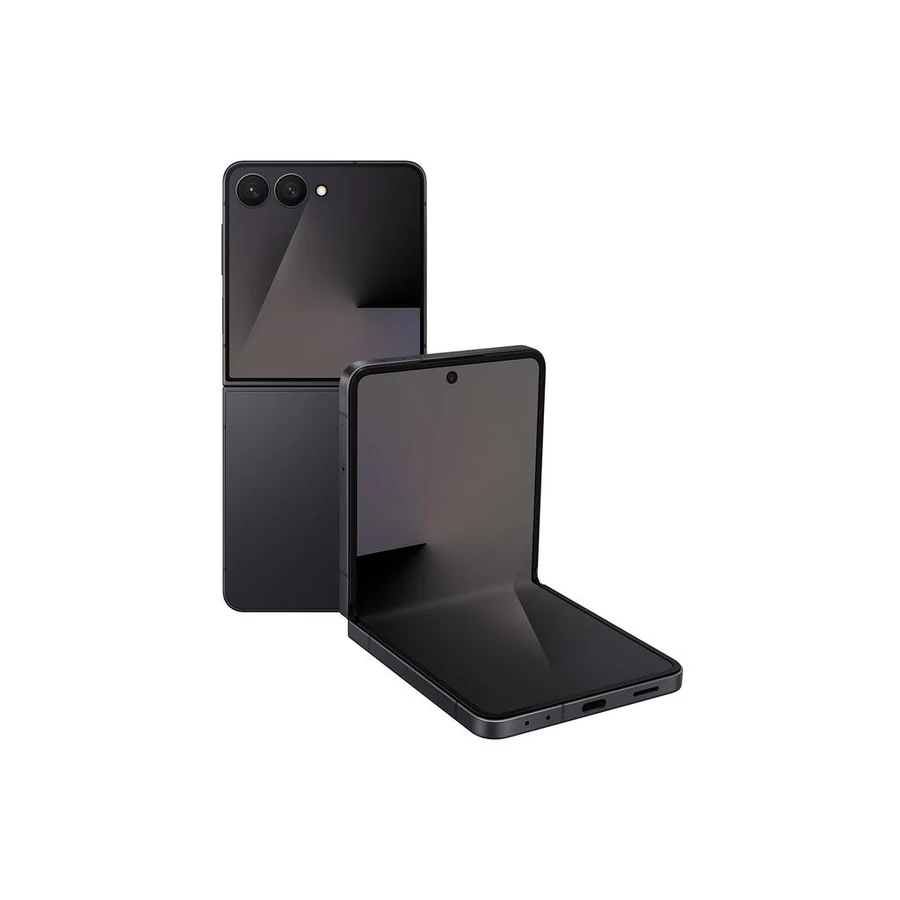
The Samsung Galaxy Z Flip7 (2025) and the Apple iPhone 14 Plus (2022) represent two distinct approaches to modern smartphone design, contrasting a pocket-friendly folding form factor with a traditional large-screen slate layout. While the Galaxy Z Flip7 runs on Android with customized folding display features, the iPhone 14 Plus operates on iOS within a standard rigid body. Both devices cater to users seeking expansive display estate in daily use, yet they achieve this through completely different physical footprints.
Verfügbar Modeller
Faarf
Storage (GB)
Bewäertungen
Haltbarkeet
When considering longevity, these two smartphones approach software support and physical wear through different structural designs and release timelines.
- Software Support: The iPhone 14 Plus benefits from Apple's long-standing update cycle, while the Galaxy Z Flip7 features modern multi-year Android upgrade commitments designed to keep the operating system current over an extended timeframe.
- Physical Durability: The iPhone 14 Plus uses a traditional glass-and-aluminum slab design with fixed structural rigidity, whereas the Galaxy Z Flip7 incorporates a folding inner display and a hinge mechanism that requires mindful handling during everyday use.
- Repairability: Traditional slate devices like the iPhone generally present simpler structural frameworks for standard component maintenance compared to advanced folding mechanisms.
Erscheinungsjoer
2025
2022
Leschte kompatibele Betribssystem
Jo
Jo
Betribssystem
Android
iOS
Foldable
Jo
Nee
Leeschtung
Both smartphones handle demanding daily applications, background synchronization, and media streaming smoothly, though their internal configurations and memory allotments differ.
- Multitasking and Memory: The Galaxy Z Flip7 is equipped with generous RAM capacity to manage concurrent background processes, while the iPhone 14 Plus relies on optimized software integration to handle everyday multitasking efficiently.
- Storage Configurations: Both devices offer multiple spacious internal storage tiers starting at baseline capacities suitable for extensive photo libraries and offline media storage.
- Battery Behavior: The iPhone 14 Plus leverages a large physical footprint to accommodate a high-capacity battery for all-day endurance, while the Galaxy Z Flip7 balances a compact folding frame with efficient power management to sustain standard daily usage routines.
Bildschiermqualitéit
Visual delivery is a primary differentiator, contrasting a flexible dual-screen layout with a fixed, expansive single-panel viewing space.
- Display Technology: The Galaxy Z Flip7 features a folding inner organic light-emitting diode panel alongside a functional outer cover screen, while the iPhone 14 Plus utilizes a large, rigid organic light-emitting diode display with deep contrast and vibrant color reproduction.
- Brightness and Outdoor Clarity: Both screens reach high peak brightness levels, ensuring clear legibility and comfortable viewing under direct sunlight during outdoor navigation or reading.
- Bildwidderhuelrate: The Galaxy Z Flip7 provides a high refresh rate for smooth scrolling animations, whereas the iPhone 14 Plus utilizes a standard refresh rate optimized for steady visual clarity.
Opléisung
—
1284 x 2778
Bildschiermtyp
Foldable Dynamic LTPO AMOLED 2X
Super Retina XDR OLED
Bild an Toun
Imaging capabilities on both models cater well to casual photography, video recording, and everyday communication needs.
- Camera Systems: Both devices feature dual rear camera configurations incorporating primary wide lenses and ultra-wide sensors for capturing diverse perspectives.
- Low-Light and Video: Image processing pipelines on both smartphones automatically balance exposure and reduce noise in dim environments, while supporting stable high-resolution video capture.
- Media and Audio Output: Stereo speaker setups on both models deliver clear sound quality for hands-free calls, video conferencing, and casual media consumption.
Aner Eegenschaften
Practical everyday features, connectivity standards, and physical handling characteristics shape the routine user experience of each device.
- Konnektivitéit: Both models support modern fifth-generation cellular networks, rapid wireless local area networking standards, and secure digital payment technologies.
- Physical Dimensions: The iPhone 14 Plus offers a broad, lightweight slate body that requires two-handed use for comfortable reach, whereas the Galaxy Z Flip7 folds compactly into a square shape that slips easily into small pockets.
- Authentication: The iPhone 14 Plus relies on facial recognition technology, while the Galaxy Z Flip7 integrates a fingerprint sensor conveniently into its side power button.
Gewiicht
—
7 oz
Bildschiermgréisst (Zoll)
6.9
6.7
Netzwierk
5G
5G
SIM-Kaart
Physical SIM + eSIM
eSIM
Carrier compatibility
Ouni SIM-Spär
Ouni SIM-Spär
Uschloss
USB-C
Lightning
Wat d’Communautéit mengt
User feedback highlights distinct preferences for each device across online communities. Owners of the iPhone 14 Plus frequently praise its dependable battery longevity, expansive viewing space, and straightforward operating system reliability. Conversely, users of the Galaxy Z Flip7 often emphasize the convenience of its compact folded pocket size, versatile folding angles for hands-free photography, and vibrant cover screen utility. Common discussions sometimes note that folding screens require careful physical handling, while traditional large slates can feel cumbersome to pocket.
Users prioritizing pocket-friendly dimensions, innovative folding utility, and flexible hands-free angles will find the Galaxy Z Flip7 well-suited to their preferences. Meanwhile, users prioritizing a straightforward traditional interface, steady battery longevity, and a fixed large-screen viewing area may lean toward the iPhone 14 Plus. Exploring a quality-assured refurbished option provides an eco-friendly alternative for acquiring either device while supporting sustainable technology choices. Ultimately, the choice depends entirely on individual form-factor preferences and daily usage habits.