
Compare models

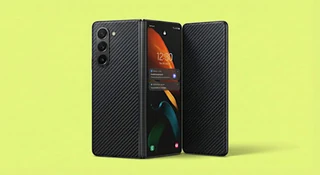
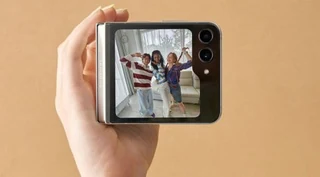
Galaxy Z Flip7 · E wātea ana ki ngā whatunga katoa vs Google Pixel Fold · E wātea ana ki ngā whatunga katoa

  • Pūtāhui kotahi tau
  • Shipping rates shown at checkout
  • Ka taea te whakahoki i roto i ngā rā 14 (ka pā ngā tikanga tuku whakahoki)
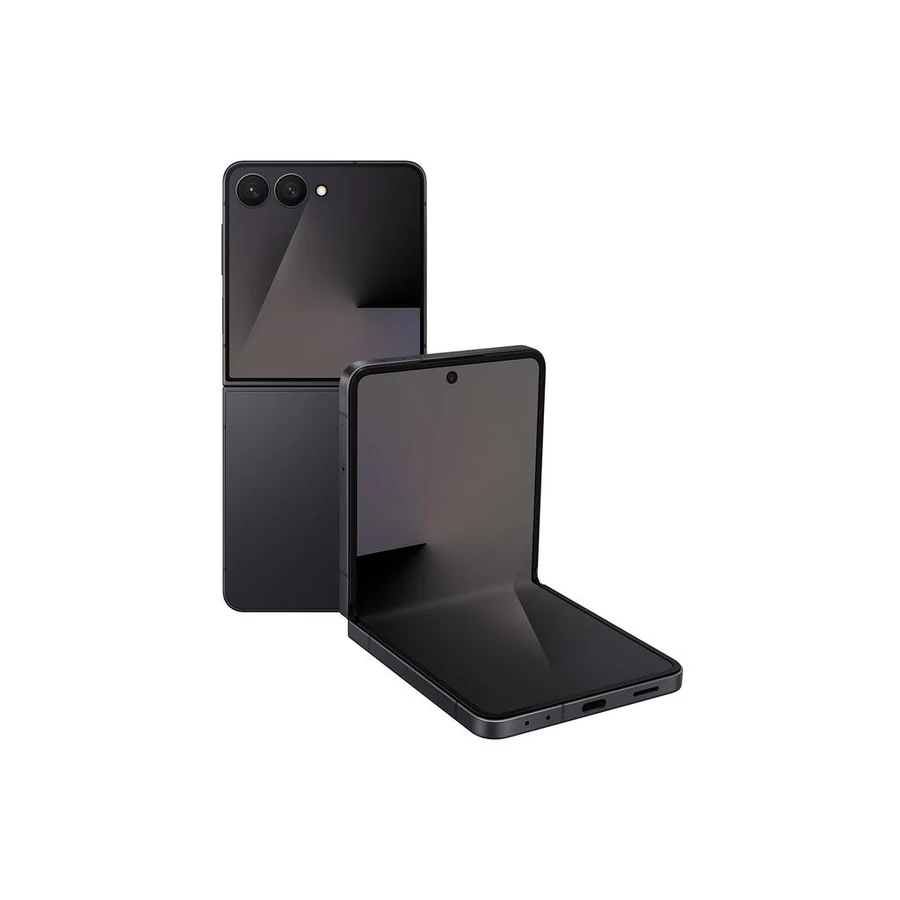
Galaxy Z Flip7 · E wātea ana ki ngā whatunga katoa
Mai i

Utu mō te mea kua whakahoungia:USD 203 $

Utu mō te mea hou · USD 999 $

Tirohia ngā kōwhiringa
Google Pixel Fold · E wātea ana ki ngā whatunga katoa
Mai i

Utu mō te mea kua whakahoungia:USD 170 $

Utu mō te mea hou · USD 1799 $

Tirohia ngā kōwhiringa

He tirohanga poto ki ngā rerekētanga

The Samsung Galaxy Z Flip7 (2025) and the Google Pixel Fold (2023) represent two entirely different interpretations of foldable smartphone design. While the Galaxy Z Flip7 adopts a compact clamshell form factor that folds into a pocket-friendly square, the Google Pixel Fold utilizes a book-style design that opens into a mini tablet. Both devices run on the Android operating system, yet they target vastly different user habits through their distinct hardware layouts and physical footprints.

Ngā tauira e wātea ana

Tae

Storage (GB)

Ngā kaute

Te pakari

Comparing these devices reveals notable differences in release timelines, hardware longevity, and anticipated software support lifespans.

  • Release Timeline and Software Support: The Galaxy Z Flip7 launched in 2025 with current-generation Android software, positioning it for an extended multi-year update window. The Google Pixel Fold debuted in 2023, meaning it sits further along its official software support cycle.
  • Repairability and Build Maintenance: Both foldable form factors incorporate complex hinge mechanisms and flexible screen layers that require careful handling, though standard drop protection features help guard against everyday wear.
  • Expected Practical Lifespan: Users seeking maximum software longevity will find the newer Galaxy Z Flip7 offers a longer window of future operating system updates, while the Pixel Fold remains functional for standard daily tasks.

Te tau i tukuna ai

2025

2023

Te pūnaha whakahaere hototahi hōu rawa

Āe

—

Pūnaha whakahaere

Android

Android

Foldable

Āe

Āe

Te kaha mahi

System responsiveness and daily multitasking capabilities vary due to the generation gap in their internal processors and hardware configurations.

  • Storage and Multitasking RAM: Both models provide generous baseline storage options starting at 256GB accompanied by 12GB of RAM, ensuring smooth handling of background tasks and app switching.
  • Everyday Speed and App Loading: The Galaxy Z Flip7 handles demanding applications, graphics-heavy gaming, and rapid app launching with fluid thermal efficiency, whereas the Pixel Fold manages daily communication and media streaming reliably using its established processor architecture.
  • Battery Behavior: The Galaxy Z Flip7 features a refined battery capacity designed to sustain a full day of standard use, while the Pixel Fold's larger physical cell powers two distinct display panels under similar daily workloads.

Te kounga o te mata

Display configurations define the core user experience, contrasting a traditional tall screen that folds in half with a wide dual-screen setup.

  • Display Technology: The Galaxy Z Flip7 uses a flexible OLED panel on the inside paired with a large exterior cover screen for quick interactions, while the Pixel Fold opens from a standard outer display into an expansive square interior screen.
  • Outdoor Visibility and Brightness: Both devices offer high peak brightness levels and vibrant color reproduction, ensuring content remains legible under direct sunlight or in brightly lit environments.
  • Refresh Rate and Fluidity: Adaptive refresh rates up to 120Hz are standard on both models, delivering smooth scrolling through web pages, documents, and social media feeds.

Taumira

—

1840 x 2208

Te momo mata

Foldable Dynamic LTPO AMOLED 2X

Foldable OLED, 120Hz, HDR10+, 1000 nits (HBM), 1450 nits (peak)

Te ataata me te oro

Photography and media consumption setups differ significantly based on the physical arrangement of the camera lenses and built-in speaker systems.

  • Camera System Capabilities: The Galaxy Z Flip7 pairs a high-resolution main sensor with an ultra-wide lens, utilizing its folding design for hands-free framing. The Google Pixel Fold incorporates a triple-lens rear array featuring dedicated optical zoom capabilities.
  • Low-Light and Video Performance: Both smartphones deliver clear low-light imagery and stable video recording, leaning on computational processing to balance shadows and highlights in challenging lighting conditions.
  • Audio Output and Media: Stereo speakers on both devices provide balanced sound output for hands-free calls, podcasts, and casual video playback without requiring external accessories.

Ētahi atu āhuatanga

Practical physical attributes shape how easily each device integrates into pockets, bags, and daily travel routines.

  • Connectivity and Ports: Both models support 5G cellular networks, modern Wi-Fi standards, and Bluetooth connectivity, relying on reversible USB-C ports for charging and data transfer.
  • Authentication Sensors: Secure unlocking is handled via responsive fingerprint sensors integrated into the power keys alongside facial recognition options.
  • Dimensions and Handling: The Galaxy Z Flip7 weighs 188 grams and folds into a compact square shape that slips easily into small pockets, while the Pixel Fold weighs 283 grams and offers a wider, heavier profile designed for dual-handed tablet use. Opting for a quality-assured refurbished option provides a sustainable choice for acquiring these advanced form factors.

Taumaha

—

19 oz

Te rahi o te mata (inihi)

6.9

7.6

Whatunga

5G

5G

Kāri SIM

Physical SIM + eSIM

E rua ngā SIM ā-tinana

Carrier compatibility

E wātea ana ki ngā whatunga katoa

E wātea ana ki ngā whatunga katoa

Tūhono

USB-C

USB-C (USB 3)

Ngā whakaaro o te hapori

Users evaluating these foldables will find that choice largely depends on preferred physical proportions and daily workflow needs. Individuals who favor a pocket-friendly clamshell design that minimizes footprint when not in use often lean toward the Galaxy Z Flip7. Conversely, users who want an expansive, tablet-sized inner screen for reading, multitasking, and media viewing gravitate naturally toward the book-style layout of the Google Pixel Fold. Reviewers and community members frequently highlight the Pixel Fold for its expansive multitasking workspace, while praising the Z Flip7 for its lightweight portability and modern internal hardware.

Reviewing available options through a quality-assured refurbished option can help eco-conscious consumers make a sustainable choice without compromising on hardware capability. Evaluating personal preferences regarding screen shape and portability will ultimately guide the right decision for your daily routine.
Ā mātou whakataurite hou

WhatsApp