
Compare models
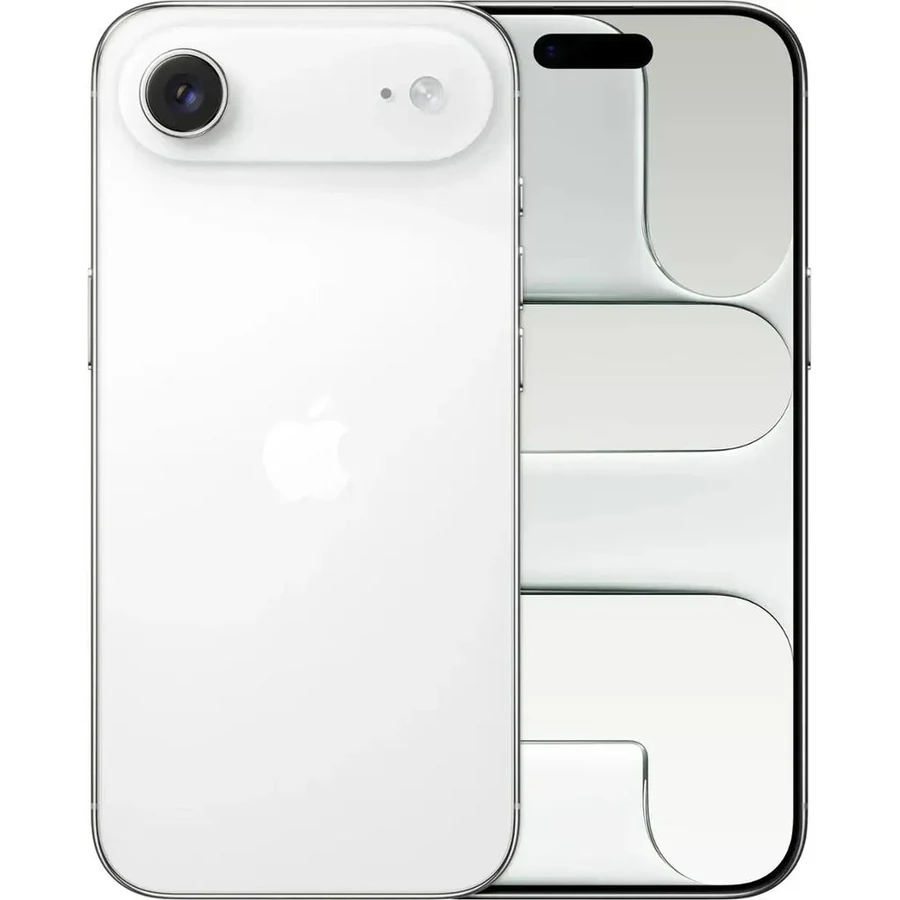
Galaxy Z Flip5 · Débloqué vs iPhone Air · Débloqué
- Garantie d’un an
- Shipping rates shown at checkout
- Retours sous 14 jours (conditions de renvoi applicables)
Les différences en un coup d’œil
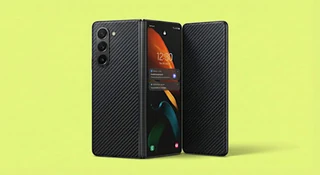
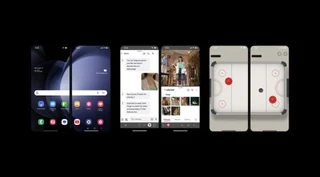
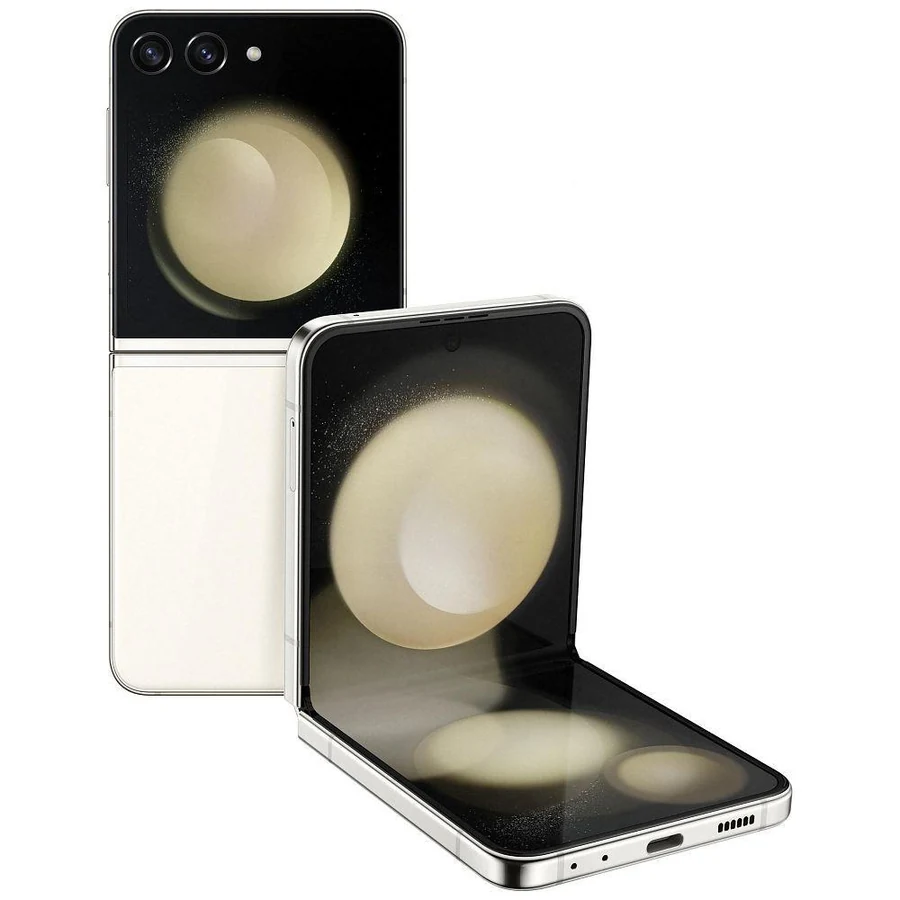
The Samsung Galaxy Z Flip5 (2023) and the Apple iPhone Air (2025) represent two distinct visions of modern smartphone design, contrasting a foldable clamshell concept with an ultra-slim slate form factor. While the Galaxy Z Flip5 folds in half for compact pocket storage and features an Android operating system, the iPhone Air utilizes iOS and focuses on an exceptionally thin, lightweight profile. These mechanical and platform differences define two unique approaches to everyday mobile computing.
Modèles disponibles
Couleur
Storage (GB)
Notes
Durabilité
Both devices offer distinct hardware longevity profiles shaped by their release timelines, software maintenance schedules, and physical designs.
- Software support timelines: The iPhone Air benefits from Apple's extended iOS update window, whereas the Galaxy Z Flip5 operates on Android with a standard multi-year update roadmap.
- Physical durability: The iPhone Air relies on a rigid titanium frame and reinforced glass, while the Galaxy Z Flip5 features a folding internal screen mechanism that requires careful handling over extended years of use.
- Repairability and lifespan: Traditional slate construction like the iPhone Air generally simplifies structural upkeep compared to flexible folding displays, though both models are engineered to sustain standard daily wear.
Année de sortie
2023
2025
Dernier système compatible
Oui
Oui
Système d’exploitation
Android
iOS
Foldable
Oui
Non
Performances
Underneath their distinct exteriors, both smartphones handle daily tasks, navigation, and demanding applications through modern processing architectures and optimized software environments.
- App loading and multitasking: Both devices switch rapidly between open applications and load resource-heavy programs smoothly without noticeable stutter.
- Gaming and sustained performance: Each model maintains stable frame rates during extended gaming sessions, though heat dissipation varies due to the ultra-thin housing of the iPhone Air and the folded layers of the Z Flip5.
- Storage and battery behavior: The Galaxy Z Flip5 provides balanced everyday battery endurance within a compact footprint, while the iPhone Air optimizes power efficiency to support its slim chassis through a full day of mixed use.
Qualité de l’écran
Visual delivery differs significantly based on screen technology, shape conventions, and layout flexibility implemented by each manufacturer.
- Display technology: The Galaxy Z Flip5 utilizes a foldable organic light-emitting diode panel paired with a functional outer cover screen, while the iPhone Air employs a large, high-resolution OLED display with deep contrast and vibrant colors.
- Brightness and outdoor visibility: Both screens reach high peak brightness levels to maintain clarity under direct sunlight, ensuring legible text and images outdoors.
- Refresh rate and fluidity: Both panels support high refresh rates up to 120Hz, delivering smooth scrolling through web pages, documents, and user interface menus.
Résolution
1080 x 2640
2736x1260
Type d’écran
Foldable Dynamic AMOLED 2X
Super Retina XDR
Image et son
Media creation and consumption capabilities reflect different design priorities, balancing multi-lens versatility with single-sensor minimalism.
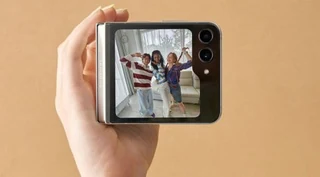
- Camera system layout: The Galaxy Z Flip5 features dual rear lenses including an ultra-wide option, whereas the iPhone Air adopts a single high-resolution main sensor housed within a slim profile.
- Low-light and everyday photography: Both devices capture detailed images and balanced colors in standard lighting, relying on computational processing to manage challenging lighting environments.
- Audio output: The iPhone Air utilizes optimized mono or paired speaker configurations for casual media listening, while the Galaxy Z Flip5 delivers balanced stereo sound suitable for video playback.
Appareil photo principal
12 megapixels
48 megapixels
Caméra avant
10 megapixels
18 megapixels
Autres caractéristiques
Physical dimensions, weight distribution, and connectivity features influence how each device integrates into daily routines and travel.
- Form factor and handling: The Galaxy Z Flip5 folds down into a square shape that fits easily into small pockets, whereas the iPhone Air offers a wide, ultra-thin slate profile that distributes weight evenly across the hand.
- Biometric security: The Galaxy Z Flip5 uses a side-mounted fingerprint sensor integrated into the power button, while the iPhone Air relies on facial recognition technology.
- Connectivity and ports: Both models support current-generation 5G networks and fast wireless connectivity standards, utilizing modern USB-C physical ports for charging and data transfer.
Poids
—
Not available
Diagonale de l’écran (pouces)
6.7
6.5
Réseau
5G
5G
Carte SIM
Physical SIM + eSIM
eSIM
Carrier compatibility
Débloqué
Débloqué
Connecteur
USB-C
USB-C
L’avis de la communauté
User discussions and community feedback indicate that the Galaxy Z Flip5 receives praise for its compact folding convenience, flexible outer screen utility, and distinctive pocket-friendly footprint, though some users note that the folding screen crease and battery capacity require mindful management during heavy usage days. Conversely, the iPhone Air earns positive remarks for its remarkably thin build, lightweight feel, and responsive software environment, though the single rear camera setup is occasionally cited by users who prefer dedicated ultra-wide photography options.
Users prioritizing a pocket-folding footprint and external screen utility may prefer the Galaxy Z Flip5, while users prioritizing an ultra-thin slate design and extensive software longevity may lean toward the iPhone Air. For those exploring sustainable purchasing alternatives, a quality-assured refurbished option from RefurbLane provides an eco-friendly way to acquire either device while reducing electronic waste. Ultimately, the right choice depends on whether a folding clamshell mechanism or a slim traditional profile best fits your daily workflow.