
Compare models

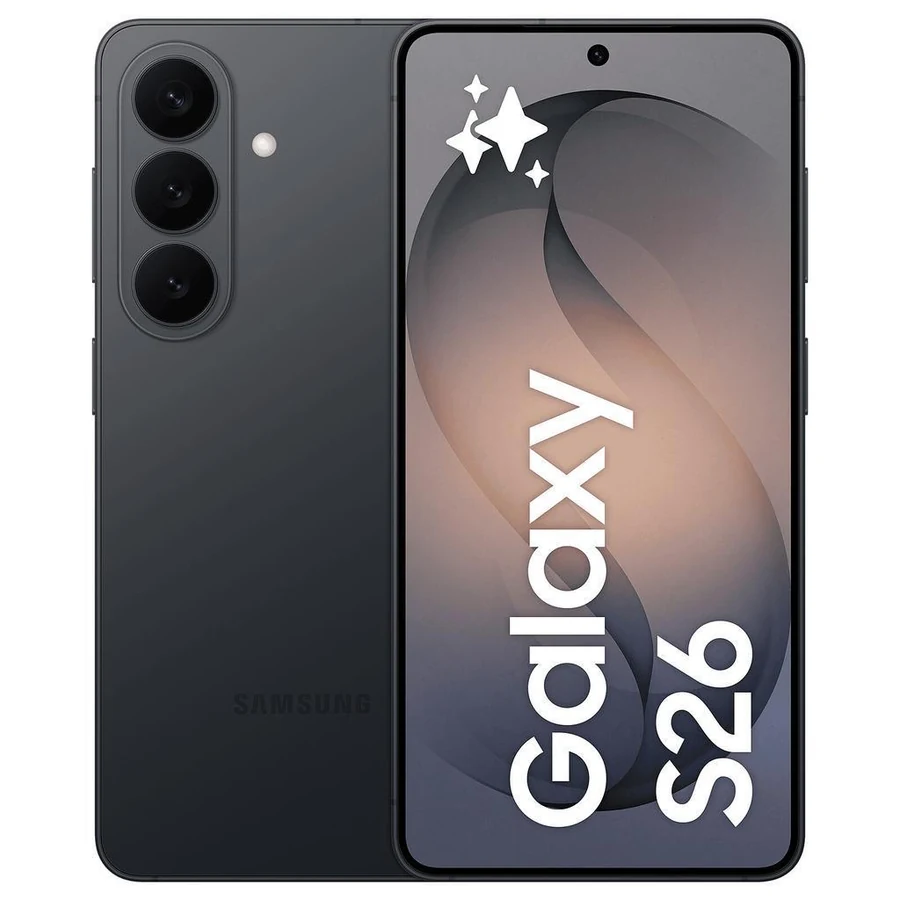
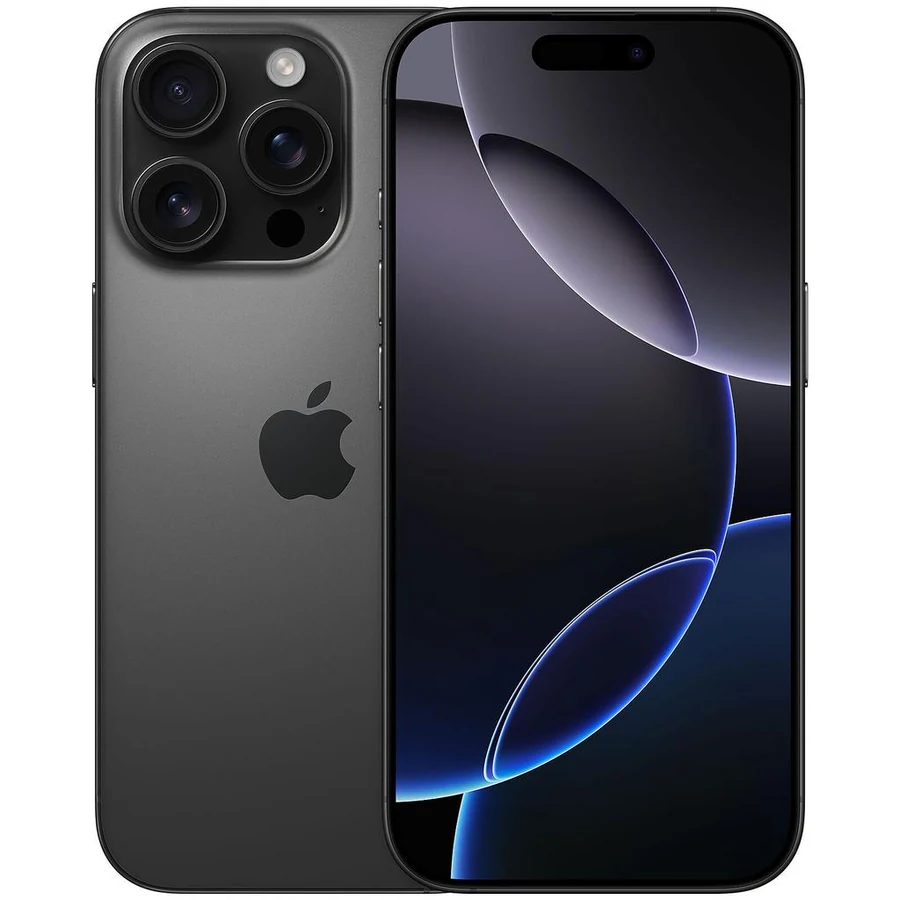
Galaxy S26 · E wātea ana ki ngā whatunga katoa vs iPhone 16 Pro · E wātea ana ki ngā whatunga katoa

  • Pūtāhui kotahi tau
  • Shipping rates shown at checkout
  • Ka taea te whakahoki i roto i ngā rā 14 (ka pā ngā tikanga tuku whakahoki)
Galaxy S26 · E wātea ana ki ngā whatunga katoa
Mai i

Utu mō te mea kua whakahoungia:USD 197 $

Utu mō te mea hou · USD 899 $

Tirohia ngā kōwhiringa
iPhone 16 Pro · E wātea ana ki ngā whatunga katoa
Mai i

Utu mō te mea kua whakahoungia:USD 242 $

Utu mō te mea hou · USD 999 $

Tirohia ngā kōwhiringa

He tirohanga poto ki ngā rerekētanga

The Samsung Galaxy S26 (2026) and the Apple iPhone 16 Pro (2024) represent high-end smartphone engineering from their respective ecosystems. While they run on different operating systems—Android and iOS—they target similar users looking for compact high-performance devices, though they differ significantly in design geometry, camera philosophy, and interface customization.

Ngā tauira e wātea ana

Tae

Storage (GB)

Ngā kaute

Te pakari

Both flagship models are built for longevity, receiving multi-year manufacturer support and utilizing durable materials designed to withstand daily wear.

  • Software Support: Both devices offer extended operating system upgrade paths, ensuring security and feature updates for several years following their respective release dates.
  • Hardware Durability: Each model incorporates hardened glass fronts, scratch-resistant shielding, and high water-resistance ratings to protect against accidental spills and drops.
  • Repairability: Both manufacturers provide structured repair programs, though component availability and modular design differences mean service complexity varies by regional support networks.

Te tau i tukuna ai

2026

2024

Te pūnaha whakahaere hototahi hōu rawa

—

Āe

Foldable

Kāo

Kāo

Te kaha mahi

Equipped with current-generation internal architecture, both smartphones handle intensive workflows, heavy multitasking, and modern gaming without noticeable stutter.

  • App Responsiveness: Applications launch instantly, and system-wide navigation remains fluid thanks to optimized memory management and high-frequency processing units.
  • Multitasking: Generous random access memory capacity lets users switch rapidly between demanding productivity tools, media players, and background tasks.
  • Thermal Efficiency: Both handsets manage heat dissipation effectively during extended gaming sessions, preventing performance throttling during sustained loads.

Te kounga o te mata

The visual panels on both phones deliver deep contrast, rich color reproduction, and high peak brightness levels for comfortable viewing in diverse lighting conditions.

  • Display Technology: Advanced organic light-emitting diode panels ensure absolute blacks and vibrant color saturation across all media types.
  • Outdoor Visibility: High maximum brightness thresholds allow for clear legibility even under direct sunlight.
  • Auau tāmata: Adaptive high refresh rates provide smooth scrolling through web pages and fluid animations throughout the user interface.

Taumira

—

1206 x 2622

Te momo mata

Dynamic LTPO AMOLED 2X

LTPO Super Retina XDR OLED

Te ataata me te oro

Photography and video recording suites on both devices cater to casual shooters and mobile creators alike through versatile multi-lens configurations.

  • Everyday and Low-Light Imaging: Advanced sensor hardware combined with computational photography captures sharp details and balanced exposures in challenging lighting environments.
  • Video Capabilities: Both models support high-resolution video recording with advanced stabilization features to minimize hand shake during movement.
  • Audio and Media Output: Stereo speaker setups deliver clear dialogue and balanced sound profiles for hands-free calls and media consumption.

Kāmera matua

—

48 megapixels

Kāmera o mua

—

12 megapixels

Ētahi atu āhuatanga

Practical daily usability features round out both packages, offering modern connectivity standards and ergonomic physical profiles.

  • Hononga: Comprehensive support for high-speed cellular networks, modern wireless protocols, and precise positioning sensors ensures reliable connections everywhere.
  • Interface Ports: Both devices utilize universal reversible connection standards for wired charging and data transfers.
  • Physical Ergonomics: Slim profiles and balanced weight distributions make both handsets comfortable for one-handed operation during long periods.

Taumaha

—

7.02 oz (199 g)

Te rahi o te mata (inihi)

6.3

6.3

Whatunga

5G

5G

Kāri SIM

Dual Physical SIM + eSIM

eSIM

Carrier compatibility

E wātea ana ki ngā whatunga katoa

E wātea ana ki ngā whatunga katoa

Tūhono

USB-C

USB-C (USB 3)

Ngā whakaaro o te hapori

Deciding between the Galaxy S26 and the iPhone 16 Pro largely depends on personal preference regarding software ecosystems and interface design. Users who prefer deep customization, flexible file management, and Android-based workflows often lean toward the Galaxy device. Conversely, individuals embedded within the Apple ecosystem who prioritize seamless integration with other Apple hardware frequently favor the iPhone 16 Pro.

Reviewers and everyday owners praise both smartphones for their reliable battery longevity, responsive interfaces, and high-resolution camera outputs. Some users note that mastering advanced settings on either device can take time, while others mention that heavy use of resource-intensive tasks will drain the battery before the end of the day on both models. For buyers seeking a sustainable choice, choosing a quality-assured refurbished option provides an eco-friendly alternative that reduces electronic waste without sacrificing modern device capabilities.


Ā mātou whakataurite hou

WhatsApp