
Compare models

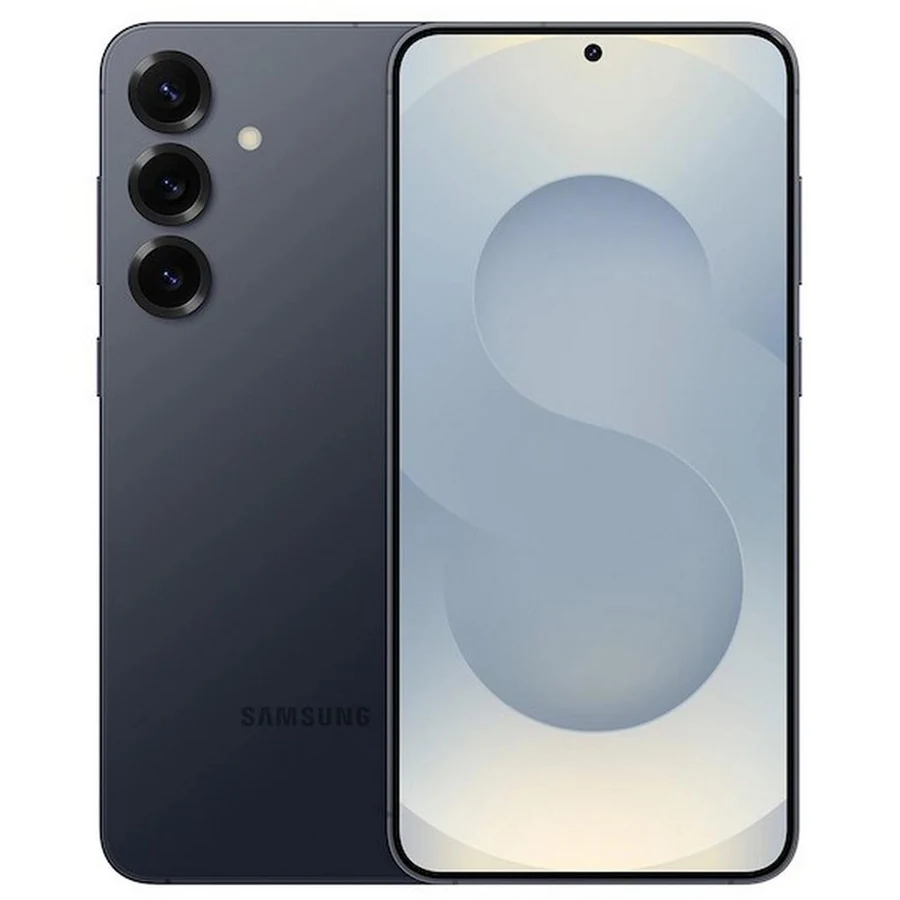
Galaxy S25+ · E wātea ana ki ngā whatunga katoa vs iPhone 17 · E wātea ana ki ngā whatunga katoa

  • Pūtāhui kotahi tau
  • Shipping rates shown at checkout
  • Ka taea te whakahoki i roto i ngā rā 14 (ka pā ngā tikanga tuku whakahoki)
Galaxy S25+ · E wātea ana ki ngā whatunga katoa
Mai i

Utu mō te mea kua whakahoungia:USD 204 $

Utu mō te mea hou · USD 999.99 $

Tirohia ngā kōwhiringa
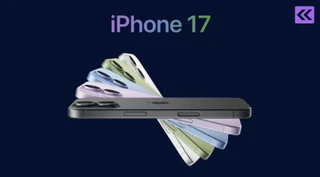
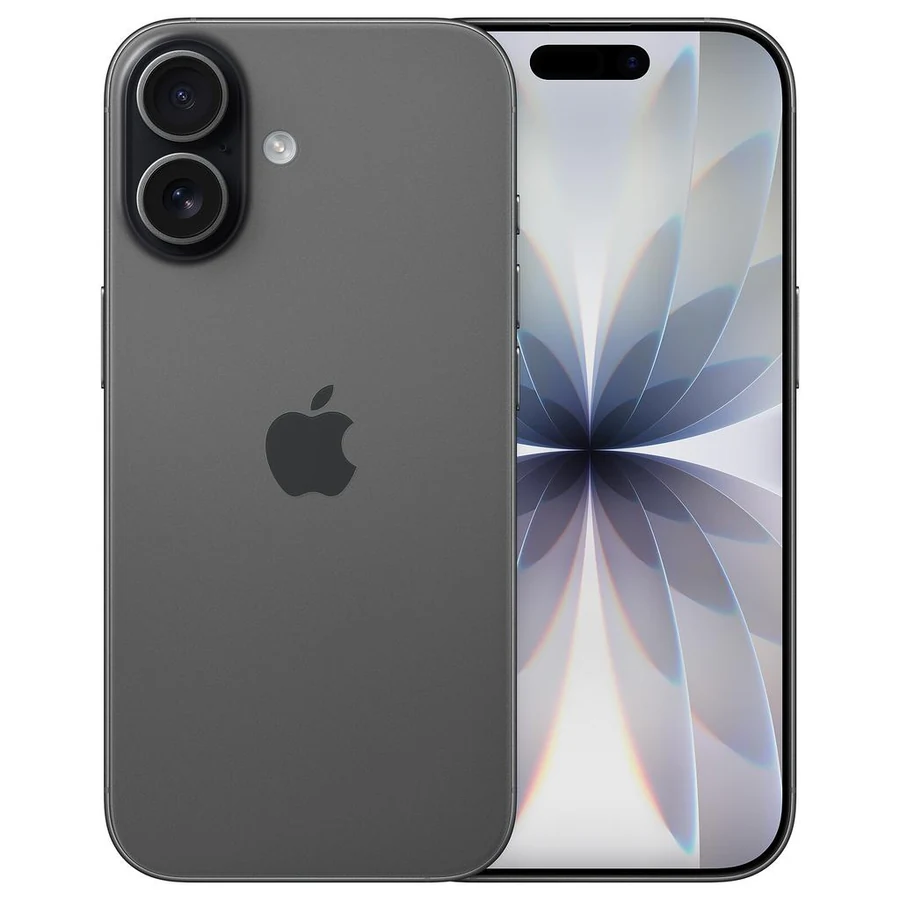
iPhone 17 · E wātea ana ki ngā whatunga katoa
Mai i

Utu mō te mea kua whakahoungia:USD 249 $

Utu mō te mea hou · USD 929 $

Tirohia ngā kōwhiringa

He tirohanga poto ki ngā rerekētanga

The Samsung Galaxy S25+ (2025) and the Apple iPhone 17 (2025) represent contemporary options in the large-screen smartphone category. While both devices offer high-end performance and modern features, they run on different operating systems and cater to distinct user preferences regarding physical size and ecosystem integration.

Ngā tauira e wātea ana

Tae

Storage (GB)

Ngā kaute

Te pakari

Both smartphones launched within months of each other and are built to remain current for years, though their software ecosystems and support timelines differ.

  • Software Support: The Galaxy S25+ features extended software update commitments spanning multiple years, while the iPhone 17 benefits from Apple's traditionally long update lifecycles.
  • Build Durability: Both devices incorporate robust water and dust resistance ratings alongside reinforced glass panels to handle daily wear and tear.
  • Repairability: Both manufacturers provide structured repair frameworks, though long-term longevity depends heavily on battery retention over years of daily charging cycles.

Te tau i tukuna ai

2025

2025

Te pūnaha whakahaere hototahi hōu rawa

Kāo

Āe

Pūnaha whakahaere

Android

iOS

Foldable

Kāo

Kāo

Te kaha mahi

Both models handle demanding applications, intensive multitasking, and everyday navigation with ease, though they approach resource management through different hardware configurations.

  • Processing Power: Each device utilizes a current-generation processor capable of launching heavy apps instantly and maintaining smooth frame rates during gaming.
  • Multitasking: Generous memory allocations on both models allow background apps to remain active without requiring frequent reloads.
  • Battery Behavior: The Galaxy S25+ features a larger physical battery capacity suited for extended use, while the iPhone 17 relies on efficient power management to sustain everyday routines on a single charge.

Te kounga o te mata

The Galaxy S25+ and iPhone 17 deliver bright, responsive visual experiences, though they differ slightly in panel dimensions and resolution profiles.

  • Display Technology: Both devices employ advanced OLED panels that produce deep contrast levels, vibrant colors, and sharp text rendering.
  • Outdoor Visibility: High peak brightness levels on both screens ensure legibility even under direct sunlight.
  • Auau tāmata: Smooth adaptive refresh rates up to 120Hz make scrolling and animations fluid across both interfaces.

Taumira

1440x3120

2622x1206

Te momo mata

Dynamic LTPO AMOLED 2X

Super Retina XDR

Te ataata me te oro

Equipped with capable multi-lens configurations, both smartphones capture detailed photos and stable video in diverse lighting conditions.

  • Lens Versatility: The Galaxy S25+ includes a dedicated telephoto lens for optical zoom reach, whereas the iPhone 17 focuses on high-resolution main and ultra-wide sensors with advanced computational photography.
  • Video Recording: Both phones provide high-resolution video capture options with stabilization features suitable for home videos and casual content creation.
  • Media Consumption: Stereo speaker setups on both devices deliver balanced audio for podcasts, videos, and music playback.

Ētahi atu āhuatanga

Practical physical and connectivity attributes shape how each device fits into everyday routines and travel.

  • Hononga: Both models support modern 5G networks, fast Wi-Fi standards, and accurate location tracking.
  • Physical Handling: The Galaxy S25+ offers a larger display workspace within a slim profile, whereas the iPhone 17 provides a slightly more compact footprint that is easier to handle with one hand.
  • Port Type: Both devices utilize universal USB-C ports for charging and wired data transfers.

Taumaha

7 oz

6.24 oz (177 g)

Te rahi o te mata (inihi)

6.7

6.3

Whatunga

5G

5G

Kāri SIM

Physical SIM + eSIM

eSIM

Carrier compatibility

E wātea ana ki ngā whatunga katoa

E wātea ana ki ngā whatunga katoa

Tūhono

USB-C

USB-C

Ngā whakaaro o te hapori

User discussions and community feedback indicate that choice between these devices often comes down to software preference and physical dimensions. Users prioritizing a larger workspace and dedicated zoom capabilities frequently gravitate toward the Galaxy S25+, while those seeking a more compact form factor within the iOS ecosystem tend to favor the iPhone 17. For buyers exploring sustainable alternatives, choosing a quality-assured refurbished option provides a practical way to acquire these advanced technologies while supporting eco-friendly purchasing habits. Ultimately, evaluating daily habits regarding operating systems and screen size will guide you toward the right device.

Ā mātou whakataurite hou

WhatsApp