
Compare models

Galaxy S25 FE · E wātea ana ki ngā whatunga katoa vs iPhone 15 · E wātea ana ki ngā whatunga katoa

  • Pūtāhui kotahi tau
  • Shipping rates shown at checkout
  • Ka taea te whakahoki i roto i ngā rā 14 (ka pā ngā tikanga tuku whakahoki)
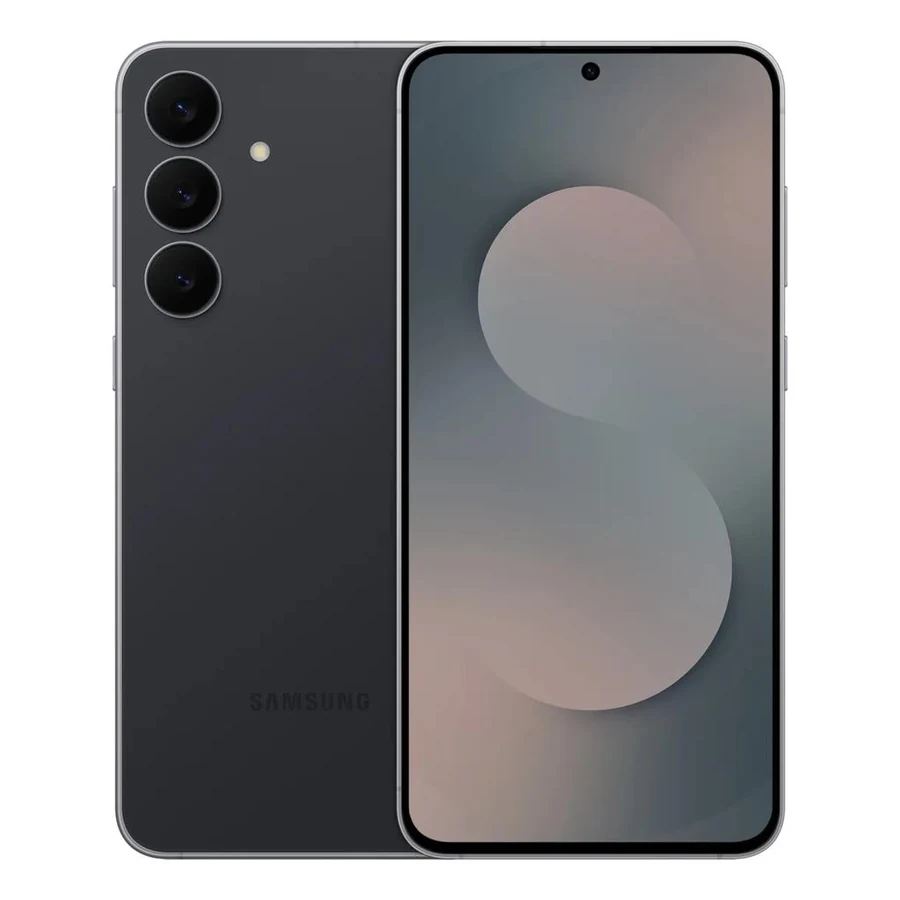
Galaxy S25 FE · E wātea ana ki ngā whatunga katoa
Mai i

Utu mō te mea kua whakahoungia:USD 113 $

Utu mō te mea hou · USD 649 $

Tirohia ngā kōwhiringa
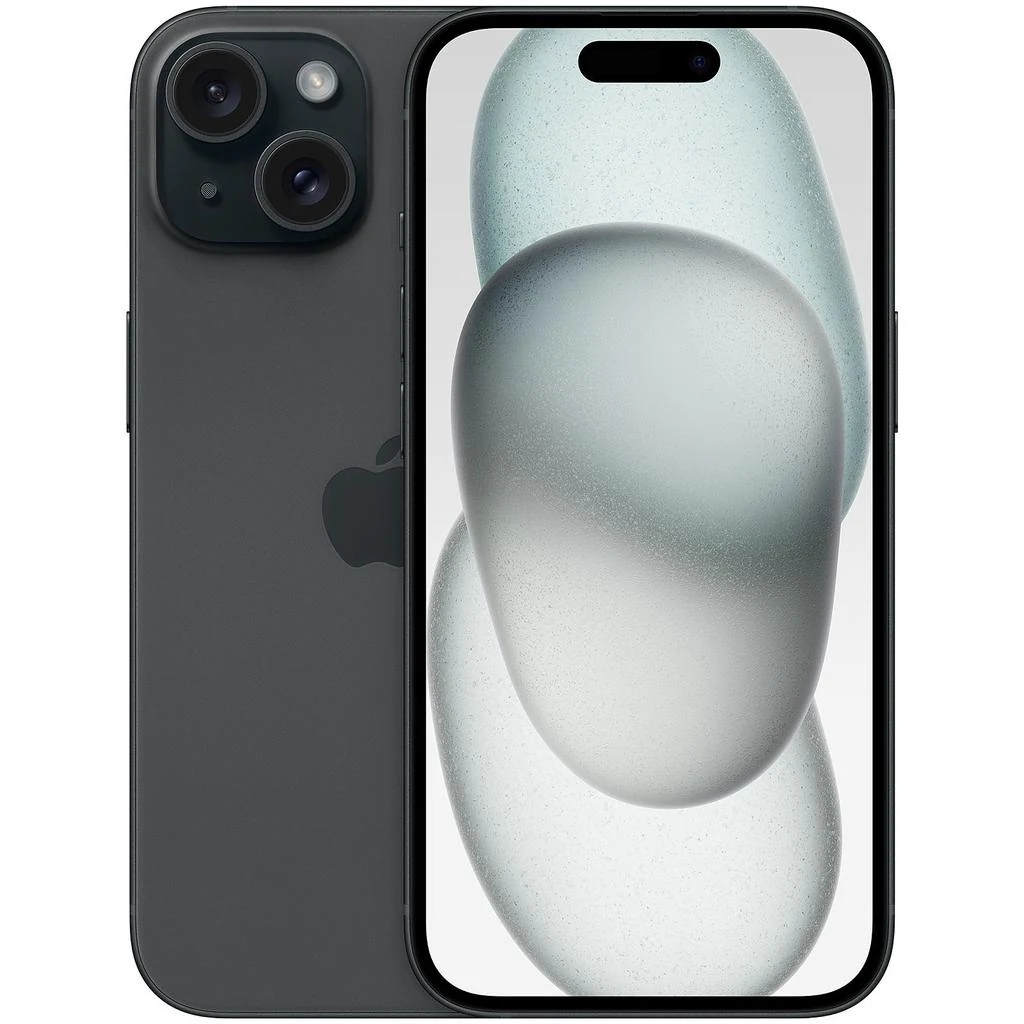
iPhone 15 · E wātea ana ki ngā whatunga katoa
Mai i

Utu mō te mea kua whakahoungia:USD 161 $

Utu mō te mea hou · USD 729 $

Tirohia ngā kōwhiringa

He tirohanga poto ki ngā rerekētanga

The Samsung Galaxy S25 FE (2025) and the Apple iPhone 15 (2023) are popular unlocked smartphones designed to balance everyday usability with modern features. While they operate on different software ecosystems—Android and iOS respectively—they both serve users looking for dependable performance, capable cameras, and reliable daily operation. The primary differentiators lie in their display sizes, refresh rates, and the distinct software experiences they provide.

Ngā tauira e wātea ana

Tae

Storage (GB)

Ngā kaute

Te pakari

Both devices are built to remain functional and secure for years, though their software update timelines and physical designs reflect different manufacturer support models.

  • Software support: The Galaxy S25 FE runs Android with extensive multi-year update commitments, whereas the iPhone 15 relies on Apple's long-standing tradition of supporting devices with consecutive iOS versions for many years.
  • Build durability: Both models feature robust water resistance ratings and reinforced glass surfaces, helping them withstand daily wear and accidental drops over their lifespan.
  • Expected lifespan: Users can expect both handsets to maintain smooth operational capabilities and reliable battery health through standard multi-year upgrade cycles.

Te tau i tukuna ai

2025

2023

Te pūnaha whakahaere hototahi hōu rawa

Kāo

Āe

Pūnaha whakahaere

Android

iOS

Foldable

Kāo

Kāo

Te kaha mahi

Handling daily apps, multitasking, and mobile games smoothly, both smartphones utilize capable internal hardware tailored to their respective operating systems.

  • App responsiveness: Applications open instantly and multitasking between demanding social media or productivity tools feels fluid on both devices.
  • Battery behavior: The Galaxy S25 FE features a larger physical battery capacity suited for extended use, while the iPhone 15 manages power efficiently to reliably last through a standard day of mixed tasks.
  • Storage configurations: Both models offer baseline storage starting at practical capacities alongside higher tiers for users who store extensive media libraries locally.

Te kounga o te mata

Display technology differs noticeably between the two models in terms of size, smoothness, and peak brightness capabilities.

  • Auau tāmata: The Galaxy S25 FE features a smooth 120Hz refresh rate for fluid scrolling, while the iPhone 15 utilizes a standard 60Hz panel.
  • Display panel: Both devices employ advanced OLED technology, delivering deep black levels, high contrast, and vivid color reproduction for viewing photos or watching videos.
  • Viewing space: The Galaxy S25 FE provides a larger 6.7-inch viewing area, whereas the iPhone 15 offers a more compact 6.1-inch form factor that is easier to handle with one hand.

Taumira

1080x2340

1179 x 2556

Te momo mata

Dynamic LTPO AMOLED 2X

Super Retina XDR OLED

Te ataata me te oro

Photography and media consumption setups vary, with each device taking a different approach to lenses and audio reproduction.

  • Camera systems: The Galaxy S25 FE includes a dedicated optical zoom lens alongside its main and ultra-wide sensors, whereas the iPhone 15 relies on high-resolution sensor cropping to provide a multi-level zoom experience.
  • Low-light capture: Both phones handle evening and indoor lighting effectively through automated image processing, producing clear details without excessive noise.
  • Media audio: Stereo speaker setups on both devices deliver balanced sound output for hands-free calls, casual video watching, and listening to music.

Ētahi atu āhuatanga

Practical daily features such as connectivity standards, physical dimensions, and charging ports shape how each phone fits into daily routines.

  • Port type: Both models use modern USB-C connectors for charging and data transfer, aligning with universal cable standards.
  • Biometric security: The Galaxy S25 FE uses an in-display fingerprint reader, while the iPhone 15 utilizes face recognition technology for unlocking and authentication.
  • Handling and weight: The iPhone 15 is lighter and more compact, whereas the Galaxy S25 FE offers a larger footprint that accommodates its expansive screen. Choosing a quality-assured Kua whakahoungia option through platforms like RefurbLane provides an eco-friendly alternative that extends device life cycles.

Taumaha

7 oz

6.03 oz (171 g)

Te rahi o te mata (inihi)

6.7

6.1

Whatunga

5G

5G

Kāri SIM

Physical SIM + eSIM

eSIM

Carrier compatibility

E wātea ana ki ngā whatunga katoa

E wātea ana ki ngā whatunga katoa

Tūhono

USB-C

USB-C (USB 2)

Ngā whakaaro o te hapori

When deciding between these two smartphones, user preferences usually center on screen size, operating system familiarity, and physical handling. Users prioritizing a larger canvas with a smoother refresh rate often lean toward the Galaxy S25 FE, while those who favor a compact, easily pocketable design paired with iOS frequently choose the iPhone 15.

Community discussions frequently highlight the Galaxy S25 FE for its expansive display and versatile triple-camera layout, though some users note its larger size can feel heavy during one-handed use. Conversely, the iPhone 15 receives praise for its comfortable ergonomics and reliable everyday camera performance, though users occasionally mention the standard refresh rate as a drawback compared to competitors. Opting for a quality-assured refurbished option from RefurbLane represents a sustainable choice that reduces electronic waste without compromising on device reliability.

Ā mātou whakataurite hou

WhatsApp