
Compare models

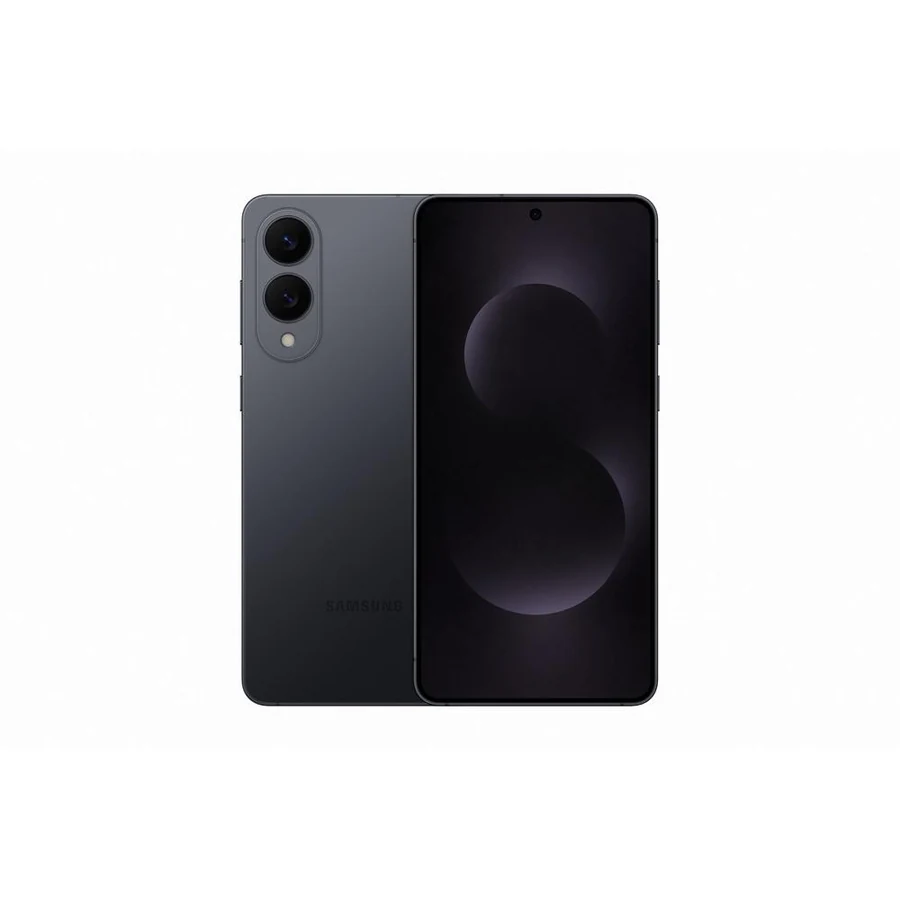
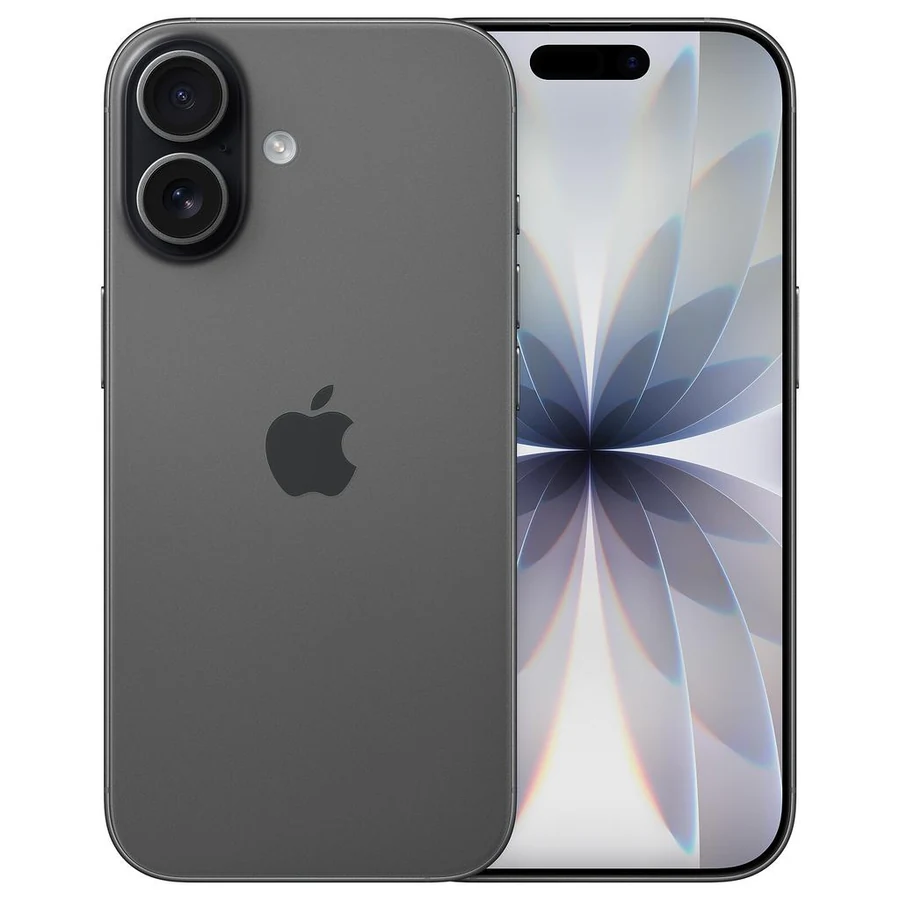
Galaxy S25 Edge · E wātea ana ki ngā whatunga katoa vs iPhone 17 · E wātea ana ki ngā whatunga katoa

  • Pūtāhui kotahi tau
  • Shipping rates shown at checkout
  • Ka taea te whakahoki i roto i ngā rā 14 (ka pā ngā tikanga tuku whakahoki)
Galaxy S25 Edge · E wātea ana ki ngā whatunga katoa
Mai i

Utu mō te mea kua whakahoungia:USD 188 $

Utu mō te mea hou · USD 1099 $

Tirohia ngā kōwhiringa
iPhone 17 · E wātea ana ki ngā whatunga katoa
Mai i

Utu mō te mea kua whakahoungia:USD 249 $

Utu mō te mea hou · USD 929 $

Tirohia ngā kōwhiringa

He tirohanga poto ki ngā rerekētanga

The Samsung Galaxy S25 Edge (2025) and the Apple iPhone 17 (2025) are contemporary flagship smartphones representing two distinct software ecosystems and hardware design philosophies. While both devices target users looking for sleek daily companions, they differ primarily in their operating systems, screen dimensions, and camera configurations. The Galaxy S25 Edge runs Android with Samsung's customized interface, whereas the iPhone 17 operates on Apple's iOS platform.

Ngā tauira e wātea ana

Tae

Storage (GB)

Ngā kaute

Te pakari

Both smartphones launched in 2025, providing modern feature sets and prolonged support cycles suitable for long-term ownership.

  • Software Support: Both manufacturers provide extensive multi-year schedules for system updates and security patches, ensuring the devices remain secure and current over time.
  • Hardware Resilience: Each model incorporates reinforced glass and durable frame materials designed to withstand routine daily wear and accidental drops during travel or commuting.
  • Repairability: Professional repair networks are widely established for both product lines, making component replacements straightforward through quality-assured refurbished options that promote sustainable electronic usage.

Te tau i tukuna ai

2025

2025

Pūnaha whakahaere

Android

iOS

Foldable

Kāo

Kāo

Te kaha mahi

Equipped with current-generation internal hardware, both devices handle demanding applications, rapid multitasking, and immersive gaming smoothly.

  • System Responsiveness: App switching and intensive background tasks run without noticeable stutter or delay on either device thanks to high-capacity memory configurations.
  • Storage Management: Both models offer spacious starting internal storage tiers, accommodating large media libraries and offline files without requiring external expansion cards.
  • Battery Behavior: Battery endurance varies under sustained heavy workloads, though power-efficient processors help both handsets sustain standard daily usage before needing a recharge.

Te kounga o te mata

The two devices feature vibrant display technologies optimized for outdoor visibility, fluid motion, and multimedia consumption.

  • Display Technology: Both utilize advanced organic light-emitting panels that produce deep blacks, high contrast ratios, and sharp text rendering.
  • Refresh Rate and Motion: High refresh rate support ensures fluid scrolling through web pages, documents, and user interface menus.
  • Outdoor Legibility: Peak brightness capabilities allow both screens to remain clearly readable even under direct sunlight during outdoor activities.

Taumira

1440x3120

2622x1206

Te momo mata

LTPO AMOLED 2X

Super Retina XDR

Te ataata me te oro

The camera systems on both handsets capture detailed photos and stable video recordings across various lighting conditions.

  • Main Photography: High-resolution main sensors capture crisp everyday imagery, with sophisticated image processing handling challenging low-light environments effectively.
  • Video Recording: Both devices support high-definition video capture with advanced stabilization features, making them reliable tools for recording motion and family moments.
  • Audio and Media: Integrated stereo speaker setups deliver clear sound output for hands-free calls, podcasts, and casual video playback.

Ētahi atu āhuatanga

Physical dimensions and connectivity standards differ between the two models, influencing ergonomics and day-to-day handling.

  • Form Factor and Weight: The Galaxy S25 Edge offers a slightly larger screen real estate within a slim profile, while the iPhone 17 provides a more compact footprint that is easy to handle with one hand.
  • Hononga: Both models support modern high-speed cellular networks, advanced Wi-Fi standards, and secure wireless pairing protocols.
  • Authentication: Each device provides secure biometric unlocking mechanisms integrated directly into the hardware design.

Taumaha

6 oz

6.24 oz (177 g)

Te rahi o te mata (inihi)

6.7

6.3

Whatunga

5G

5G

Kāri SIM

Physical SIM + eSIM

eSIM

Carrier compatibility

E wātea ana ki ngā whatunga katoa

E wātea ana ki ngā whatunga katoa

Ngā whakaaro o te hapori

Real-world user feedback highlights praise for the sleek physical profiles, reliable daily speed, and vibrant display quality of both models. Some users note that slimmer battery capacities require mindful recharging habits during heavy travel days. Users prioritizing an expansive display and the flexibility of the Android ecosystem often favor the Galaxy S25 Edge, while those who prefer a compact one-handed feel and the streamlined Apple software environment frequently lean toward the iPhone 17. Choosing between them depends largely on preferred operating systems and physical dimensions. Opting for a quality-assured refurbished alternative provides an eco-friendly way to access these features while supporting sustainable technology habits.

Ā mātou whakataurite hou

WhatsApp