
Compare models

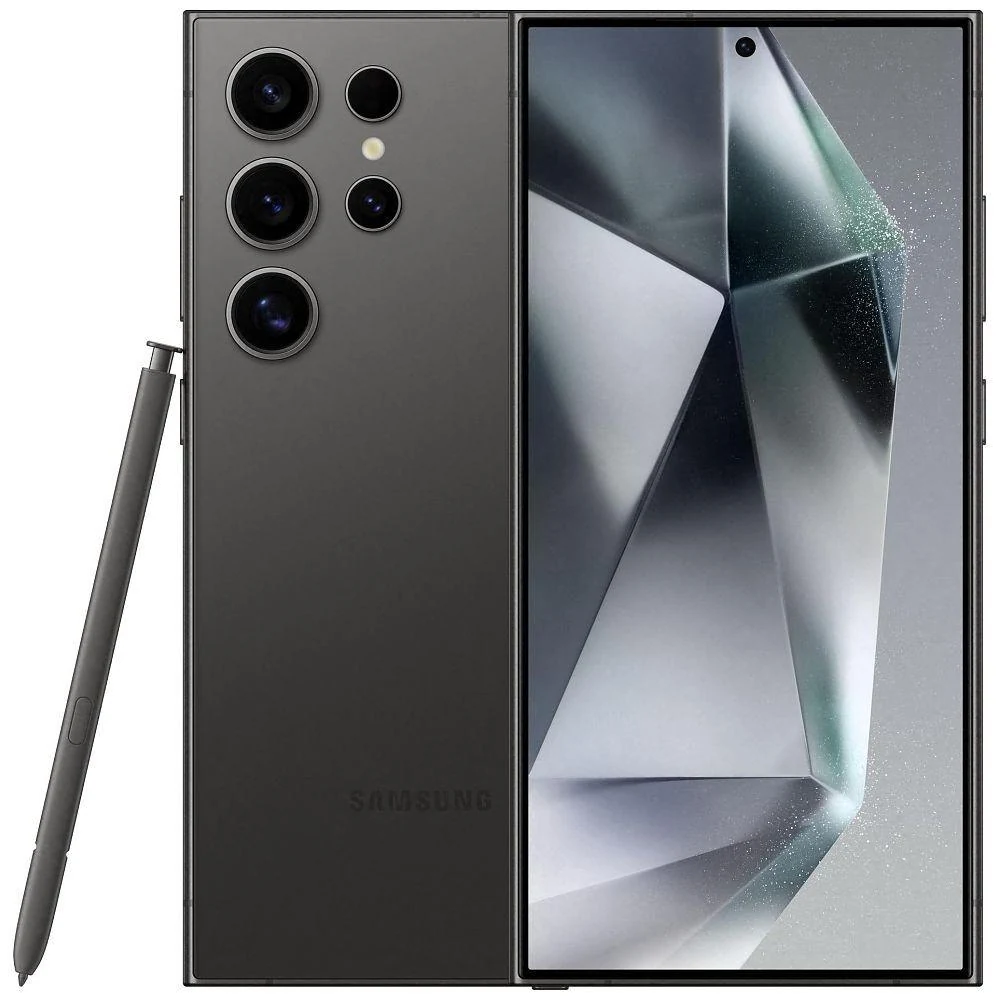
Galaxy S24 Ultra · E wātea ana ki ngā whatunga katoa vs iPhone 17 Pro · E wātea ana ki ngā whatunga katoa

  • Pūtāhui kotahi tau
  • Shipping rates shown at checkout
  • Ka taea te whakahoki i roto i ngā rā 14 (ka pā ngā tikanga tuku whakahoki)
Galaxy S24 Ultra · E wātea ana ki ngā whatunga katoa
Mai i

Utu mō te mea kua whakahoungia:USD 203 $

Utu mō te mea hou · USD 1204 $

Tirohia ngā kōwhiringa
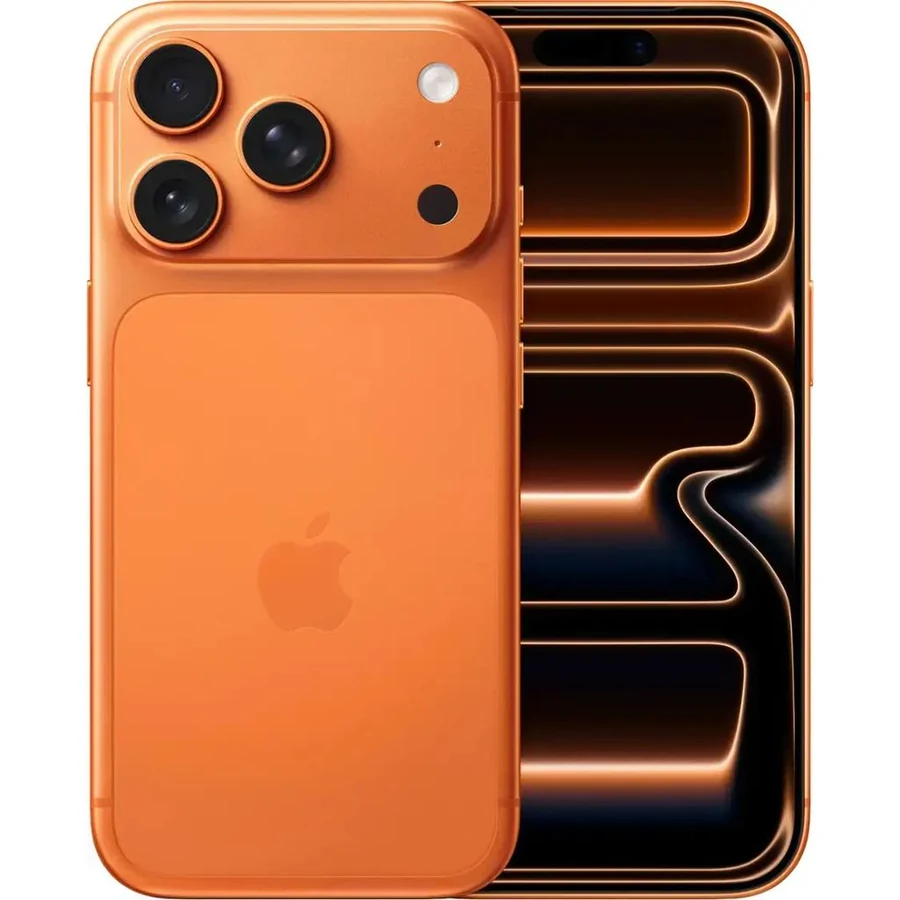
iPhone 17 Pro · E wātea ana ki ngā whatunga katoa
Mai i

Utu mō te mea kua whakahoungia:USD 326 $

Utu mō te mea hou · USD 1099 $

Tirohia ngā kōwhiringa

He tirohanga poto ki ngā rerekētanga

The Samsung Galaxy S24 Ultra (2024) and the Apple iPhone 17 Pro (2025) represent leading flagship tiers within the Android and iOS ecosystems. While both devices cater to users seeking high-end performance, robust build materials, and advanced camera hardware, they differ significantly in their operating systems, design approaches, and software interfaces. Choosing between them often comes down to personal preference for mobile platforms and specific daily workflows.

Ngā tauira e wātea ana

Tae

Storage (GB)

Ngā kaute

Te pakari

Both smartphones are built to remain functional and secure for many years, though their respective manufacturers handle long-term software support through different timelines and update schedules.

    Software longevity: Samsung provides multi-year operating system and security updates starting from its 2024 launch window, while Apple offers a similarly extended update cycle tailored to its 2025 hardware generation.
    Repairability: Both manufacturers design their flagship hardware with modular components, though professional repair accessibility and spare part availability vary by region and service network.
    Practical lifespan: Solid build materials and powerful core hardware ensure that both devices easily maintain reliable performance over several years of standard daily use.

Te tau i tukuna ai

2024

2025

Te pūnaha whakahaere hototahi hōu rawa

Āe

Āe

Pūnaha whakahaere

Android

iOS

Foldable

Kāo

Kāo

Te kaha mahi

Handling demanding workloads, multitasking, and daily application usage is smooth on both devices, though they use different internal architectures to achieve system efficiency.

    App responsiveness: Both devices load heavy applications instantly and maintain high frame rates during extended gaming sessions or complex multimedia processing.
    Multitasking capacity: Generous system memory allocations allow numerous background applications to remain active simultaneously without forcing sudden reloads or slowdowns.
    Battery behavior: Both models manage power efficiently during standard daily tasks, though heavy users running navigation or graphic-intensive games will experience different drain rates depending on usage intensity.

Te kounga o te mata

Display technology on both handsets delivers sharp text reproduction, high peak brightness levels for outdoor readability, and smooth visual transitions.

    Display technology: Both models utilize advanced organic light-emitting diode panels that produce deep black levels, high contrast ratios, and vivid color reproduction.
    Refresh rate smoothness: Adaptive refresh rates scale dynamically up to high frequencies, ensuring fluid scrolling through web pages and responsive touch tracking.
    Outdoor visibility: High maximum brightness thresholds allow both screens to remain clearly legible even under direct sunlight conditions.

Taumira

—

2622x1206

Te momo mata

Dynamic LTPO AMOLED 2X

Super Retina XDR

Te ataata me te oro

Imaging capabilities on both devices accommodate casual point-and-shoot photography alongside detailed professional capture requirements.

    Everyday photography: High-resolution main sensors capture sharp images with accurate color fidelity across diverse lighting conditions, supported by capable ultra-wide options.
    Zoom and low light: The Galaxy S24 Ultra features dedicated long-range optical zoom lenses, while the iPhone 17 Pro relies on high-resolution sensor cropping and refined multi-lens configurations to preserve clarity in dim environments.
    Video and audio: Both smartphones record stabilized video at high resolutions with clear directional audio capture, making them well-suited for content creation and media consumption.

Kāmera matua

200 megapixels

48 megapixels

Kāmera o mua

12 megapixels

18 megapixels

Ētahi atu āhuatanga

Physical dimensions, weight distribution, and connectivity standards shape how each device feels and operates in daily scenarios.

    Build and materials: Both handsets incorporate durable metal frames and reinforced glass fronts designed to resist everyday scuffs and accidental impacts.
    Ergonomics: The Galaxy S24 Ultra features a larger, more squared footprint with an integrated stylus, whereas the iPhone 17 Pro adopts a slightly more compact, rounded form factor that is easier to handle with one hand.
    Hononga: Both models support modern wireless standards, including fast cellular networks and reliable local connectivity protocols.

Taumaha

—

Not available

Te rahi o te mata (inihi)

6.8

6.3

Whatunga

5G

5G

Kāri SIM

Physical SIM + eSIM

eSIM

Carrier compatibility

E wātea ana ki ngā whatunga katoa

E wātea ana ki ngā whatunga katoa

Ngā whakaaro o te hapori

User discussions across online communities frequently highlight the Galaxy S24 Ultra for its expansive screen real estate, integrated stylus functionality, and versatile long-range zoom capabilities. Conversely, the iPhone 17 Pro receives praise for its fluid operating system integration, robust video recording tools, and comfortable, pocket-friendly ergonomics. Common criticisms for both devices generally focus on their substantial physical footprint compared to standard-sized smartphones and their high initial retail costs when purchased brand new.

Users prioritizing productivity tools, advanced zoom photography, and the Android ecosystem may prefer the Galaxy S24 Ultra, while users seeking seamless integration with Apple services, refined video production features, and a slightly more compact build will likely lean toward the iPhone 17 Pro. For those looking to make a sustainable choice, opting for a quality-assured refurbished option through RefurbLane provides a reliable way to access these high-end features while reducing electronic waste.

Ā mātou whakataurite hou

WhatsApp