
Compare models

Galaxy S24 FE · E wātea ana ki ngā whatunga katoa vs iPhone Air · E wātea ana ki ngā whatunga katoa

  • Pūtāhui kotahi tau
  • Shipping rates shown at checkout
  • Ka taea te whakahoki i roto i ngā rā 14 (ka pā ngā tikanga tuku whakahoki)
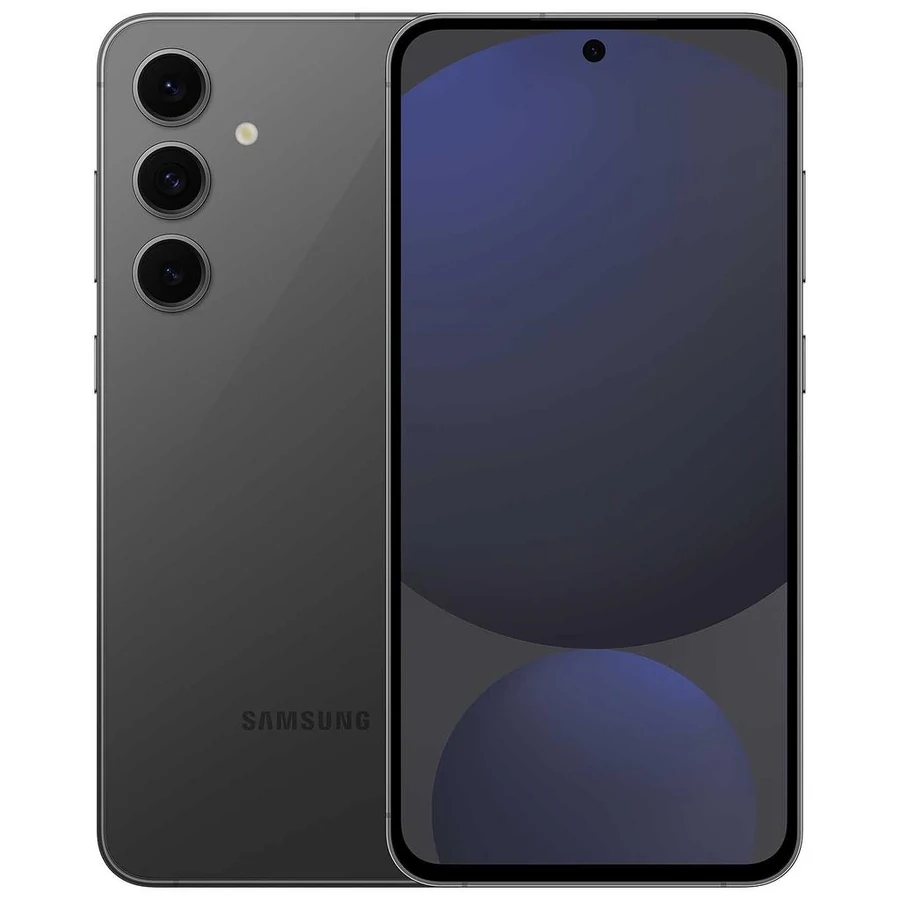
Galaxy S24 FE · E wātea ana ki ngā whatunga katoa
Mai i

Utu mō te mea kua whakahoungia:USD 87 $

Utu mō te mea hou · USD 589.99 $

Tirohia ngā kōwhiringa
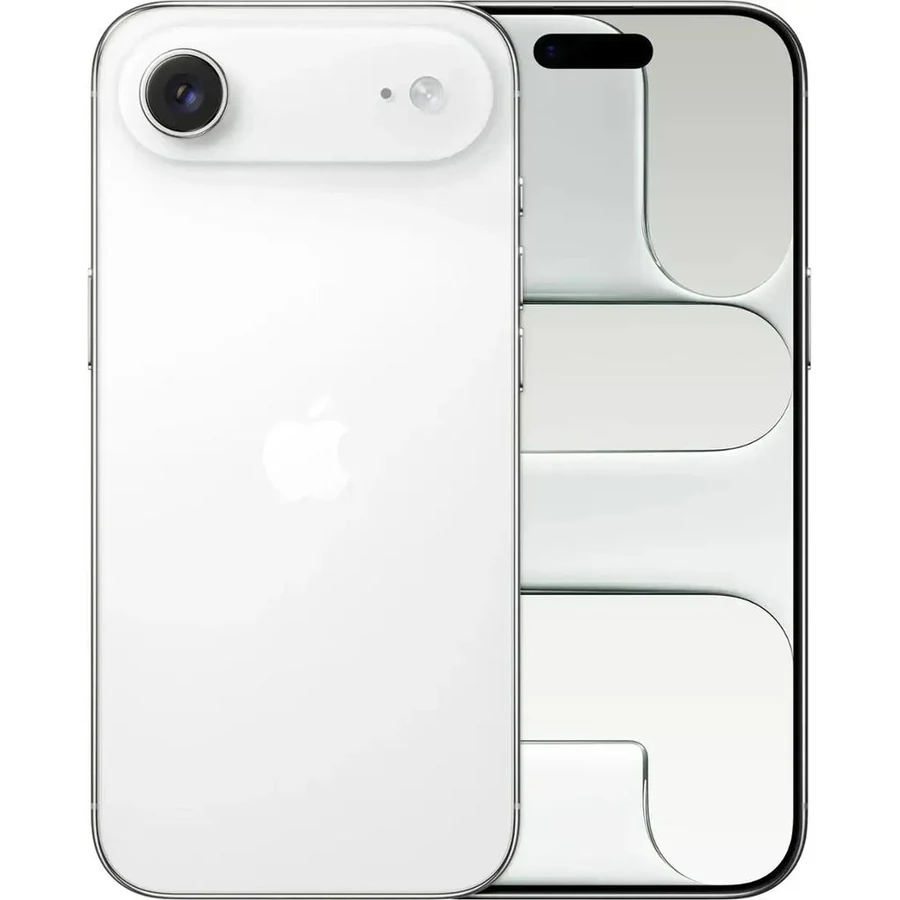
iPhone Air · E wātea ana ki ngā whatunga katoa
Mai i

Utu mō te mea kua whakahoungia:USD 269 $

Utu mō te mea hou · USD 1099 $

Tirohia ngā kōwhiringa

He tirohanga poto ki ngā rerekētanga

The Samsung Galaxy S24 FE (2024) and the Apple iPhone Air (2025) are modern smartphones that approach everyday mobile computing through distinct design philosophies and operating systems. While the Galaxy S24 FE focuses on delivering core productivity features within the Android ecosystem, the iPhone Air prioritizes an ultra-slim profile and lightweight form factor running iOS. These structural differences shape how each device handles daily tasks and media consumption.

Ngā tauira e wātea ana

Tae

Storage (GB)

Ngā kaute

Te pakari

Both devices are built to handle long-term daily use, though their software support timelines and hardware architectures differ. Samsung provides extensive software update commitments for its device, while Apple pairs high-end internal components with robust operating system longevity.

  • Software Support: Both manufacturers deliver long-term operating system updates and security patches, ensuring both models remain current for years.
  • Build Durability: The Galaxy S24 FE utilizes reinforced glass and aluminum frames, whereas the iPhone Air features a titanium frame and specialized glass protection for structural rigidity.
  • Repair Ecosystem: Standardized component replacement options are available for both ecosystems, supported by structured repair networks.

Te tau i tukuna ai

2024

2025

Te pūnaha whakahaere hototahi hōu rawa

—

Āe

Pūnaha whakahaere

Android

iOS

Foldable

Kāo

Kāo

Te kaha mahi

System responsiveness and daily multitasking capabilities vary based on internal hardware optimization and memory configuration. Both handsets manage demanding applications smoothly, though they handle sustained workloads through different thermal designs.

  • Multitasking and App Loading: Generous memory capacities on both models allow seamless switching between heavy applications without noticeable lag.
  • Battery Behavior: The Galaxy S24 FE includes a larger battery capacity that accommodates intensive full-day usage, while the slimmer profile of the iPhone Air results in more moderate power endurance.
  • Storage Configurations: Both devices offer ample internal storage tiers for media, applications, and offline documents without expandable storage slots.

Te kounga o te mata

Display panels on both devices deliver high clarity, vibrant color accuracy, and smooth motion handling for everyday media consumption. Each screen incorporates high peak brightness levels to maintain visibility in bright outdoor environments.

  • Display Technology: Both models utilize advanced OLED panel technology, offering deep contrast levels and sharp text rendering.
  • Refresh Rate and Smoothness: High adaptive refresh rates ensure fluid scrolling, responsive touch tracking, and smooth animations across all applications.
  • Rahi mata: The Galaxy S24 FE provides a slightly more expansive viewing workspace, whereas the iPhone Air balances screen real estate with a narrower, lighter physical frame.

Taumira

1080 x 2340

2736x1260

Te momo mata

—

Super Retina XDR

Te ataata me te oro

Photography and media recording capabilities reflect distinct engineering choices between multi-lens versatility and minimalist hardware integration. Both systems produce clear, detailed photos and stable video footage under typical lighting conditions.

  • Lens Versatility: The Galaxy S24 FE features a versatile multi-lens rear array including dedicated optical zoom, while the iPhone Air utilizes a single high-resolution primary sensor.
  • Video Recording: Both phones support high-definition video capture with advanced stabilization features for smooth handheld footage.
  • Audio Output: Media playback relies on integrated speaker configurations that deliver clear voice clarity for calls and casual listening.

Kāmera matua

—

48 megapixels

Kāmera o mua

—

18 megapixels

Ētahi atu āhuatanga

Physical dimensions, connectivity standards, and daily ergonomics distinguish how each phone feels and connects in real-world scenarios. Both models integrate modern wireless standards and secure biometric authentication methods.

  • Physical Dimensions: The iPhone Air emphasizes an exceptionally thin and lightweight profile, whereas the Galaxy S24 FE offers a traditional, slightly heavier build that houses a larger internal battery.
  • Hononga: Comprehensive 5G, advanced Wi-Fi protocols, and Bluetooth standards are built into both devices for reliable wireless accessory pairing.
  • Biometrics and Ports: Both units utilize secure facial or in-display fingerprint recognition alongside standard reversible charging ports.

Taumaha

7.51 oz (213 g)

Not available

Te rahi o te mata (inihi)

6.7

6.5

Whatunga

LTE

5G

Kāri SIM

E rua ngā SIM ā-tinana

eSIM

Carrier compatibility

E wātea ana ki ngā whatunga katoa

E wātea ana ki ngā whatunga katoa

Ngā whakaaro o te hapori

User discussions across community forums highlight distinct preferences for each handset. Owners of the Galaxy S24 FE frequently praise its dependable battery longevity, versatile multi-lens camera setup, and comfortable everyday usability. Conversely, admirers of the iPhone Air often emphasize its breakthrough lightweight architecture, sleek titanium build, and fluid operating system integration. Some users note that the slim profile of the iPhone Air involves a trade-off in raw battery endurance, while others mention that the Galaxy S24 FE carries a heavier physical footprint.

Users prioritizing a featherlight physical design and iOS integration will find the iPhone Air well-suited to their needs, while users valuing multi-lens camera flexibility and extended battery performance may prefer the Galaxy S24 FE. Choosing a quality-assured refurbished option provides an eco-friendly path to acquiring these devices while reducing electronic waste. Ultimately, the right choice depends on whether daily routines benefit more from an ultra-thin form factor or a versatile, battery-focused configuration.
Ā mātou whakataurite hou

WhatsApp