
Compare models

Galaxy S23 · E wātea ana ki ngā whatunga katoa vs iPhone Air · E wātea ana ki ngā whatunga katoa

  • Pūtāhui kotahi tau
  • Shipping rates shown at checkout
  • Ka taea te whakahoki i roto i ngā rā 14 (ka pā ngā tikanga tuku whakahoki)
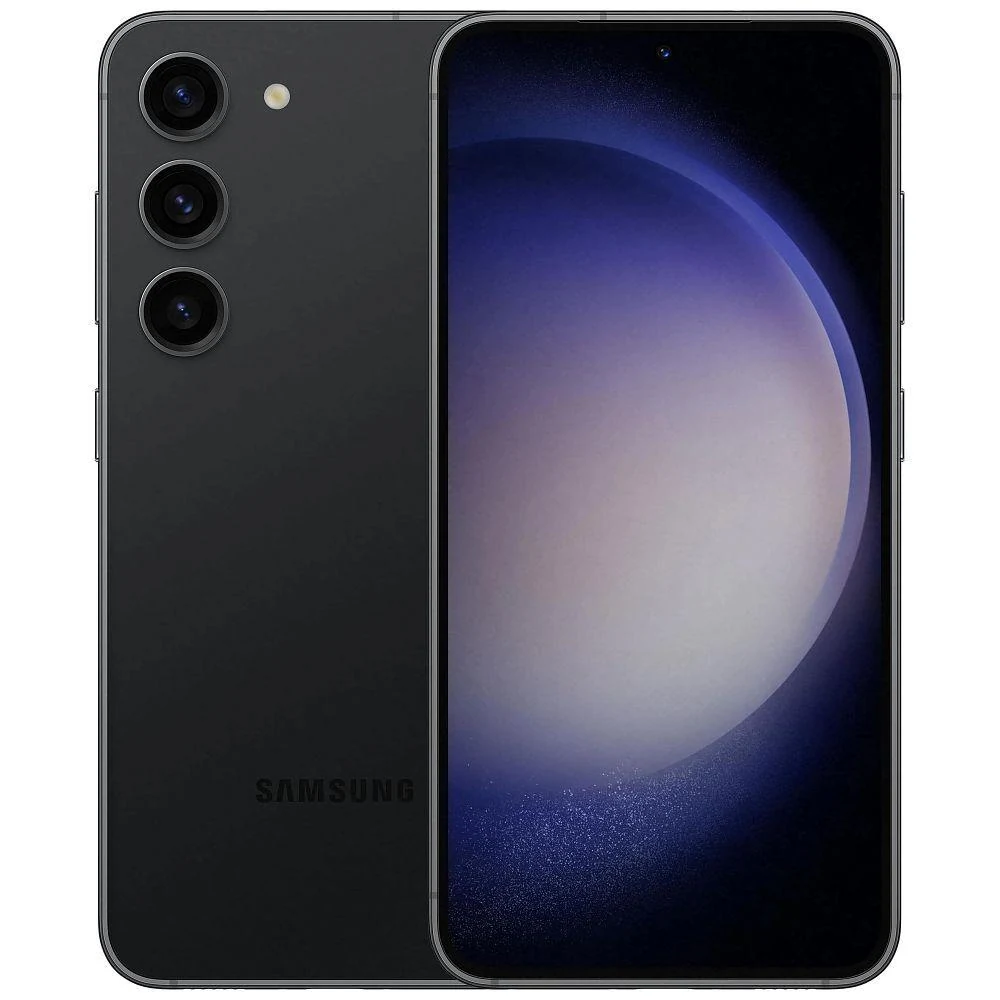
Galaxy S23 · E wātea ana ki ngā whatunga katoa
Mai i

Utu mō te mea kua whakahoungia:USD 90 $

Utu mō te mea hou · USD 799 $

Tirohia ngā kōwhiringa
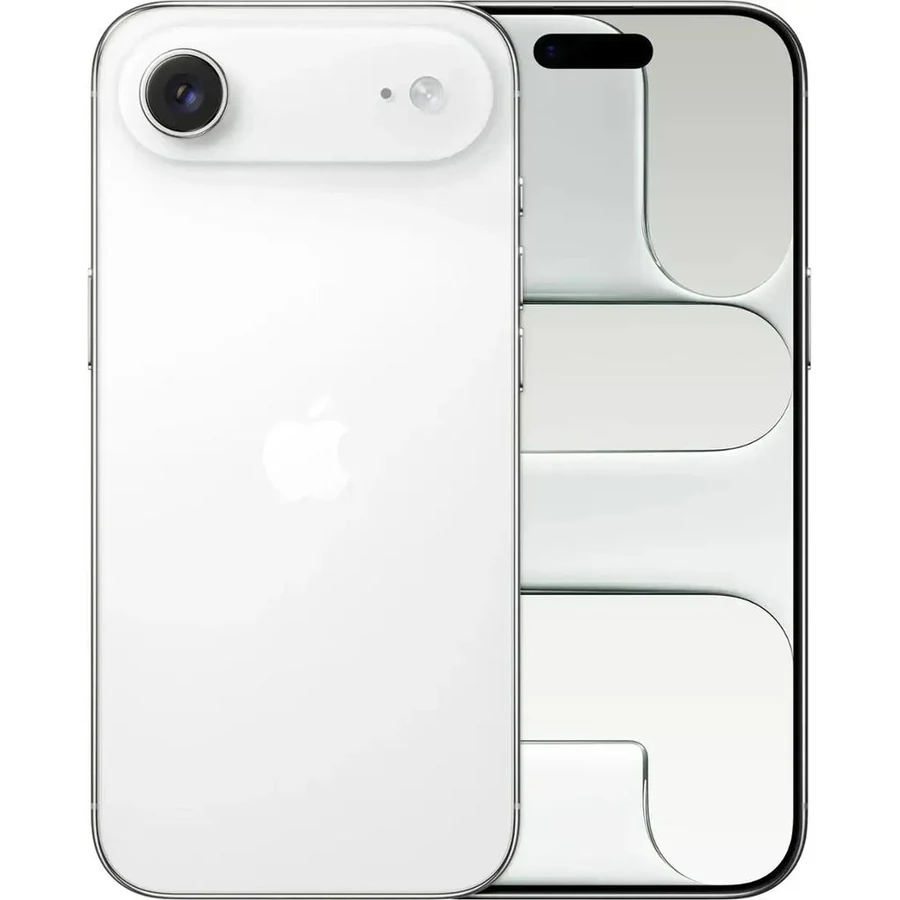
iPhone Air · E wātea ana ki ngā whatunga katoa
Mai i

Utu mō te mea kua whakahoungia:USD 269 $

Utu mō te mea hou · USD 1099 $

Tirohia ngā kōwhiringa

He tirohanga poto ki ngā rerekētanga

The Samsung Galaxy S23 (2023) and the Apple iPhone Air (2025) represent two distinct philosophies in smartphone engineering, balancing compact flagship utility with ultra-slim design innovation. While the Galaxy S23 delivers a traditional, highly pocketable Android experience, the iPhone Air introduces a revolutionary thin form factor running iOS. Choosing between these devices depends on preferred operating systems, physical handling preferences, and daily usage patterns.

Ngā tauira e wātea ana

Tae

Storage (GB)

Ngā kaute

Te pakari

Both models are built with longevity in mind, utilizing high-grade materials and receiving extended software support, though they originate from different release years.

  • Software Support: The Galaxy S23 provides long-term Android updates, while the iPhone Air benefits from a newer launch timeline and prolonged iOS backing.
  • Build Durability: The Galaxy S23 employs sturdy armor aluminum and reinforced glass, whereas the iPhone Air integrates a rigid titanium frame paired with advanced ceramic shield protection.
  • Repairability: Both devices follow modern manufacturing standards that require specialized tools for internal repairs, though component availability is well-established for both ecosystems.

Te tau i tukuna ai

2023

2025

Te pūnaha whakahaere hototahi hōu rawa

Āe

Āe

Pūnaha whakahaere

Android

iOS

Foldable

Kāo

Kāo

Te kaha mahi

Performance capabilities handle demanding modern applications smoothly, though they manage multitasking and hardware resources through different operating frameworks.

  • Processor Speed: Both devices manage intensive 3D gaming, quick app loading, and heavy multitasking effortlessly thanks to their high-efficiency architectures.
  • Memory and Storage: The Galaxy S23 starts with efficient baseline storage options, whereas the iPhone Air offers higher standard baseline capacities paired with generous system memory allocations for smooth background task management.
  • Battery Behavior: The compact footprint of the Galaxy S23 results in moderate daily endurance, while the iPhone Air balances its ultra-thin chassis with advanced power-efficient components to maintain steady all-day operation under standard use.

Te kounga o te mata

Display technologies on both smartphones deliver bright, sharp, and fluid visual experiences tailored for media consumption and daily navigation.

  • Display Technology: The Galaxy S23 features a vibrant AMOLED panel, while the iPhone Air utilizes an advanced Super Retina XDR organic light-emitting diode screen with deep contrast levels.
  • Refresh Rate and Smoothness: Both screens support adaptive refresh rates up to 120Hz, ensuring fluid scrolling, responsive touch tracking, and seamless animations.
  • Outdoor Visibility: High peak brightness levels on both displays ensure text and images remain easily legible under direct sunlight.

Taumira

1080 x 2340

2736x1260

Te momo mata

Dynamic AMOLED 2X

Super Retina XDR

Te ataata me te oro

Camera configurations approach photography and media recording from different angles, prioritizing versatility versus streamlined minimalism.

  • Camera Systems: The Galaxy S23 features a versatile multi-lens rear array including standard, ultra-wide, and telephoto options, whereas the iPhone Air streamlines photography with a single high-resolution main sensor.
  • Low-Light Performance: Both models utilize advanced image processing algorithms to capture crisp, detailed photos and stable video in dimly lit environments.
  • Audio Output: The Galaxy S23 features balanced stereo speakers for media playback, while the iPhone Air utilizes a specialized mono speaker configuration embedded in its ultra-thin body.

Kāmera matua

50 megapixels

48 megapixels

Kāmera o mua

12 megapixels

18 megapixels

Ētahi atu āhuatanga

Physical dimensions and connectivity standards define how each device integrates into everyday travel and communication setups.

  • Connectivity Standards: Both smartphones support modern 5G cellular networks, high-speed Wi-Fi, and precise multi-frequency satellite positioning.
  • Physical Dimensions: The Galaxy S23 offers a traditional compact footprint weighing 168 grams, while the iPhone Air stands out with an exceptionally slim 5.6 mm profile and a lightweight 165-gram build.
  • Security and Biometrics: The Galaxy S23 utilizes an under-display fingerprint reader and facial recognition, whereas the iPhone Air relies exclusively on secure facial mapping technology.

Taumaha

—

Not available

Te rahi o te mata (inihi)

6.1

6.5

Whatunga

5G

5G

Kāri SIM

Physical SIM + eSIM

eSIM

Carrier compatibility

E wātea ana ki ngā whatunga katoa

E wātea ana ki ngā whatunga katoa

Ngā whakaaro o te hapori

User discussions across online communities highlight distinct preferences for each device. Owners of the Galaxy S23 frequently praise its traditional, pocket-friendly ergonomics, versatile multi-lens camera system, and reliable everyday responsiveness. Conversely, admirers of the iPhone Air point to its striking ultra-thin profile, lightweight handling, and large, immersive display as major highlights, though some users note that a single-lens setup and mono speaker limit multimedia versatility compared to thicker alternatives.

Users prioritizing a traditional multi-lens camera setup and compact, pocket-friendly ergonomics may prefer the Galaxy S23, while users seeking an exceptionally thin, lightweight design with a larger display area often lean toward the iPhone Air. Selecting a quality-assured refurbished option provides a sustainable choice that extends device life cycles while matching individual feature priorities. Ultimately, the right choice depends on whether daily routines benefit more from comprehensive physical camera versatility or cutting-edge slim form-factor engineering.

Ā mātou whakataurite hou

WhatsApp