
Compare models
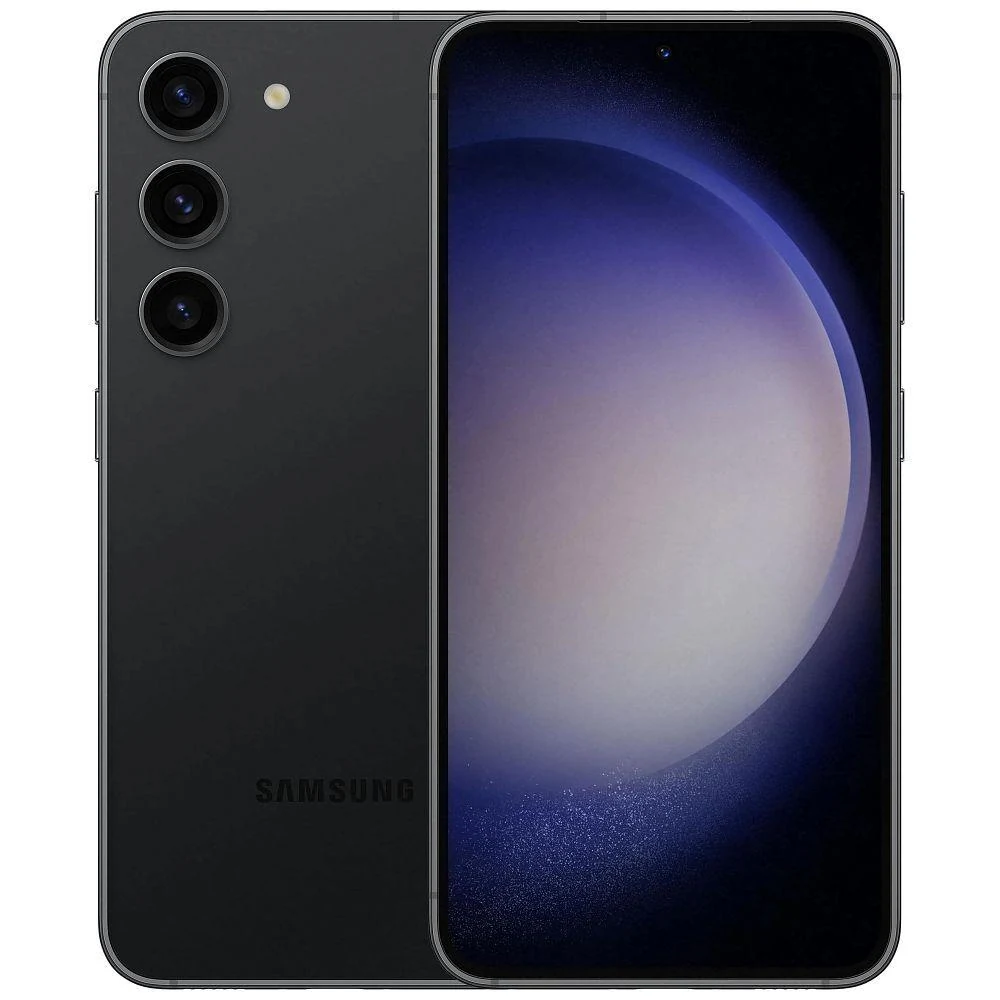
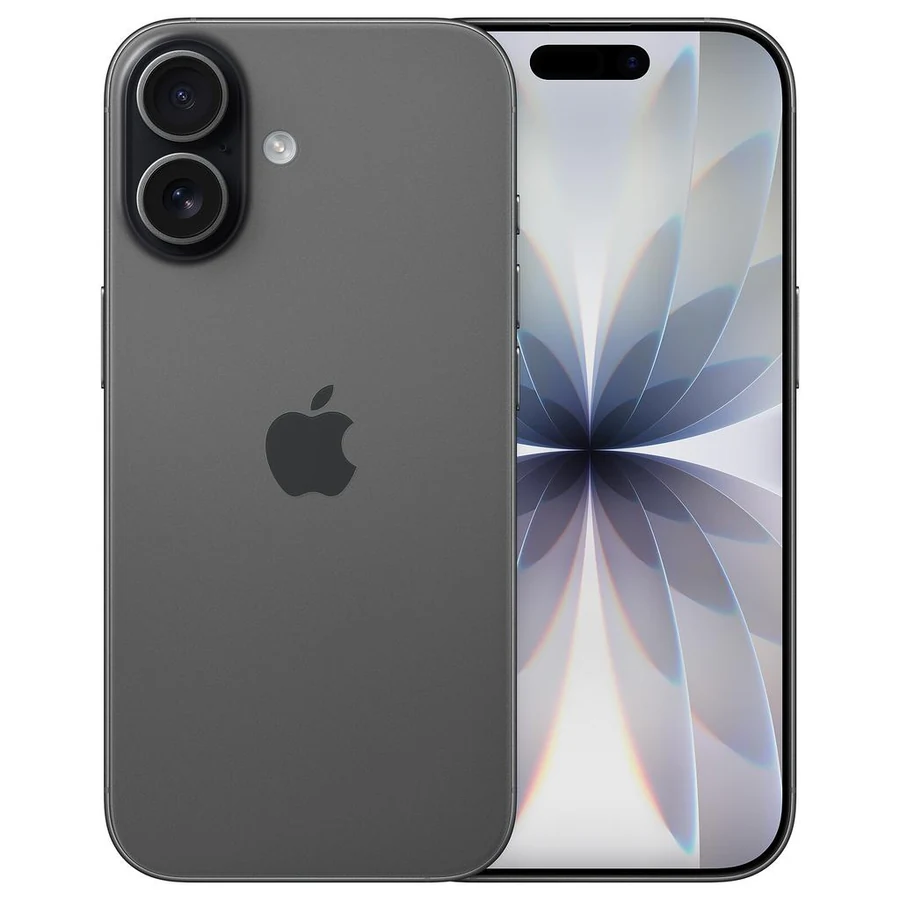
Galaxy S23 · Débloqué vs iPhone 17 · Débloqué
- Garantie d’un an
- Shipping rates shown at checkout
- Retours sous 14 jours (conditions de renvoi applicables)
Les différences en un coup d’œil
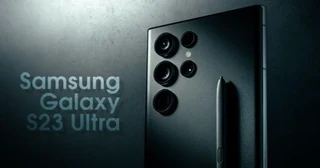
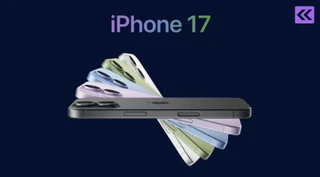
The Samsung Galaxy S23 (2023) and the Apple iPhone 17 (2025) represent two distinct generations of flagship smartphones from leading mobile ecosystems. While the Galaxy S23 runs on Android with Samsung's custom interface, the iPhone 17 operates on Apple's iOS platform, offering entirely different software environments. Despite their release year gap, both devices occupy premium spaces in the smartphone market, differing primarily in their processing generation, display dimensions, and software lifecycles.
Modèles disponibles
Couleur
Storage (GB)
Notes
Durabilité
When evaluating hardware longevity and software support, both devices provide robust longevity backed by high-tier build materials and multi-year update schedules.
- Software support duration: The iPhone 17 benefits from a newer release date, securing active operating system updates further into the future than the Galaxy S23, which launched two years prior.
- Build and repairability: Both models utilize durable glass and metal frames with high water and dust resistance ratings, though repair procedures require specialized technician tools for both brands.
- Expected practical lifespan: Users can expect several years of reliable daily operation from either phone, with battery health management playing the primary role in long-term usability.
Année de sortie
2023
2025
Dernier système compatible
Oui
Oui
Système d’exploitation
Android
iOS
Foldable
Non
Non
Performances
Daily responsiveness and multitasking capabilities vary based on internal hardware efficiency and memory management across both operating systems.
- App loading and multitasking: Both devices handle demanding applications, split-screen workflows, and intensive mobile gaming smoothly without noticeable stutter or lag.
- Battery behavior: Typical daily use yields a full day of mixed tasks on both models, though screen-on time varies depending on display brightness settings and background app activity.
- Storage configurations: Both lineups offer ample internal storage tiers to accommodate large photo libraries, downloaded media, and offline applications.
Qualité de l’écran
Visual immersion and panel technologies differ in sizing, peak brightness handling, and refresh rate implementation.
- Display technology: Both phones feature vibrant OLED panels that deliver deep contrast levels, rich colors, and wide viewing angles for media consumption.
- Brightness and outdoor clarity: The iPhone 17 includes a higher peak brightness threshold that helps maintain screen legibility under direct sunlight compared to the slightly older panel on the Galaxy S23.
- Refresh rate and sizing: Both devices support smooth high refresh rates for fluid scrolling, though the iPhone 17 provides a slightly larger screen footprint than the more compact Galaxy S23.
Résolution
1080 x 2340
2622x1206
Type d’écran
Dynamic AMOLED 2X
Super Retina XDR
Image et son
Optics and media capture hardware cater to different photography preferences through varying lens configurations and processing software.
- Camera systems: The Galaxy S23 features a dedicated optical zoom lens for distance shots, whereas the iPhone 17 relies on high-resolution sensors with flexible cropping options for versatile framing.
- Low-light and video performance: Both smartphones capture detailed low-light photos and stable, high-resolution video recordings equipped with stereo sound capture.
- Audio and media output: Built-in stereo speakers on both devices deliver clear sound for hands-free calls, casual video viewing, and music playback.
Appareil photo principal
50 megapixels
48 megapixels
Caméra avant
12 megapixels
18 megapixels
Autres caractéristiques
Physical dimensions, connectivity standards, and daily handling factors shape the ergonomic profile of each device.
- Handling and ergonomics: The Galaxy S23 offers a lighter, more compact frame suited for single-handed use, while the iPhone 17 provides a slightly broader surface area and matching weight distribution.
- Connectivity options: Both models support modern 5G cellular networks, fast Wi-Fi standards, and Bluetooth pairing for wireless accessories.
- Port types: The iPhone 17 utilizes a universal USB-C connection for charging and data transfer, aligning with the charging port standard already established by the Galaxy S23.
Poids
—
6.24 oz (177 g)
Diagonale de l’écran (pouces)
6.1
6.3
Réseau
5G
5G
Carte SIM
Physical SIM + eSIM
eSIM
Carrier compatibility
Débloqué
Débloqué
L’avis de la communauté
User community discussions frequently praise the Galaxy S23 for its compact, pocket-friendly form factor and dedicated telephoto lens, while some users note that its battery life requires careful management during heavy usage days. Conversely, the iPhone 17 receives positive feedback for its bright display and long-term software outlook, though public commentary occasionally notes that the device size has grown compared to older baseline models. Choosing between the two often comes down to ecosystem preference and physical handling priorities.
Users prioritizing a compact physical footprint and dedicated optical zoom may prefer the Galaxy S23, while users seeking extended software support and an expansive display may lean toward the iPhone 17. Opting for a quality-assured refurbished option provides an eco-friendly alternative that extends device lifecycles while maintaining high performance standards. Ultimately, aligning your choice with your preferred operating system and everyday ergonomic needs will ensure a satisfying long-term mobile experience.