
Compare models

Galaxy S23 · E wātea ana ki ngā whatunga katoa vs iPhone 17 Pro · E wātea ana ki ngā whatunga katoa

  • Pūtāhui kotahi tau
  • Shipping rates shown at checkout
  • Ka taea te whakahoki i roto i ngā rā 14 (ka pā ngā tikanga tuku whakahoki)
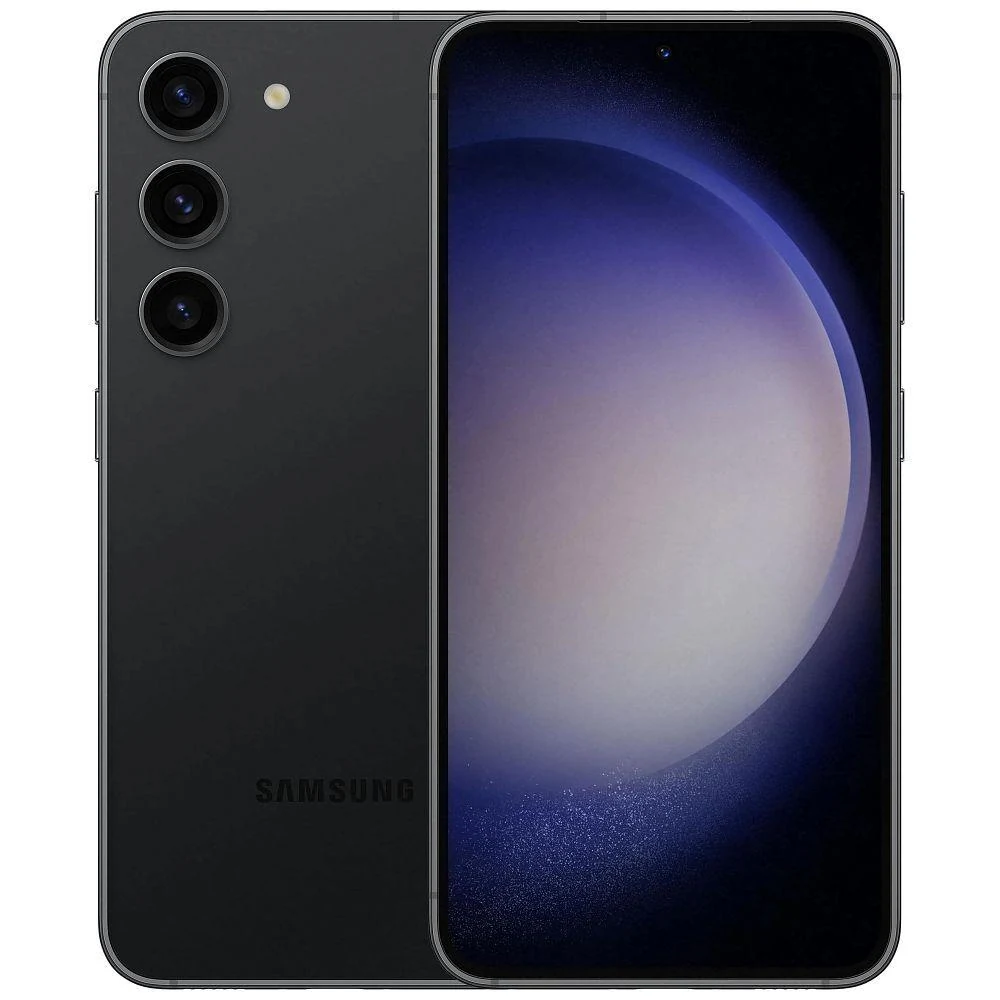
Galaxy S23 · E wātea ana ki ngā whatunga katoa
Mai i

Utu mō te mea kua whakahoungia:USD 90 $

Utu mō te mea hou · USD 799 $

Tirohia ngā kōwhiringa
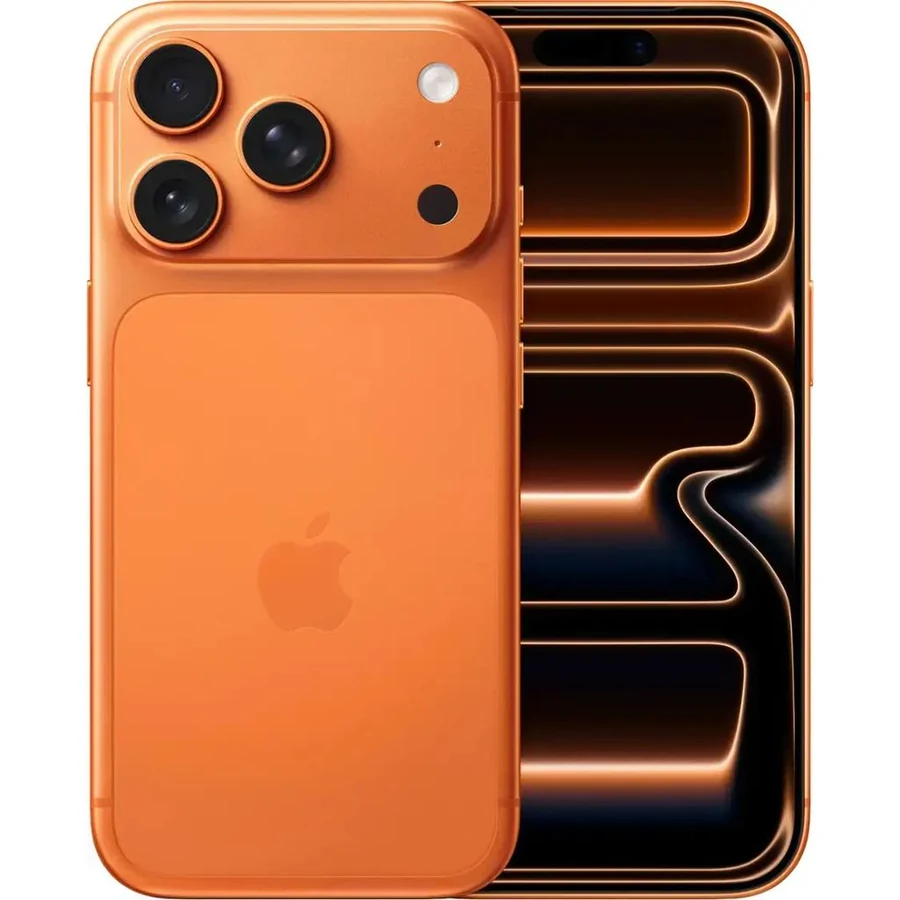
iPhone 17 Pro · E wātea ana ki ngā whatunga katoa
Mai i

Utu mō te mea kua whakahoungia:USD 326 $

Utu mō te mea hou · USD 1099 $

Tirohia ngā kōwhiringa

He tirohanga poto ki ngā rerekētanga

The Samsung Galaxy S23 (2023) and the Apple iPhone 17 Pro (2025) are high-end smartphones representing different release years and operating systems, with the Galaxy S23 running Android and the iPhone 17 Pro operating on iOS. While both devices deliver flagship capabilities, they differ notably in generation timeline, hardware architecture, and software ecosystems.

Ngā tauira e wātea ana

Tae

Storage (GB)

Ngā kaute

Te pakari

When evaluating hardware longevity and software support, both smartphones handle multi-year use effectively while reflecting their respective release schedules.

  • Release timeline and support: The Galaxy S23 arrived in early 2023 with a multi-year software maintenance schedule, whereas the iPhone 17 Pro launched in late 2025, benefiting from Apple's extended update lifecycle.
  • Build resilience: Both models feature robust aluminum or titanium framing and reinforced glass protection designed to withstand routine daily wear.
  • Practical lifespan: Users can expect reliable multi-year operation from both devices, though the newer model naturally offers a longer window of future software updates.

Te tau i tukuna ai

2023

2025

Te pūnaha whakahaere hototahi hōu rawa

Āe

Āe

Pūnaha whakahaere

Android

iOS

Foldable

Kāo

Kāo

Te kaha mahi

Daily operation and multitasking capabilities differ based on internal hardware generations and memory allocations across both platforms.

  • System responsiveness: Both devices handle demanding applications, heavy multitasking, and graphic-intensive gaming smoothly without noticeable stutter.
  • Memory and storage configurations: The iPhone 17 Pro utilizes higher baseline RAM configurations to manage intensive background tasks, while the Galaxy S23 offers efficient memory management within the Android environment.
  • Battery behavior: Typical daily use yields a full day of mixed navigation and messaging on both units, though screen-on times vary under continuous gaming or video streaming loads.

Te kounga o te mata

Visual output relies on advanced OLED technology on both phones, providing crisp details and high contrast for media consumption.

  • Display panels: Both units incorporate vibrant OLED screens with adaptive high refresh rates that ensure smooth scrolling and fluid animation transitions.
  • Outdoor visibility: High peak brightness capabilities allow both screens to remain legible under direct sunlight or bright outdoor lighting conditions.
  • Form factor: The Galaxy S23 offers a more compact, lightweight footprint, whereas the iPhone 17 Pro provides a slightly larger viewing area.

Taumira

1080 x 2340

2622x1206

Te momo mata

Dynamic AMOLED 2X

Super Retina XDR

Te ataata me te oro

Photography and media recording capabilities utilize multi-lens arrays equipped with advanced stabilization for everyday clarity.

  • Imaging systems: Both smartphones capture detailed photos across standard and wide viewing angles, maintaining balanced color accuracy in diverse lighting conditions.
  • Video recording: High-resolution video capture features robust stabilization options to minimize shake during movement.
  • Audio output: Stereo speaker configurations deliver clear sound reproduction for calls, media playback, and casual listening.

Kāmera matua

50 megapixels

48 megapixels

Kāmera o mua

12 megapixels

18 megapixels

Ētahi atu āhuatanga

Physical dimensions and connectivity standards shape the everyday handling and utility of each device.

  • Connectivity features: Both models support current 5G networks, fast Wi-Fi standards, and Bluetooth protocols for reliable peripheral pairing.
  • Physical ports: The Galaxy S23 relies on a USB-C port, matching the universal charging standard adopted by the iPhone 17 Pro.
  • Security sensors: Biometric authentication is handled via secure facial recognition on the iPhone and an under-display fingerprint sensor on the Galaxy.

Taumaha

—

Not available

Te rahi o te mata (inihi)

6.1

6.3

Whatunga

5G

5G

Kāri SIM

Physical SIM + eSIM

eSIM

Carrier compatibility

E wātea ana ki ngā whatunga katoa

E wātea ana ki ngā whatunga katoa

Ngā whakaaro o te hapori

User discussions across community forums highlight distinct preferences for each device based on ecosystem familiarity and physical design. Galaxy S23 users frequently praise its compact ergonomics, lightweight feel, and reliable everyday performance. On the other hand, iPhone 17 Pro users often emphasize the fluid display smoothness, robust build quality, and integration within the iOS ecosystem.

Users prioritizing a lightweight, compact Android handset may prefer the Galaxy S23, while users seeking a larger display and the iOS software environment will find the iPhone 17 Pro well-suited to their preferences. For shoppers exploring sustainable choices, opting for a quality-assured refurbished option provides a reliable and eco-friendly alternative to purchasing newly manufactured hardware.

Ā mātou whakataurite hou

WhatsApp