
Compare models

Galaxy S23 · E wātea ana ki ngā whatunga katoa vs iPhone 12 Pro Max · E wātea ana ki ngā whatunga katoa

  • Pūtāhui kotahi tau
  • Shipping rates shown at checkout
  • Ka taea te whakahoki i roto i ngā rā 14 (ka pā ngā tikanga tuku whakahoki)
Galaxy S23 · E wātea ana ki ngā whatunga katoa
Mai i

Utu mō te mea kua whakahoungia:USD 90 $

Utu mō te mea hou · USD 799 $

Tirohia ngā kōwhiringa
iPhone 12 Pro Max · E wātea ana ki ngā whatunga katoa
Mai i

Utu mō te mea kua whakahoungia:USD 132 $

Utu mō te mea hou · USD 999 $

Tirohia ngā kōwhiringa

He tirohanga poto ki ngā rerekētanga

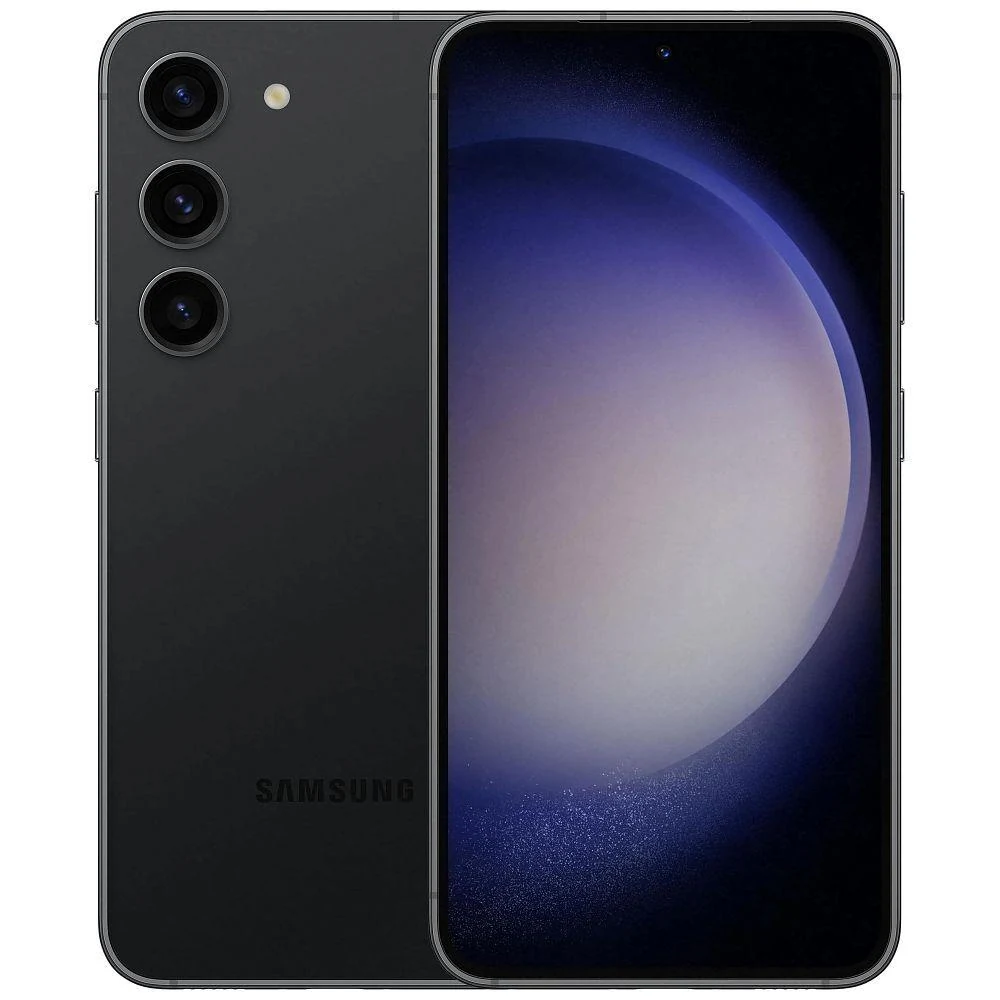
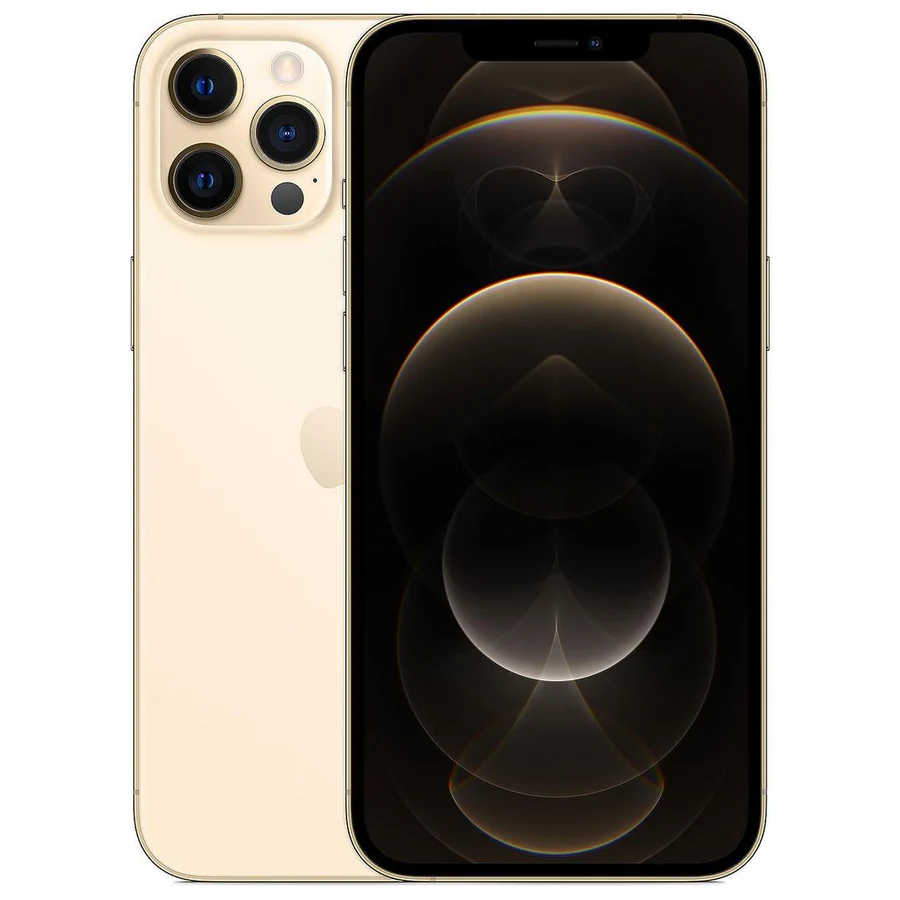
The Samsung Galaxy S23, released in early 2023, offers a compact Android experience, while the Apple iPhone 12 Pro Max, launched in late 2020, provides a larger display within the iOS ecosystem. These devices represent different generations and operating systems, leading to distinct user experiences in terms of performance, camera capabilities, and overall design.

Ngā tauira e wātea ana

Tae

Storage (GB)

Ngā kaute

Te pakari

When considering the practical lifespan of these devices, their release dates play a significant role in software support and long-term usability.

  • Release Timeline: The Galaxy S23 was released in February 2023, making it a more recent device. The iPhone 12 Pro Max was released in November 2020.
  • Software Longevity: The Galaxy S23, being a 2023 device, is expected to receive major Android operating system updates until at least 2027 and security updates until 2028. The iPhone 12 Pro Max, released in 2020, has likely received its final major iOS update in 2025 or 2026, though security updates may continue for a period beyond that.
  • Physical Durability: Both devices feature robust builds with IP68 water and dust resistance. The Galaxy S23 uses Gorilla Glass Victus 2 for its display and back, while the iPhone 12 Pro Max features Apple's Ceramic Shield front cover. Both offer good protection against everyday wear and tear.

Te tau i tukuna ai

2023

2020

Te pūnaha whakahaere hototahi hōu rawa

Āe

Āe

Pūnaha whakahaere

Android

iOS

Foldable

Kāo

Kāo

Te kaha mahi

Performance differences between these two models are notable, primarily due to their generational gap and operating system optimizations.

  • Processing Power: The Galaxy S23 features a more current-generation processor, which translates to smoother performance in demanding applications, faster game loading times, and more efficient multitasking. The iPhone 12 Pro Max, while still capable, uses an older processor that handles everyday tasks well but may show limitations with the most intensive apps or future software updates.
  • Battery Behavior: The Galaxy S23, with its 3900 mAh battery, generally offers a full day of use for many users, with some reporting 4-5 hours of screen-on time with heavy use, and others achieving over 7 hours. The iPhone 12 Pro Max, equipped with a 3687 mAh battery, provided good battery life at its release, but heavy users may find it requires more frequent charging compared to newer devices.
  • Multitasking and Storage: The Galaxy S23 typically comes with 8GB of RAM, while the iPhone 12 Pro Max has 6GB of RAM. Both devices offer various storage options, including 128GB, 256GB, and 512GB, providing ample space for applications and media.

Te kounga o te mata

The display is a primary interface for smartphones, and both devices offer high-quality viewing experiences with some key distinctions.

  • Display Technology and Clarity: Both devices feature high-quality OLED displays, providing deep blacks and vibrant colors. The Galaxy S23 has a 6.1-inch Dynamic AMOLED 2X display with a resolution of 1080 x 2340 pixels. The iPhone 12 Pro Max boasts a larger 6.7-inch Super Retina XDR OLED display with a resolution of 2778 x 1284 pixels, offering more screen real estate and a higher pixel density.
  • Brightness Levels: The Galaxy S23 offers a peak brightness of 1750 nits, which contributes to excellent visibility in bright outdoor conditions. The iPhone 12 Pro Max has a typical maximum brightness of 800 nits and can reach up to 1200 nits when displaying HDR content.
  • Refresh Rate and Smoothness: A key difference is the refresh rate. The Galaxy S23 features a dynamic 120Hz refresh rate, which results in noticeably smoother scrolling and more fluid animations. The iPhone 12 Pro Max has a standard 60Hz refresh rate.

Taumira

1080 x 2340

1284 x 2778

Te momo mata

Dynamic AMOLED 2X

Super Retina XDR OLED

Te ataata me te oro

Both the Galaxy S23 and iPhone 12 Pro Max offer capable camera systems, though they approach photography with different strengths and features.

  • Rear Camera System: The Galaxy S23 features a versatile triple-camera setup with a 50-megapixel main sensor, a 12-megapixel ultrawide lens, and a 10-megapixel telephoto lens offering 3x optical zoom. The iPhone 12 Pro Max also has a triple 12-megapixel camera system, including main, ultrawide, and a 2.5x optical telephoto lens, along with a LiDAR scanner for improved low-light autofocus and augmented reality applications.
  • Photography Performance: The Galaxy S23's higher megapixel main sensor can capture detailed photos, while the iPhone 12 Pro Max's LiDAR scanner assists with focusing in challenging lighting conditions. Both devices are capable of producing high-quality images in various everyday scenarios.
  • Video Recording and Audio: Both smartphones support 4K video recording at various frame rates. Both devices also offer stereo speaker output for media consumption and clear microphone quality for calls and recordings.

Kāmera matua

50 megapixels

12 megapixels

Kāmera o mua

12 megapixels

12 megapixels

Ētahi atu āhuatanga

Beyond core features, several practical elements differentiate the user experience of these two smartphones.

  • Connectivity Options: The Galaxy S23 supports 5G networks, Wi-Fi 6E for faster wireless speeds, and Bluetooth 5.3. The iPhone 12 Pro Max also supports 5G, Wi-Fi 6, and Bluetooth 5.0. The S23 offers slightly newer wireless standards.
  • Port Types and Biometrics: The Galaxy S23 uses the universal USB-C port for charging and data transfer, and features an ultrasonic fingerprint sensor embedded under the display, alongside face recognition. The iPhone 12 Pro Max uses Apple's proprietary Lightning port and relies on Face ID for secure facial recognition.
  • Physical Characteristics: The Galaxy S23 is a more compact device, weighing 168 grams and measuring 146.3 x 70.9 x 7.6 mm. The iPhone 12 Pro Max is larger and heavier at 228 grams and dimensions of 160.8 x 78.1 x 7.4 mm. The iPhone 12 Pro Max features a stainless steel frame, while the Galaxy S23 uses Armor Aluminum.

Taumaha

—

8.04 oz (228 g)

Te rahi o te mata (inihi)

6.1

6.7

Whatunga

5G

5G

Kāri SIM

Physical SIM + eSIM

Physical SIM + eSIM

Carrier compatibility

E wātea ana ki ngā whatunga katoa

E wātea ana ki ngā whatunga katoa

Ngā whakaaro o te hapori

User sentiment for the Galaxy S23 often highlights its improved battery life compared to previous Samsung models and its smooth performance, especially with demanding applications. Some users have noted that real-world battery performance can vary depending on individual usage patterns. The iPhone 12 Pro Max is frequently praised for its still-capable camera system, large and vibrant display, and the overall fluidity of the iOS experience, even several years after its release. A common point of discussion for the iPhone 12 Pro Max is its 60Hz display, which some users find less smooth compared to devices with higher refresh rates.

Users prioritizing the latest software updates, a more compact form factor, a high refresh rate display, and a longer period of guaranteed software support may find the Galaxy S23 well-suited to their needs. Conversely, users who prefer a larger screen for media consumption, are deeply integrated into the iOS ecosystem, and value a robust camera system that includes a LiDAR scanner, may lean toward the iPhone 12 Pro Max. Both devices offer a quality-assured refurbished option, providing a sustainable choice for consumers looking to extend the life cycle of electronic products.

Ā mātou whakataurite hou

WhatsApp