Compare models

Galaxy S23 · Unlocked vs Galaxy Z Flip7 · E wātea ana ki ngā whatunga katoa

  • Pūtāhui kotahi tau
  • Shipping rates shown at checkout
  • Ka taea te whakahoki i roto i ngā rā 14 (ka pā ngā tikanga tuku whakahoki)
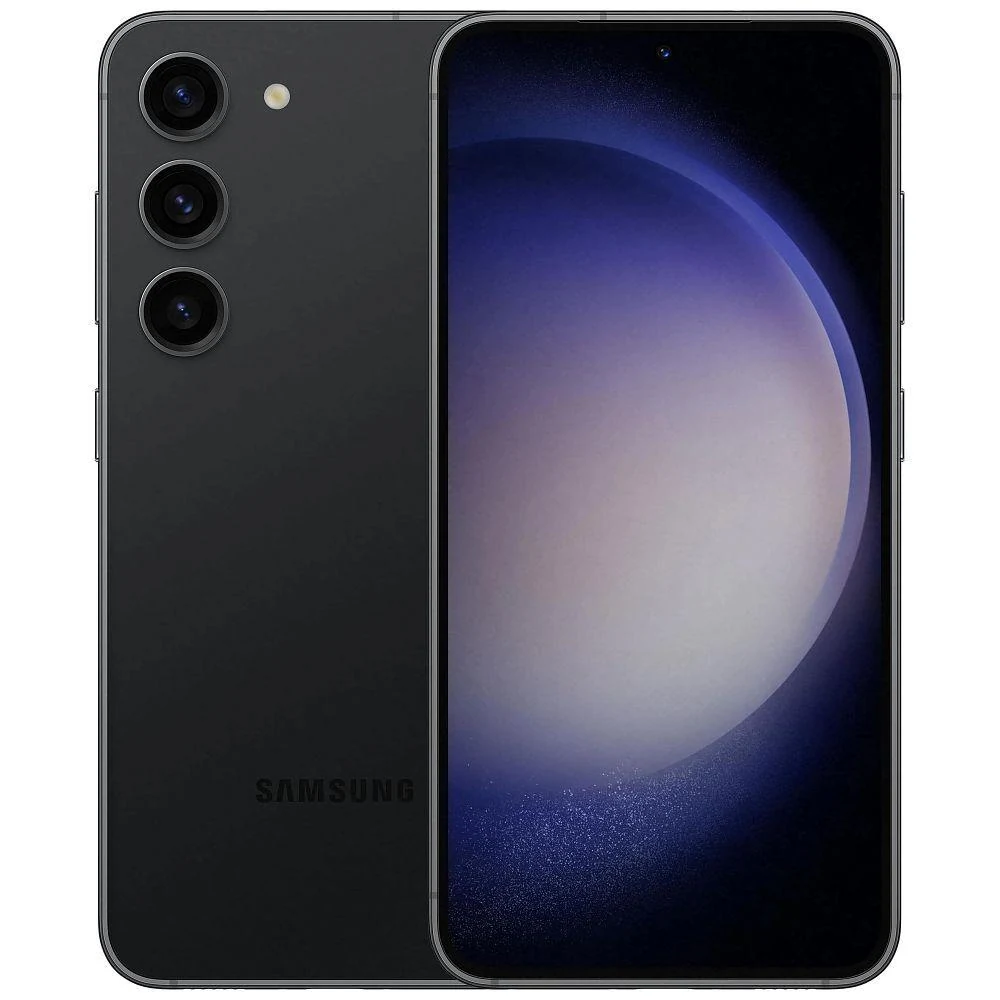
Galaxy S23 · E wātea ana ki ngā whatunga katoa
Mai i

Utu mō te mea kua whakahoungia:USD 90 $

Utu mō te mea hou · USD 799 $

Tirohia ngā kōwhiringa
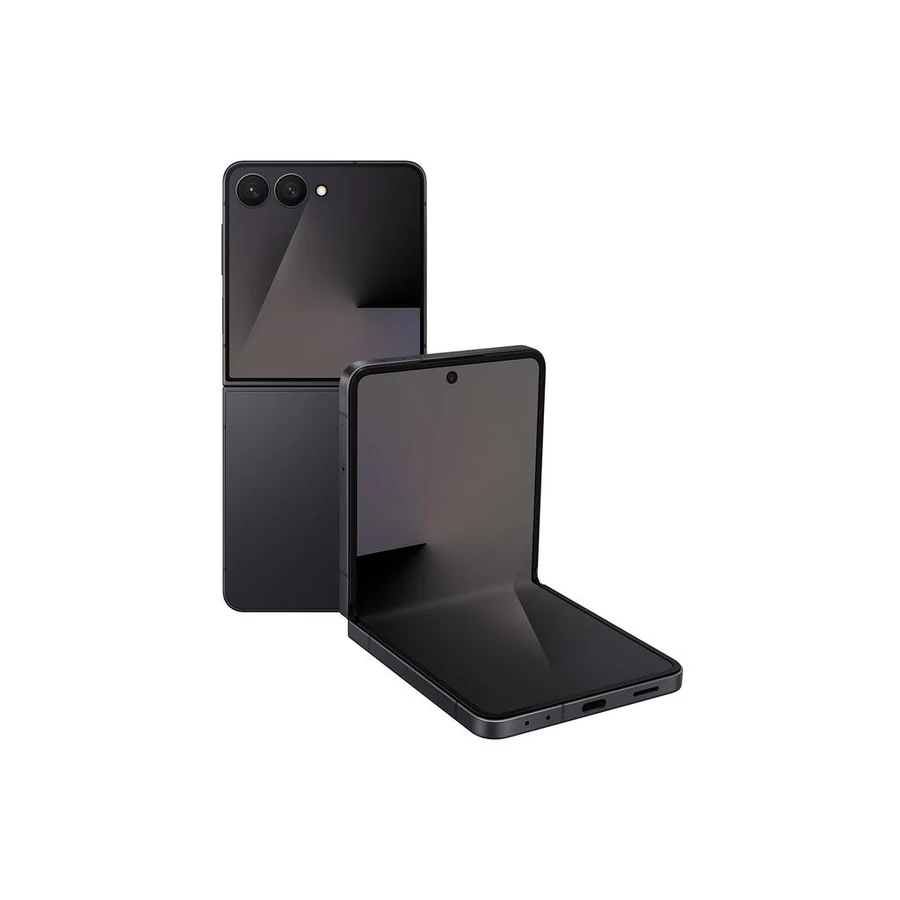
Galaxy Z Flip7 · E wātea ana ki ngā whatunga katoa
Mai i

Utu mō te mea kua whakahoungia:USD 203 $

Utu mō te mea hou · USD 999 $

Tirohia ngā kōwhiringa

He tirohanga poto ki ngā rerekētanga

The Samsung Galaxy S23 (2023) and the Samsung Galaxy Z Flip7 (2025) represent two distinct approaches to modern smartphone engineering: a traditional candy-bar flagship versus a contemporary foldable clamshell design. While both run on Android with Samsung's interface, they cater to completely different physical preferences and user lifestyles through their distinct form factors.

Ngā tauira e wātea ana

Tae

Storage (GB)

Ngā kaute

Te pakari

When examining longevity and build endurance, the release timeline and structural engineering of each device dictate their expected practical lifespan in daily use.

  • Release timeline and update support: The Galaxy Z Flip7 benefits from a much later release year, securing a longer window of active software updates and security patches compared to the older Galaxy S23.
  • Structural durability and maintenance: The Galaxy S23 relies on a rigid, traditional glass-and-aluminum slab construction with high scratch resistance, whereas the Galaxy Z Flip7 features a folding display mechanism that requires careful handling over years of frequent opening and closing.
  • Expected practical lifespan: Both models provide dependable multi-year performance, though users seeking long-term structural simplicity often find the traditional slab design of the Galaxy S23 less prone to wear over extended timelines.

Te tau i tukuna ai

2023

2025

Te pūnaha whakahaere hototahi hōu rawa

Āe

Āe

Pūnaha whakahaere

Android

Android

Foldable

Kāo

Āe

Te kaha mahi

Underneath their exterior shells, these devices handle multitasking, mobile gaming, and daily applications with distinct hardware capabilities and power efficiencies.

  • Storage and memory configurations: The Galaxy Z Flip7 offers higher baseline RAM options and larger storage capacities for multitasking, while the Galaxy S23 provides more modest standard storage tiers suited for average media libraries.
  • Everyday responsiveness and processing: Both models handle demanding applications smoothly, load apps quickly, and transition between tasks effortlessly thanks to capable processing hardware.
  • Battery behavior and endurance: The Galaxy S23 relies on a smaller physical battery capacity that may require a top-up during heavy usage days, whereas the Galaxy Z Flip7 accommodates a larger battery cell to support its dual-screen setup.

Te kounga o te mata

Display performance differs significantly between the two models, primarily driven by the foldable nature of one device and the fixed panel of the other.

  • Display technology and visual clarity: The Galaxy S23 uses a crisp, traditional flat OLED screen with vibrant colors and deep contrast, while the Galaxy Z Flip7 features a large folding OLED inner display accompanied by a functional outer cover screen for quick glances.
  • Brightness and outdoor visibility: Both screens reach high peak brightness levels, ensuring readability under direct sunlight, though reflective characteristics vary due to the protective polymer layer on folding screens.
  • Refresh rate and smoothness: Both devices support high refresh rates up to 120 hertz, delivering smooth scrolling through web pages, documents, and social media feeds.

Taumira

1080 x 2340

—

Te momo mata

Dynamic AMOLED 2X

Foldable Dynamic LTPO AMOLED 2X

Te ataata me te oro

Optics and media consumption features vary, offering different tools for capturing everyday memories and enjoying audio-visual content.

  • Camera hardware capabilities: The Galaxy S23 utilizes a versatile triple-lens setup including a dedicated telephoto zoom lens, whereas the Galaxy Z Flip7 features a dual-lens primary system paired with flexible angles made possible by its folding hinge.
  • Low-light and video performance: Both devices capture detailed images in challenging lighting conditions and record stable high-definition video with clear audio input from built-in microphones.
  • Media and speaker output: Stereo speakers on both smartphones deliver clear sound for hands-free calls, podcasts, and casual video viewing without requiring external accessories.

Ētahi atu āhuatanga

Practical daily usability elements such as connectivity, physical dimensions, and handling characteristics define how each phone fits into pockets and hands.

  • Connectivity and ports: Both models support modern 5G networks, fast Wi-Fi standards, and Bluetooth pairing, utilizing reversible USB-C ports for charging and data transfer.
  • Biometrics and security: The Galaxy S23 features an ultrasonic fingerprint sensor embedded beneath the screen alongside facial recognition, while the Galaxy Z Flip7 integrates its fingerprint scanner into the side power button.
  • Dimensions and handling: The Galaxy S23 offers a compact, pocket-friendly single-piece form factor, whereas the Galaxy Z Flip7 folds in half to occupy less vertical pocket space, making it a sustainable choice for users wanting a smaller footprint when traveling.

Taumaha

—

—

Te rahi o te mata (inihi)

6.1

6.9

Whatunga

5G

5G

Kāri SIM

Physical SIM + eSIM

Physical SIM + eSIM

Carrier compatibility

E wātea ana ki ngā whatunga katoa

E wātea ana ki ngā whatunga katoa

Ngā whakaaro o te hapori

User feedback from online communities highlights distinct preferences for each device based on everyday routines. Owners of the Galaxy S23 frequently praise its sturdy, traditional construction, reliable ergonomics, and straightforward pocketability without any moving hinge parts. Conversely, users of the Galaxy Z Flip7 highlight the convenience of the outer cover screen for checking notifications quickly and the unique satisfaction of folding the phone shut after a call. At the same time, some community members note that folding screens require mindful handling, and traditional slab users point out that non-folding phones avoid crease visibility over long-term ownership.

Users prioritizing a compact footprint that folds down for effortless pocket storage may prefer the Galaxy Z Flip7, while users prioritizing structural simplicity and a dedicated zoom camera lens often lean toward the Galaxy S23. For shoppers exploring a quality-assured refurbished option, both models offer a reliable path to flagship-tier technology while supporting eco-friendly consumption habits. Ultimately, the choice depends entirely on whether a conventional slab design or a flexible folding format best matches your daily workflow.
Ā mātou whakataurite hou

WhatsApp