
Compare models

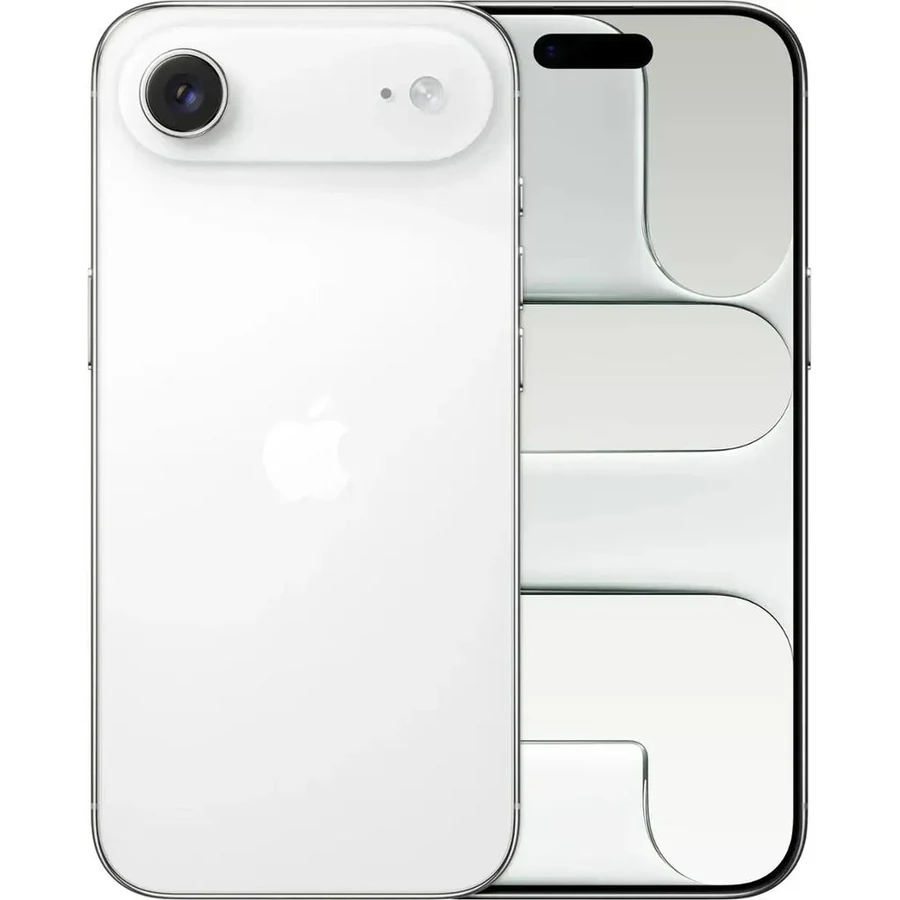
Galaxy S23 FE · E wātea ana ki ngā whatunga katoa vs iPhone Air · E wātea ana ki ngā whatunga katoa

  • Pūtāhui kotahi tau
  • Shipping rates shown at checkout
  • Ka taea te whakahoki i roto i ngā rā 14 (ka pā ngā tikanga tuku whakahoki)
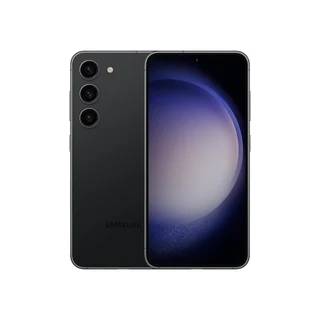
Galaxy S23 FE · E wātea ana ki ngā whatunga katoa
Mai i

Utu mō te mea kua whakahoungia:USD 95 $

Utu mō te mea hou · USD 799 $

Tirohia ngā kōwhiringa
iPhone Air · E wātea ana ki ngā whatunga katoa
Mai i

Utu mō te mea kua whakahoungia:USD 269 $

Utu mō te mea hou · USD 1099 $

Tirohia ngā kōwhiringa

He tirohanga poto ki ngā rerekētanga

The Samsung Galaxy S23 FE (2023) and the Apple iPhone Air (2025) represent two distinct approaches to smartphone design and engineering. While the Galaxy S23 FE offers a balanced feature set on the Android platform, the iPhone Air introduces an ultra-slim profile running Apple's iOS ecosystem. These devices differ significantly in their launch years, physical dimensions, and core hardware philosophies.

Ngā tauira e wātea ana

Tae

Storage (GB)

Ngā kaute

Te pakari

Long-term usability varies between these models due to their different release timelines and software update commitments from their respective manufacturers.

  • Release timeline: The Galaxy S23 FE launched in late 2023, while the iPhone Air debuted in late 2025, giving the Apple device a newer baseline for total support years.
  • Software support: Both platforms receive multi-year operating system upgrades, though the newer iPhone model extends support further into the future.
  • Repairability: Both devices feature standard industry repair pathways, with widespread access to authorized service components for routine maintenance.

Te tau i tukuna ai

2023

2025

Te pūnaha whakahaere hototahi hōu rawa

Āe

Āe

Pūnaha whakahaere

Android

iOS

Foldable

Kāo

Kāo

Te kaha mahi

System responsiveness and day-to-day multitasking capabilities reflect the different hardware generations and internal architectures of each device.

  • Storage configurations: Both models provide multiple capacity tiers to accommodate personal file storage and application libraries without frequent data management.
  • Multitasking smoothness: Both devices handle demanding applications and rapid switching between active programs smoothly, supported by robust system memory.
  • Battery behavior: Typical daily usage yields consistent power delivery through standard waking hours, though heavy gaming or navigation will require mid-day replenishment on both models.

Te kounga o te mata

Visual output relies on distinct display panels that deliver crisp text and vivid colors suited for everyday media consumption.

  • Display technology: Both devices utilize advanced organic light-emitting diode panels that produce deep contrast levels and rich color reproduction.
  • Outdoor visibility: High peak brightness capabilities ensure that screens remain legible when used directly under bright sunlight.
  • Auau tāmata: Smooth scrolling and fluid animation tracking are supported by high refresh rate technology across both user interfaces.

Taumira

1080 x 2340

2736x1260

Te momo mata

Dynamic AMOLED 2X

Super Retina XDR

Te ataata me te oro

Imaging hardware and audio output cater to routine photography, video recording, and media playback needs through different lens layouts.

  • Camera systems: The Galaxy S23 FE utilizes a versatile multi-lens rear setup including optical zoom, whereas the iPhone Air relies on a single high-resolution primary lens configuration.
  • Low-light performance: Image processing software on both models brightens dark scenes effectively while preserving natural shadow details.
  • Audio output: Integrated speaker systems deliver clear dialogue and balanced sound profiles for hands-free calls and casual video viewing.

Kāmera matua

50 megapixels

48 megapixels

Kāmera o mua

10 megapixels

18 megapixels

Ētahi atu āhuatanga

Physical dimensions and connectivity standards define how each device handles in daily transport and physical interaction.

  • Build and handling: The iPhone Air emphasizes an exceptionally thin and lightweight titanium frame, whereas the Galaxy S23 FE provides a heavier, traditional glass and aluminum construction.
  • Port connectivity: Both models utilize standard universal serial bus architecture for wired charging and data transfers.
  • Biometric security: Secure device unlocking is handled via facial recognition on the Apple device and an in-display fingerprint sensor on the Samsung alternative.

Taumaha

7 oz

Not available

Te rahi o te mata (inihi)

6.4

6.5

Whatunga

5G

5G

Kāri SIM

SIM ā-tinana

eSIM

Carrier compatibility

E wātea ana ki ngā whatunga katoa

E wātea ana ki ngā whatunga katoa

Tūhono

USB-C

USB-C

Ngā whakaaro o te hapori

Choosing between these two smartphones depends primarily on preferred operating systems and physical handling preferences. Users who prefer the Android environment and appreciate a traditional phone build often gravitate toward the Galaxy S23 FE. Conversely, users seeking the iOS ecosystem combined with an exceptionally thin and lightweight chassis frequently prefer the iPhone Air.

For those exploring sustainable purchasing routes, choosing a quality-assured refurbished option provides an eco-friendly alternative that extends device lifecycles while maintaining high functional standards. Weighing operating system familiarity against physical form factor differences will ultimately guide the right decision for individual daily routines.

Ā mātou whakataurite hou

WhatsApp