
Compare models

Galaxy S22+ 5G · Desbloqueado vs iPhone 14 · Desbloqueado

  • Garantia de um ano
  • Shipping rates shown at checkout
  • Devoluções em 14 dias (aplicam-se as condições de envio da devolução)
Galaxy S22+ 5G · Desbloqueado
Desde

Preço recondicionado:USD 81 $

Preço em novo · USD 789 $

Ver opções
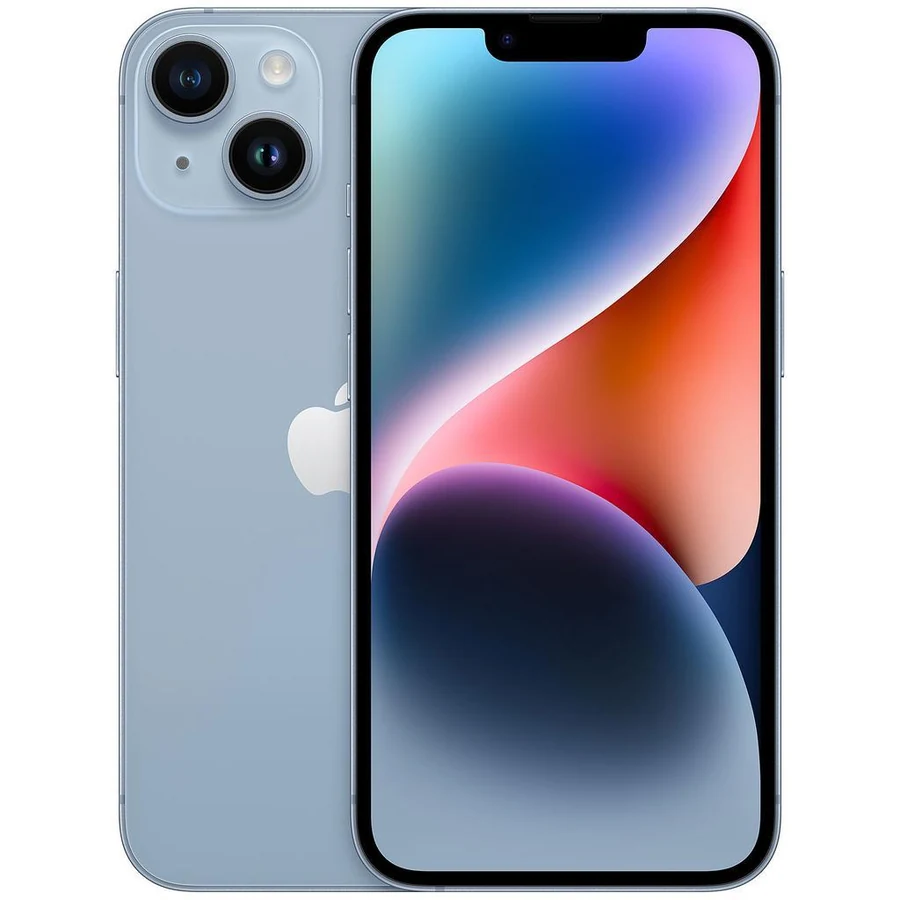
iPhone 14 · Desbloqueado
Desde

Preço recondicionado:USD 117 $

Preço em novo · USD 629 $

Ver opções

As diferenças num relance

The Samsung Galaxy S22 Plus 5G, released in February 2022, and the iPhone 14, launched in September 2022, are both prominent smartphones from their respective manufacturers. While the Galaxy S22 Plus operates on the Android ecosystem, the iPhone 14 runs on Apple's iOS, offering distinct user experiences. These devices cater to users seeking a premium smartphone experience, with key differences emerging in their display technology, camera systems, and overall software approach.

Modelos disponíveis

Cor

Storage (GB)

Pontuações

Durabilidade

When considering the long-term usability of these devices, their release timelines and software support are important factors.

  • Release Timeline: The Galaxy S22 Plus was released in February 2022, while the iPhone 14 followed in September 2022. This approximately seven-month difference means the iPhone 14 benefits from a slightly newer starting point in its lifecycle.
  • OS Support: Samsung typically provides four years of major Android OS updates and five years of security updates for its flagship devices, meaning the Galaxy S22 Plus, launched with Android 12, is expected to receive updates up to Android 16. Apple generally offers 5-6 years of major iOS updates, with the iPhone 14 launching with iOS 16 and currently running iOS 26.4.1, suggesting a comparable or slightly longer software longevity.
  • Practical Lifespan: Both devices are built with durable materials and are designed for extended use. The Galaxy S22 Plus features Gorilla Glass Victus+ on both the front and back, along with an aluminum frame, and carries an IP68 rating for dust and water resistance. The iPhone 14 incorporates a Ceramic Shield front cover, a glass back, and an aerospace-grade aluminum design, also boasting an IP68 rating for water and dust resistance. Users can expect several years of reliable performance from either device, with software support being a primary determinant of their practical lifespan.

Ano de lançamento

2022

2022

Último sistema operativo compatível

Sim

Sim

Sistema operativo

Android

iOS

Foldable

Não

Não

Desempenho

Both smartphones deliver robust performance for daily tasks and demanding applications, though they achieve this through different hardware and software optimizations.

  • System Responsiveness: The Galaxy S22 Plus is powered by a current-generation processor, either the Snapdragon 8 Gen 1 or the Exynos 2200 depending on the region, paired with 8GB of RAM. This configuration allows for smooth multitasking, quick app loading, and efficient handling of graphically intensive games. The iPhone 14 utilizes the A15 Bionic chip, which was also found in the previous generation's Pro models, combined with 6GB of RAM. This processor provides a highly responsive user experience, ensuring applications launch quickly and run fluidly.
  • Battery Behavior: The Galaxy S22 Plus is equipped with a 4500 mAh battery and supports 45W wired fast charging. User experiences with its battery life are varied, with some reporting average performance that may require a midday charge for heavy use, while others find it sufficient for a full day. The iPhone 14 has an estimated 3279 mAh battery capacity and offers up to 20 hours of video playback. Many users report satisfactory battery life, often lasting a full day with typical usage.
  • Storage Options: The Galaxy S22 Plus is available with 128GB or 256GB of internal storage. The iPhone 14 offers more storage flexibility, with options for 128GB, 256GB, and 512GB. Neither device supports expandable storage via a microSD card.

Qualidade do ecrã

The visual experience on both devices is a highlight, though they employ different technologies and specifications to achieve their display quality.

  • Display Technology and Clarity: The Galaxy S22 Plus features a 6.6-inch Dynamic AMOLED 2X display with a resolution of 1080 x 2340 pixels, resulting in sharp images and text. The iPhone 14 comes with a 6.1-inch Super Retina XDR OLED display, offering a resolution of 2532 x 1170 pixels, which translates to a pixel density of approximately 460 pixels per inch. Both OLED technologies provide deep blacks and vibrant colors.
  • Brightness and Refresh Rate: The Galaxy S22 Plus boasts an adaptive refresh rate that can scale from 48Hz to 120Hz, providing smooth scrolling and fluid animations, and can reach a peak brightness of 1750 nits, enhancing visibility in bright outdoor conditions. The iPhone 14 has a standard 60Hz refresh rate, which is considered lower than many contemporary smartphones, and offers a typical maximum brightness of 800 nits, with a peak of 1200 nits for HDR content.
  • Viewing Experience: The larger 6.6-inch screen of the Galaxy S22 Plus provides a more expansive canvas for media consumption and multitasking. The iPhone 14's 6.1-inch display offers a compact viewing experience that is comfortable for one-handed use.

Resolução

1080 x 2340

1170 x 2532

Tipo de ecrã

Dynamic AMOLED 2X

Super Retina XDR OLED

Imagem e som

Both smartphones offer capable camera systems designed to capture high-quality photos and videos, each with its own strengths and features.

  • Rear Camera System: The Galaxy S22 Plus features a versatile triple-camera setup, including a 50MP wide-angle main sensor with optical image stabilization (OIS), a 10MP telephoto lens with 3x optical zoom and OIS, and a 12MP ultrawide lens with a 120-degree field of view. This configuration provides flexibility for various shooting scenarios, from wide landscapes to zoomed-in subjects. The iPhone 14 is equipped with a dual-camera system, comprising a 12MP main camera with a larger sensor and sensor-shift OIS, and a 12MP ultrawide camera with a 120-degree field of view.
  • Photography Performance: The Galaxy S22 Plus excels in capturing detailed and vibrant photos, particularly in good lighting conditions, and its telephoto lens allows for clear zoomed-in shots. The iPhone 14 benefits from Apple's computational photography features like Photonic Engine and Deep Fusion, which enhance image quality, especially in mid-to-low light conditions across all cameras. Both devices offer features like Night mode and Portrait mode.
  • Video Recording Quality: The Galaxy S22 Plus can record video at up to 8K resolution at 24 frames per second (fps) and 4K at 30/60fps. It also includes features like Super Steady video. The iPhone 14 supports 4K Dolby Vision HDR video recording at various frame rates (24, 25, 30, or 60 fps) and introduces Cinematic mode for shallow depth-of-field effects and Action mode for enhanced video stabilization.

Câmara principal

50 megapixels

12 megapixels

Câmara frontal

10 megapixels

12 megapixels

Outras características

Beyond core performance and display, several practical elements differentiate these two smartphones, impacting daily usability and connectivity.

  • Connectivity Options: Both devices support 5G networks for faster mobile data speeds. The Galaxy S22 Plus offers Wi-Fi 6E and Bluetooth 5.2, along with Ultra Wideband (UWB) for precise short-range communication and NFC for contactless payments. The iPhone 14 supports Wi-Fi 6 and Bluetooth 5.3, also featuring an Ultra Wideband chip and NFC.
  • Port Types: A significant difference lies in their physical connectors. The Galaxy S22 Plus utilizes a USB Type-C 3.2 port, which is a widely adopted standard for charging and data transfer. The iPhone 14 continues to use Apple's proprietary Lightning connector for charging and data syncing.
  • Biometric Security and Build: The Galaxy S22 Plus incorporates an in-display fingerprint sensor for secure unlocking. The iPhone 14 relies on Face ID, Apple's facial recognition system, for biometric authentication. In terms of build, the Galaxy S22 Plus features an aluminum frame and Gorilla Glass Victus+ on both the front and back. The iPhone 14 has an aerospace-grade aluminum frame with a Ceramic Shield front cover and a glass back.
  • Dimensions and Weight: The Galaxy S22 Plus measures 157.4 x 75.8 x 7.6 mm and weighs 195g. The iPhone 14 is more compact at 146.7 x 71.5 x 7.8 mm and lighter at 172g.

Peso

7 oz

6 oz

Largura

—

2.82 in

Altura

—

5.78 in

Profundidade

—

0.31 in

Tamanho do ecrã (polegadas)

6.6

6.1

Rede

5G

5G

Cartão SIM

Physical SIM + eSIM

eSIM

Carrier compatibility

Desbloqueado

Desbloqueado

Conector

USB-C

Lightning

A opinião da comunidade

User feedback for the Galaxy S22 Plus often highlights its vibrant and bright display, smooth 120Hz refresh rate, and versatile camera system with optical zoom as strong points. Some users have noted that while the battery life is generally good, heavy usage might require a charge before the day ends. The iPhone 14 is frequently praised for its consistent performance, reliable camera, and generally good battery life for typical use. A common point of discussion among users is its 60Hz display, which some find less fluid compared to devices with higher refresh rates.

Users prioritizing a larger, smoother display with a higher refresh rate and a dedicated telephoto camera might find the Galaxy S22 Plus better suited to their needs. Its USB-C port also offers broader compatibility with accessories. Conversely, individuals who prefer the iOS ecosystem, a slightly more compact device, and a strong focus on computational photography and video features may lean towards the iPhone 14. Both devices represent solid choices within their respective operating systems, offering a premium smartphone experience.

For those looking for an eco-friendly alternative, both the Galaxy S22 Plus and iPhone 14 are available as quality-assured Recondicionado options, providing a sustainable choice without compromising on performance.

WhatsApp