
Compare models

Galaxy S22 Ultra 5G · E wātea ana ki ngā whatunga katoa vs iPhone Air · E wātea ana ki ngā whatunga katoa

  • Pūtāhui kotahi tau
  • Shipping rates shown at checkout
  • Ka taea te whakahoki i roto i ngā rā 14 (ka pā ngā tikanga tuku whakahoki)
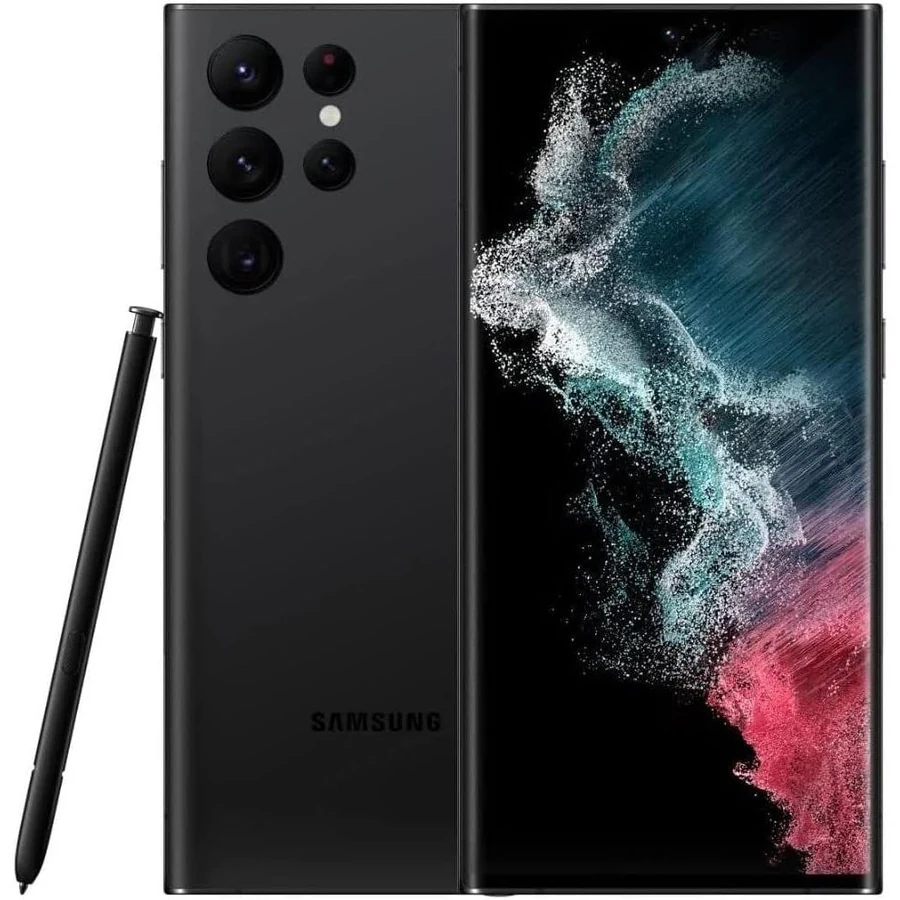
Galaxy S22 Ultra 5G · E wātea ana ki ngā whatunga katoa
Mai i

Utu mō te mea kua whakahoungia:117 $

Utu mō te mea hou · 899 $

Tirohia ngā kōwhiringa
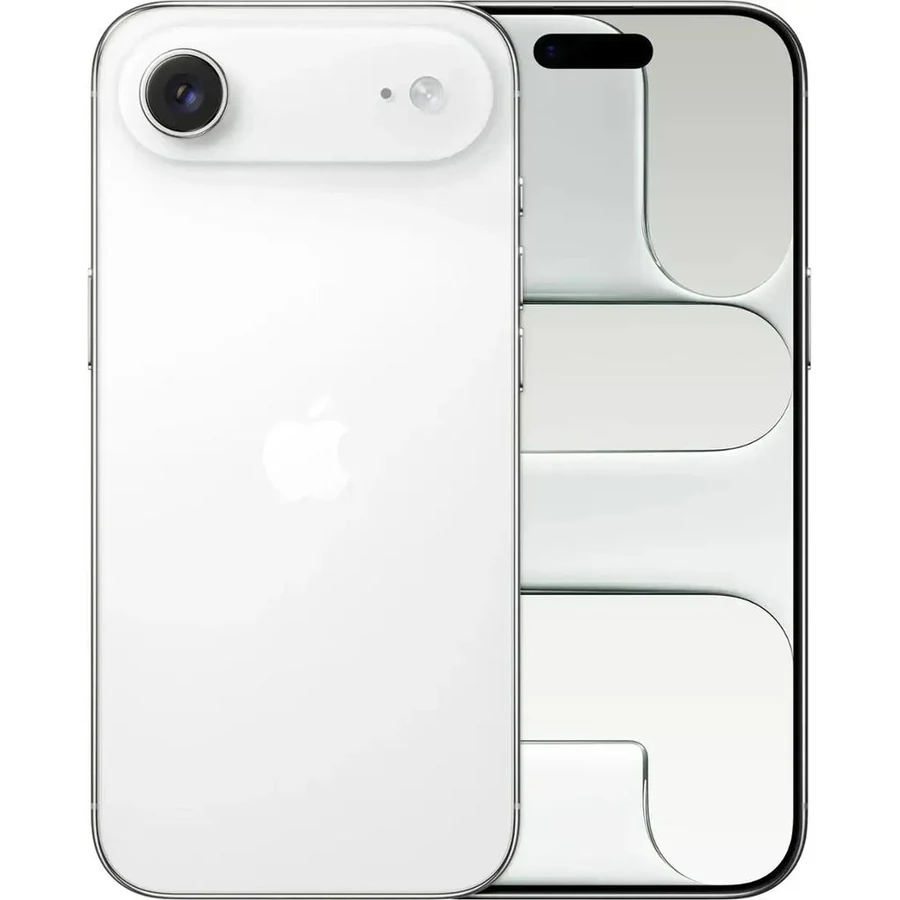
iPhone Air · E wātea ana ki ngā whatunga katoa
Mai i

Utu mō te mea kua whakahoungia:269 $

Utu mō te mea hou · 1099 $

Tirohia ngā kōwhiringa

He tirohanga poto ki ngā rerekētanga

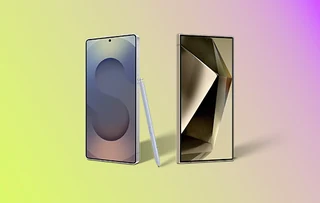
The Samsung Galaxy S22 Ultra 5G (2022) and the iPhone Air (2025) represent distinct approaches to high-end mobile devices, bridging different generations and operating systems. While the Galaxy S22 Ultra functions as a feature-rich productivity tool running on Android, the iPhone Air prioritizes an ultra-slim profile within the iOS ecosystem. These two devices cater to contrasting user preferences regarding physical design and daily software utility.

Ngā tauira e wātea ana

Tae

Storage (GB)

Ngā kaute

Te pakari

The iPhone Air and the Galaxy S22 Ultra differ significantly in their release timelines and subsequent software support structures, directly influencing their operational longevity.

  • Release Timeline and Software Support: The Galaxy S22 Ultra debuted in early 2022, whereas the iPhone Air arrived in late 2025, granting the Apple device a multi-year advantage in remaining update cycles and official system support.
  • Build and Repairability: Both handsets incorporate robust water resistance and sturdy glass construction, though daily wear varies depending on usage intensity and the chosen quality-assured refurbished option.
  • Expected Lifespan: The newer hardware architecture of the iPhone Air positions it for extended future readiness, while the Galaxy S22 Ultra relies on its robust build to maintain utility for users seeking established Android features.

Te tau i tukuna ai

2022

2025

Te pūnaha whakahaere hototahi hōu rawa

—

Āe

Pūnaha whakahaere

Android

iOS

Foldable

—

Kāo

Te kaha mahi

Daily execution speeds and multitasking efficiency vary between the two models due to their distinct hardware generations and internal layouts.

  • Multitasking and Responsiveness: The iPhone Air handles demanding applications and rapid window switching smoothly, while the Galaxy S22 Ultra manages heavy workloads effectively with its ample memory configuration.
  • Battery Behavior: The Galaxy S22 Ultra features a larger physical battery capacity suited for extended daily use, whereas the iPhone Air relies on power-efficient processing to manage energy consumption within its slim chassis.
  • Storage Configurations: Both devices offer spacious internal storage tiers starting from generous baselines, accommodating large media libraries and application data without external expansion slots.

Te kounga o te mata

Visual output and display engineering reflect distinct design priorities for media consumption and outdoor visibility.

  • Display Technology and Clarity: Both models utilize advanced organic light-emitting diode panels that deliver deep contrast levels, sharp resolutions, and vivid color reproduction.
  • Brightness and Outdoor Legibility: The iPhone Air achieves high peak outdoor brightness levels, and the Galaxy S22 Ultra similarly employs adaptive outdoor enhancement tools to maintain screen clarity under direct sunlight.
  • Refresh Rate and Size: The Galaxy S22 Ultra presents a slightly larger canvas with curved edges, while the iPhone Air offers a flat panel equipped with an adaptive high refresh rate for smooth scrolling.

Taumira

—

2736x1260

Te momo mata

—

Super Retina XDR

Te ataata me te oro

The photography and audio recording setups cater to different content capture styles, ranging from multi-lens versatility to streamlined single-sensor efficiency.

  • Camera System Versatility: The Galaxy S22 Ultra provides a quad-lens array featuring dedicated zoom capabilities for distant subjects, whereas the iPhone Air employs a single high-resolution primary sensor housed within a distinct rear plateau.
  • Low-Light and Video Performance: Both devices capture clear details in dim environments and record stable high-definition video with effective stabilization algorithms.
  • Audio Output: Media playback and voice call clarity remain distinct, with the Galaxy S22 Ultra utilizing stereo speaker output and the iPhone Air focusing on streamlined acoustic delivery.

Kāmera matua

—

48 megapixels

Kāmera o mua

—

18 megapixels

Ētahi atu āhuatanga

Physical handling characteristics and connectivity standards highlight the stark architectural differences between the two smartphones.

  • Dimensions and Weight: The iPhone Air emphasizes a lightweight and exceptionally thin profile, contrasting with the heavier, boxier footprint of the Galaxy S22 Ultra which accommodates an integrated stylus silo.
  • Security and Biometrics: The Galaxy S22 Ultra features an ultrasonic in-display fingerprint scanner alongside facial recognition, while the iPhone Air relies on facial mapping technology.
  • Connectivity and Ports: Both models support modern fifth-generation cellular networks and wireless standards, utilizing standard connector ports for wired charging and data transfer.

Taumaha

—

Not available

Te rahi o te mata (inihi)

6.8

6.5

Whatunga

5G

5G

Kāri SIM

Dual Physical SIM + eSIM

eSIM

Carrier compatibility

E wātea ana ki ngā whatunga katoa

E wātea ana ki ngā whatunga katoa

Ngā whakaaro o te hapori

Users evaluating these two smartphones often point out distinct experiential advantages on both sides. Owners of the Galaxy S22 Ultra frequently praise its integrated stylus functionality, expansive display, and versatile multi-lens camera system for creative tasks. Conversely, users drawn to the iPhone Air highlight its remarkably lightweight footprint, modern software environment, and comfortable handling. Common discussions frequently note that the Galaxy S22 Ultra can feel bulky in smaller pockets, while some users miss having dedicated optical zoom lenses on the iPhone Air.

Users prioritizing productivity tools, extensive zoom photography, and an integrated stylus may prefer the Galaxy S22 Ultra. Meanwhile, users prioritizing a featherlight physical design, streamlined single-lens photography, and the iOS ecosystem will lean toward the iPhone Air. Choosing a sustainable, quality-assured refurbished option from RefurbLane allows consumers to secure either device while supporting eco-friendly technology consumption. Ultimately, the right choice depends entirely on individual daily workflows and preferred physical handling characteristics.
Ā mātou whakataurite hou

WhatsApp