
Compare models
Galaxy S22 Ultra 5G · E wātea ana ki ngā whatunga katoa vs iPhone 17 Pro · E wātea ana ki ngā whatunga katoa
- Pūtāhui kotahi tau
- Shipping rates shown at checkout
- Ka taea te whakahoki i roto i ngā rā 14 (ka pā ngā tikanga tuku whakahoki)
He tirohanga poto ki ngā rerekētanga
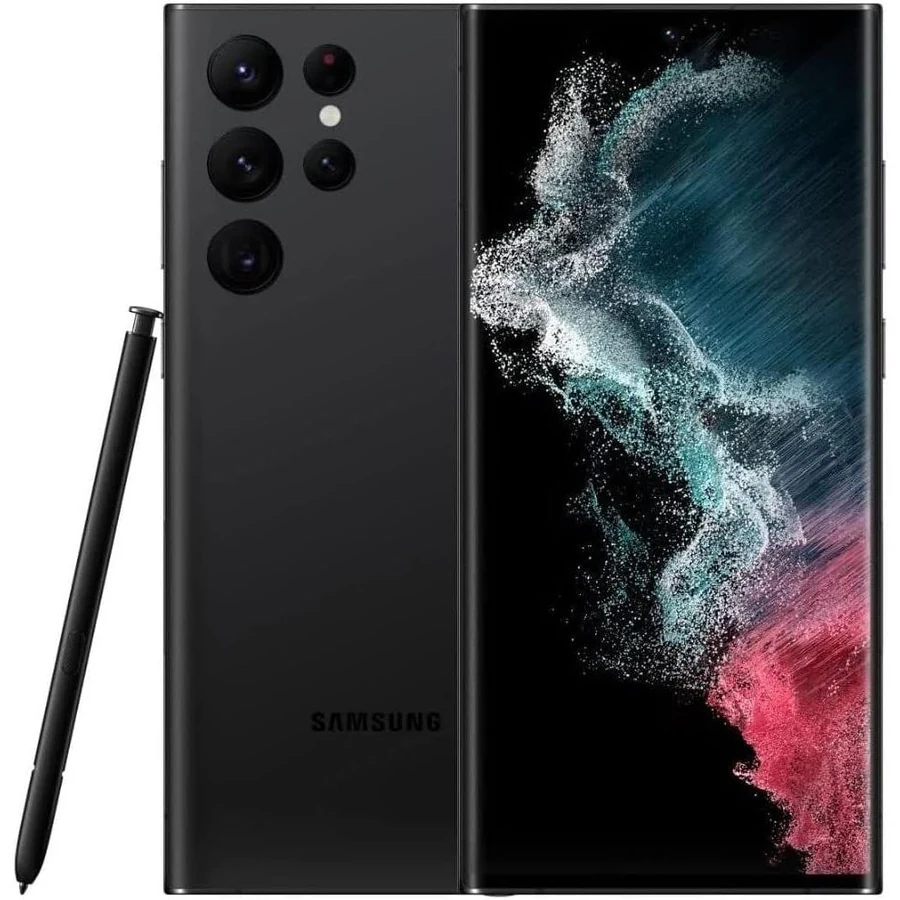
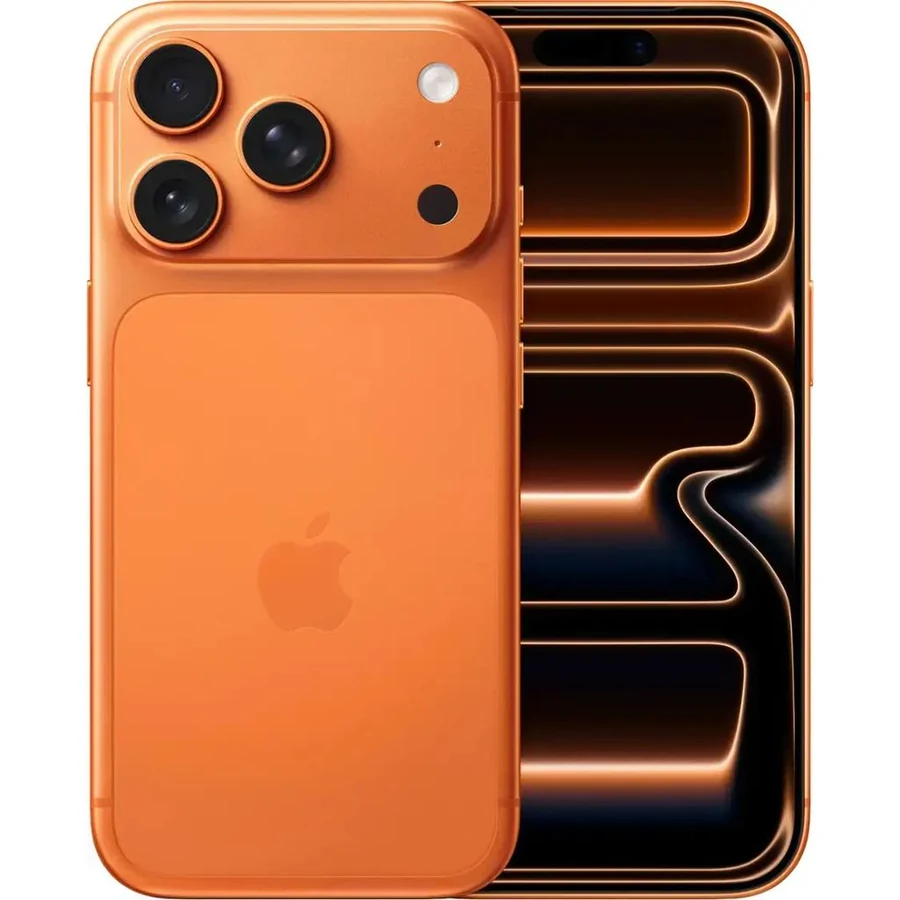
The Samsung Galaxy S22 Ultra 5G (2022) and the Apple iPhone 17 Pro (2025) represent two distinct approaches to high-end mobile engineering, bridging different release years and operating systems. While the Galaxy S22 Ultra runs on Android and emphasizes integrated stylus functionality within a large-form chassis, the iPhone 17 Pro operates on iOS and prioritizes compact ergonomics alongside updated internal processing. These devices cater to users seeking premium features, though their core design philosophies diverge significantly.
Ngā tauira e wātea ana
Tae
Storage (GB)
Ngā kaute
Te pakari
When evaluating structural longevity and software support, both smartphones offer distinct timelines based on their respective release schedules and manufacturer policies.
- Software Support Window: The iPhone 17 Pro benefits from a later release year, positioning it to receive iOS updates for a longer chronological window compared to the Galaxy S22 Ultra.
- Repairability and Build: Both models utilize robust aluminum and reinforced glass constructions with high-level dust and water resistance ratings, though repair availability varies by regional service networks.
- Practical Lifespan: Users can expect several years of reliable daily utility from either handset, with the choice depending largely on preferred operating system ecosystems and update longevity requirements.
Te tau i tukuna ai
2022
2025
Te pūnaha whakahaere hototahi hōu rawa
—
Āe
Pūnaha whakahaere
Android
iOS
Foldable
—
Kāo
Te kaha mahi
Daily responsiveness, multitasking capabilities, and energy management differ notably between the two hardware ecosystems.
- Multitasking and Processing: Both devices handle demanding applications, complex workflows, and graphic-intensive tasks smoothly, though the iPhone 17 Pro utilizes newer generation system architecture for enhanced thermal efficiency.
- Battery Behavior: The Galaxy S22 Ultra incorporates a larger physical capacity to sustain its expansive screen, whereas the iPhone 17 Pro relies on software-level power optimization to navigate a full day of standard mixed use.
- Storage Configurations: Both smartphones provide multiple internal storage tiers to accommodate extensive photo libraries, applications, and offline media files without expandable card slots.
Te kounga o te mata
Visual output characteristics vary across panel dimensions, peak illumination capabilities, and refresh mechanics.
- Display Technology: Both models employ advanced OLED panels that deliver deep contrast levels, rich color reproduction, and high pixel density for crisp text rendering.
- Brightness and Outdoor Legibility: The screens achieve high peak brightness thresholds, ensuring content remains clear and readable even under direct sunlight.
- Refresh Dynamics: Both devices support adaptive refresh rates scaling up to a high frequency, ensuring fluid scrolling movements and responsive touch interactions during daily navigation.
Taumira
—
2622x1206
Te momo mata
—
Super Retina XDR
Te ataata me te oro
Imaging and acoustic hardware cater to diverse multimedia creation and consumption preferences.
- Camera Systems: The Galaxy S22 Ultra features a versatile multi-lens array highlighted by high-resolution sensors and long-range optical zoom capabilities, while the iPhone 17 Pro utilizes a balanced triple-lens configuration optimized for consistent color science and low-light fidelity.
- Video Recording: Both handsets deliver stable, high-resolution video capture with advanced stabilization features suitable for everyday recording and creative projects.
- Audio Output: Built-in stereo speaker systems produce clear sound quality for hands-free calls, media streaming, and casual listening sessions.
Kāmera matua
—
48 megapixels
Kāmera o mua
—
18 megapixels
Ētahi atu āhuatanga
Physical dimensions, connectivity standards, and supplementary features define the everyday handling experience.
- Handling and Form Factor: The Galaxy S22 Ultra provides a wider, angular footprint with an integrated stylus compartment, whereas the iPhone 17 Pro offers a more rounded, compact profile that is lighter in the hand.
- Connectivity Protocols: Both models support modern 5G cellular networks, high-speed Wi-Fi standards, and Bluetooth pairing for seamless wireless accessory integration.
- Security and Ports: The Galaxy S22 Ultra uses an in-screen ultrasonic fingerprint sensor alongside facial recognition, while the iPhone 17 Pro relies on secure facial authentication, with both utilizing standard physical charging ports.
Taumaha
—
Not available
Te rahi o te mata (inihi)
6.8
6.3
Whatunga
5G
5G
Kāri SIM
Dual Physical SIM + eSIM
eSIM
Carrier compatibility
E wātea ana ki ngā whatunga katoa
Ngā whakaaro o te hapori
Community discussions indicate that users appreciate the Galaxy S22 Ultra for its expansive canvas and built-in writing tool, though some note its larger physical footprint can feel heavy during prolonged one-handed use. Conversely, users frequently praise the iPhone 17 Pro for its refined ergonomics and reliable battery efficiency, while some mention a preference for broader customization options found on alternative software platforms. Choosing between these devices ultimately depends on individual workflow habits and ecosystem preferences.
Users who prioritize multitasking workspace flexibility and stylus input will find the Galaxy S22 Ultra well-suited to their needs. Meanwhile, users who prefer a compact build, streamlined operating system, and long-term software support may lean toward the iPhone 17 Pro. For those exploring a sustainable choice, opting for a quality-assured refurbished option provides a practical way to acquire either model while supporting eco-friendly technology consumption.