
Compare models

Galaxy S22 5G · E wātea ana ki ngā whatunga katoa vs iPhone 17 · E wātea ana ki ngā whatunga katoa

  • Pūtāhui kotahi tau
  • Shipping rates shown at checkout
  • Ka taea te whakahoki i roto i ngā rā 14 (ka pā ngā tikanga tuku whakahoki)
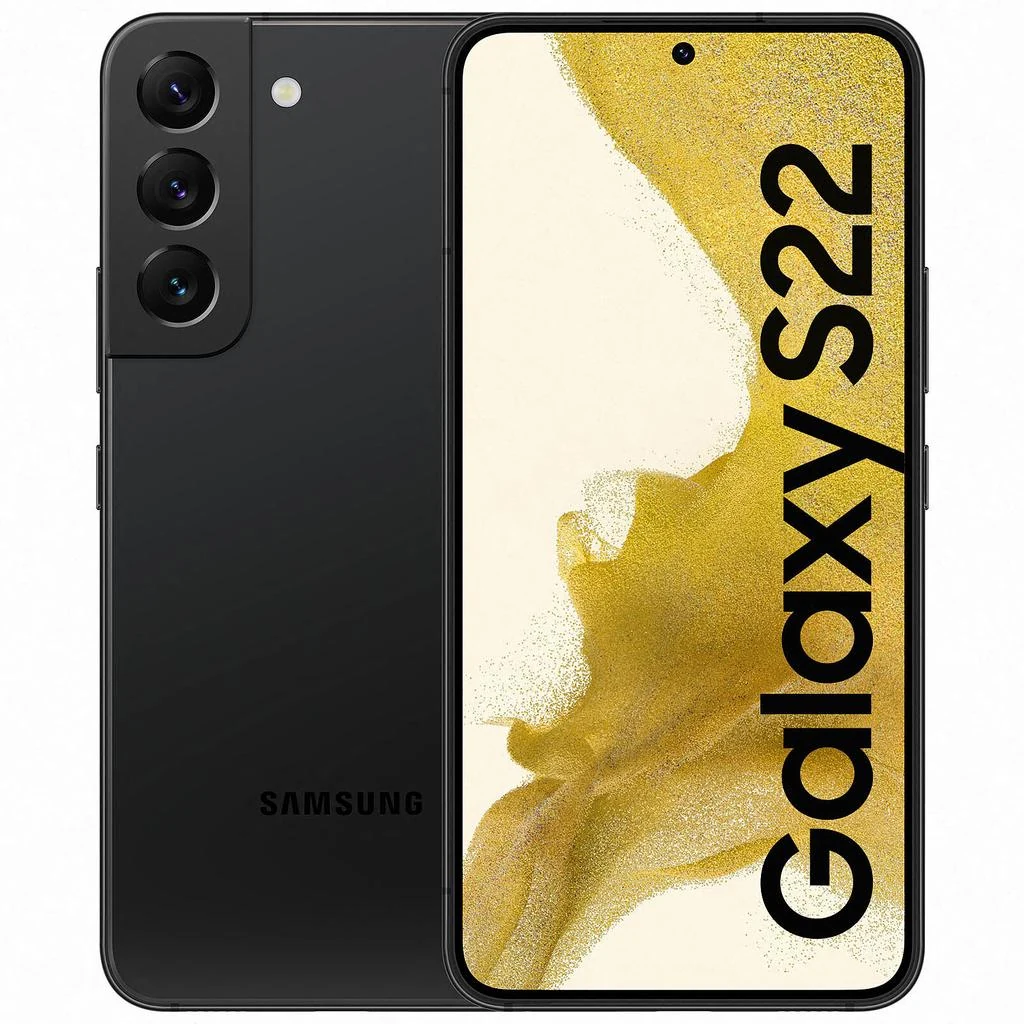
Galaxy S22 5G · E wātea ana ki ngā whatunga katoa
Mai i

Utu mō te mea kua whakahoungia:USD 68 $

Utu mō te mea hou · USD 579 $

Tirohia ngā kōwhiringa
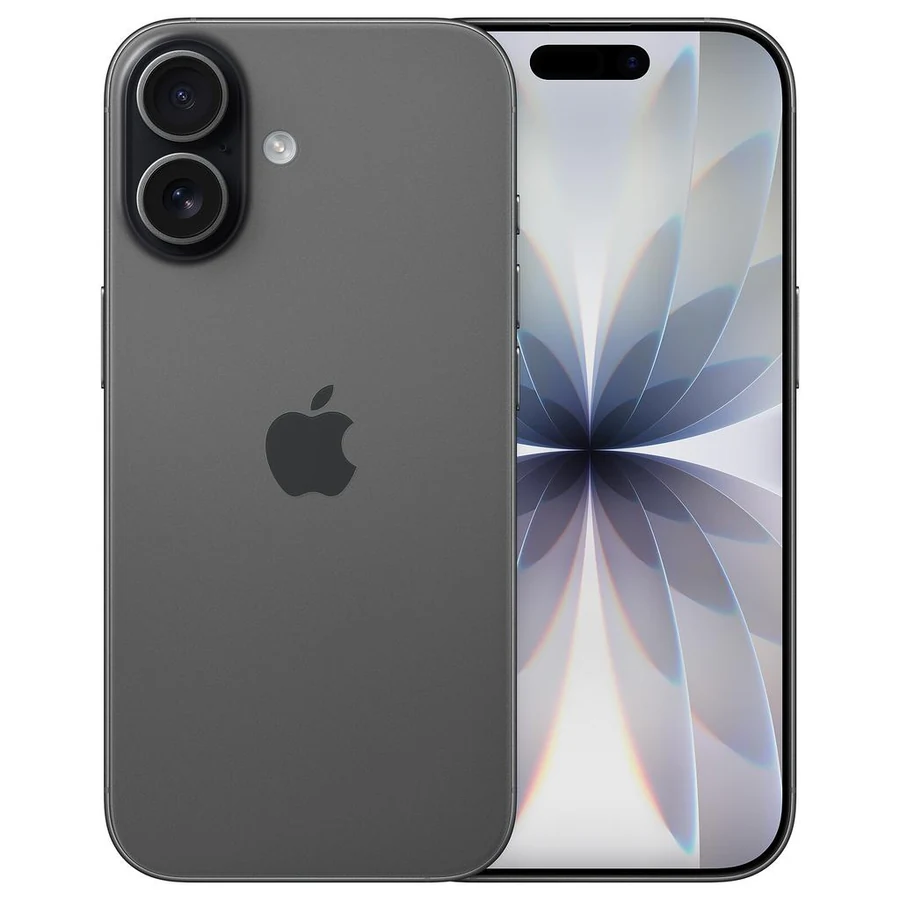
iPhone 17 · E wātea ana ki ngā whatunga katoa
Mai i

Utu mō te mea kua whakahoungia:USD 249 $

Utu mō te mea hou · USD 929 $

Tirohia ngā kōwhiringa

He tirohanga poto ki ngā rerekētanga

The Samsung Galaxy S22 5G (2022) and the Apple iPhone 17 (2025) represent different generations and ecosystems in the smartphone market, offering distinct approaches to everyday mobile technology. While the Galaxy S22 runs on Android with Samsung's One UI, the iPhone 17 operates on Apple's iOS platform. These devices vary significantly in release year, processing capability, and hardware layout, making them suited for users with contrasting ecosystem preferences and functional needs.

Ngā tauira e wātea ana

Tae

Storage (GB)

Ngā kaute

Te pakari

When evaluating hardware longevity and software support, both devices handle routine updates differently based on their respective release schedules and manufacturer policies.

  • Software Support: The iPhone 17 benefits from a later release year, ensuring extended operating system upgrades and security patches over time compared to the earlier-generation Galaxy S22.
  • Build Resilience: Both models incorporate durable glass and aluminum or armor-aluminum framing with IP68 water and dust resistance, helping them withstand daily wear and tear.
  • Lifespan Outlook: Users choosing a quality-assured refurbished option can extend the operational life of these devices while reducing electronic waste through sustainable purchasing habits.

Te tau i tukuna ai

2022

2025

Te pūnaha whakahaere hototahi hōu rawa

—

Āe

Pūnaha whakahaere

—

iOS

Foldable

—

Kāo

Te kaha mahi

System responsiveness and daily multitasking capabilities vary across both models, reflecting their generational gaps in hardware design and memory allocation.

  • App Multitasking: The iPhone 17 features increased RAM capacity and efficient processing architecture that handle demanding applications and rapid switching smoothly.
  • Processing Power: The Galaxy S22 relies on an earlier-generation flagship processor that manages standard web browsing, messaging, and casual media consumption effectively, though heavy gaming may cause warmth over extended periods.
  • Battery Behavior: The iPhone 17 typically delivers longer endurance during heavy video playback and mixed usage, whereas the Galaxy S22's smaller battery capacity often requires a midday recharge for intensive users.

Te kounga o te mata

Visual clarity and display performance differ noticeably in refresh rate technology, outdoor brightness peaks, and panel dimensions.

  • Display Technology: Both models utilize vibrant OLED panels that deliver deep blacks and high contrast ratios, though the iPhone 17 incorporates a slightly larger 6.3-inch screen with advanced adaptive refresh rates.
  • Outdoor Legibility: The iPhone 17 reaches higher peak outdoor brightness levels, making on-screen text easier to read under direct sunlight.
  • Smoothness: Both devices offer fluid scrolling and responsive touch interaction, with adaptive scaling that adjusts smoothness based on the active content.

Taumira

—

2622x1206

Te momo mata

—

Super Retina XDR

Te ataata me te oro

Optics and multimedia configurations provide versatile recording options for everyday photography, video creation, and audio output.

  • Camera Hardware: The Galaxy S22 includes a dedicated telephoto lens for optical zoom framing, while the iPhone 17 utilizes high-resolution primary and ultra-wide sensors with digital crop capabilities.
  • Video and Low Light: Both platforms excel at capturing balanced low-light images and stable video recording, though processing styles differ between Samsung's vivid color tuning and Apple's natural tone reproduction.
  • Media Consumption: Stereo speakers on both units deliver clear audio output for hands-free calls, podcasts, and casual video streaming.

Kāmera matua

—

48 megapixels

Kāmera o mua

—

18 megapixels

Ētahi atu āhuatanga

Practical daily usability elements such as connectivity, physical dimensions, and biometric security shape how each device fits into routine handling.

  • Physical Design: The Galaxy S22 provides a notably compact and lightweight form factor for single-handed use, while the iPhone 17 offers a slightly taller profile with modern flat edges.
  • Hononga: The iPhone 17 supports advanced wireless standards including Wi-Fi 7 and updated Bluetooth protocols, alongside a universal USB-C port.
  • Biometrics: Security is handled via facial recognition on the Apple device and an in-display ultrasonic fingerprint sensor on the Samsung model.

Taumaha

—

6.24 oz (177 g)

Te rahi o te mata (inihi)

6.1

6.3

Whatunga

5G

5G

Kāri SIM

Dual Physical SIM + eSIM

eSIM

Carrier compatibility

E wātea ana ki ngā whatunga katoa

E wātea ana ki ngā whatunga katoa

Ngā whakaaro o te hapori

User feedback from online communities highlights distinct community perspectives for both smartphones. Galaxy S22 owners frequently praise its compact physical footprint, comfortable ergonomics, and reliable daily performance for basic tasks. However, some users note that battery endurance under heavy usage can be limiting. Conversely, iPhone 17 users frequently commend its extended battery longevity, bright outdoor display, and rapid system responsiveness, though some mention that transitioning between operating systems requires an adjustment period.

Users prioritizing a pocket-friendly form factor and integration with the Android ecosystem may prefer the Galaxy S22. Meanwhile, users prioritizing maximum battery endurance, a larger high-refresh display, and long-term software support may lean toward the iPhone 17. Selecting either model as a quality-assured refurbished option provides a sustainable, eco-friendly alternative that aligns personal technology needs with environmental responsibility.

Ā mātou whakataurite hou

WhatsApp