Compare models
Galaxy S22 5G · E wātea ana ki ngā whatunga katoa vs Galaxy Z Flip7 · E wātea ana ki ngā whatunga katoa
- Pūtāhui kotahi tau
- Shipping rates shown at checkout
- Ka taea te whakahoki i roto i ngā rā 14 (ka pā ngā tikanga tuku whakahoki)
He tirohanga poto ki ngā rerekētanga
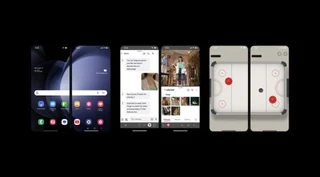
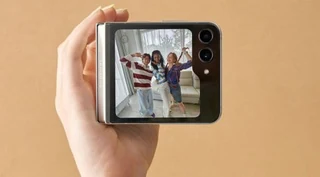
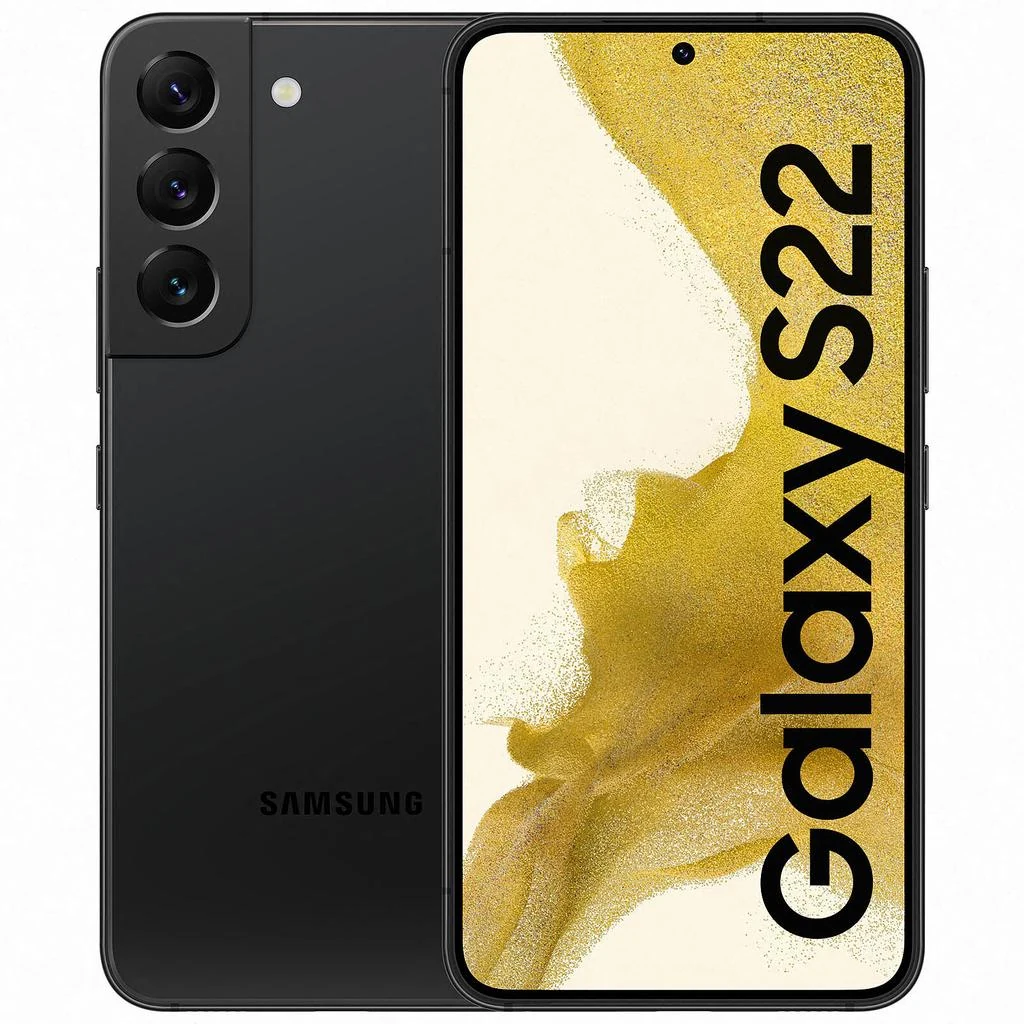
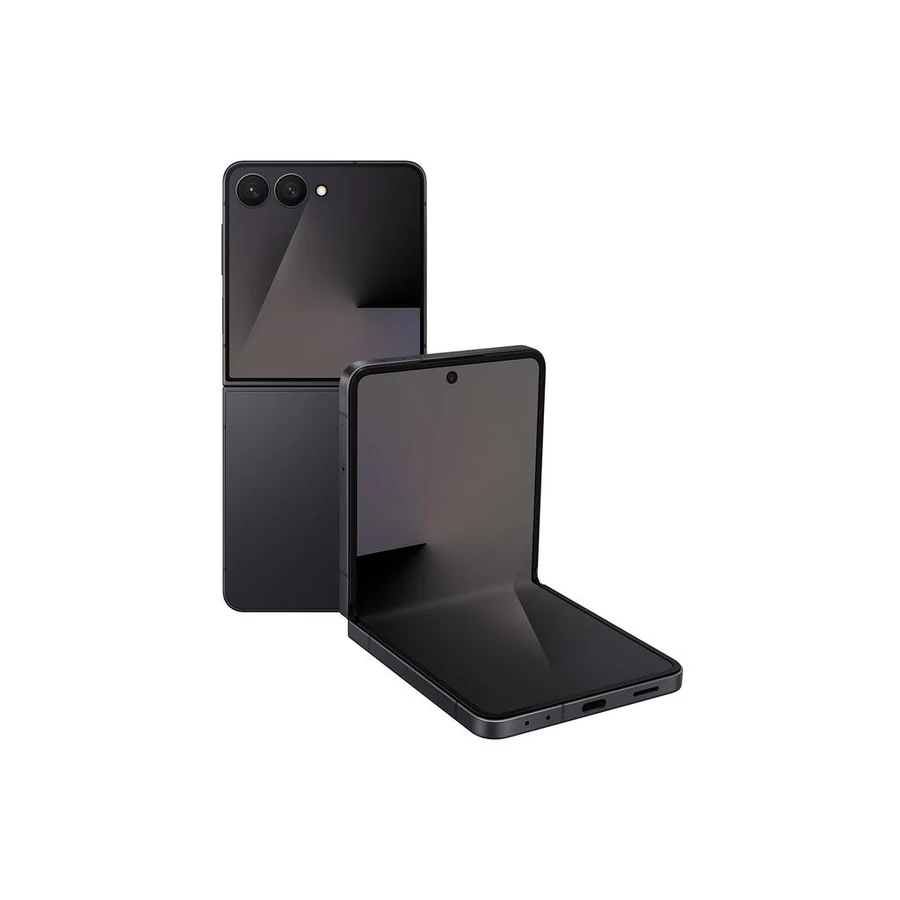
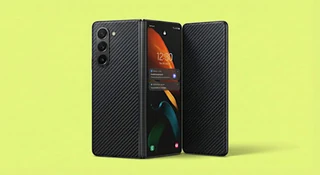
The Samsung Galaxy S22 5G (2022) and the Samsung Galaxy Z Flip7 (2025) represent two entirely different approaches to modern smartphone design, contrasting a traditional candy-bar flagship with an innovative clamshell foldable. While the Galaxy S22 provides a pocket-friendly, solid daily communication tool in a standard layout, the Galaxy Z Flip7 introduces a flexible main screen and an expanded cover display running newer software.
These devices operate on different generations of the Android operating system out of the box, tailoring distinct long-term usability profiles for users evaluating hardware layout preferences alongside software support timelines.
Ngā tauira e wātea ana
Tae
Storage (GB)
Ngā kaute
Te pakari
The Galaxy S22 and Galaxy Z Flip7 span different release generations, resulting in distinct software support windows and expected physical lifespans.
- Release timeline and support: The Galaxy Z Flip7 benefits from a much newer launch date and a longer manufacturer software support commitment, whereas the older Galaxy S22 is closer to the end of its primary update cycle.
- Repairability and build maintenance: Standard bar phones like the Galaxy S22 generally feature simpler structural housing, while folding devices require specialized hinge maintenance and screen care over years of heavy physical folding.
- Expected lifespan: Users tracking software longevity will find that the newer foldable retains active security patches for significantly longer, though both handle everyday tasks capably within their current operational windows.
Te tau i tukuna ai
2022
2025
Te pūnaha whakahaere hototahi hōu rawa
—
Āe
Pūnaha whakahaere
—
Android
Foldable
—
Āe
Te kaha mahi
Performance capabilities vary significantly due to hardware generational leaps and internal memory allocations between these two models.
- Multitasking and memory: The Galaxy Z Flip7 includes a larger RAM capacity that smoothly handles heavy multitasking and background app switching, whereas the Galaxy S22 relies on standard memory configurations suitable for basic everyday use.
- System responsiveness: Modern app loading, intensive mobile gaming, and complex processing run noticeably faster on the newer foldable due to architectural improvements in its processor.
- Battery behavior: The Galaxy Z Flip7 features a larger battery capacity that comfortably powers through a full day of mixed usage, while the smaller battery on the Galaxy S22 often requires a mid-day top-up for heavy users.
Te kounga o te mata
Display engineering highlights the most striking physical divergence between these two Samsung smartphones.
- Display technology: The Galaxy S22 utilizes a compact, rigid display panel, whereas the Galaxy Z Flip7 features a flexible folding screen paired with a large, functional cover display for quick interactions.
- Brightness and outdoor visibility: Both models offer vibrant colors and high peak brightness levels, ensuring content remains legible under direct sunlight.
- Refresh rate and smoothness: Both devices support high refresh rates that deliver fluid scrolling through web pages and smooth animation transitions during regular navigation.
Taumira
—
—
Te momo mata
—
Foldable Dynamic LTPO AMOLED 2X
Te ataata me te oro
Media capture and multimedia playback capabilities reflect distinct hardware iterations across both smartphone generations.
- Camera versatility: Both models utilize capable multi-lens setups that capture sharp everyday photos and detailed wide-angle shots, with newer image processing algorithms on the Flip7 enhancing low-light clarity.
- Video and audio output: Video recording remains stable and clear on both devices, while stereo speaker setups provide balanced audio output for casual media streaming and hands-free calls.
- Form factor utility: The folding design of the Galaxy Z Flip7 allows for unique hands-free photo angles and tripod-free recording stances that traditional bar phones cannot replicate.
Ētahi atu āhuatanga
Practical daily usability features vary significantly in terms of physical dimensions, physical resilience, and accessory connectivity.
- Build materials and handling: The Galaxy S22 offers a rigid, compact aluminum and glass frame that fits easily into small pockets, while the Galaxy Z Flip7 folds in half to minimize pocket footprint despite a taller unfolded profile.
- Durability ratings: The Galaxy S22 features traditional water resistance ratings, whereas foldable options require careful handling around dust particles despite improved hinge designs.
- Authentication and ports: Both models utilize secure biometric unlocking methods like fingerprint recognition, alongside standard type-c charging ports and fast wireless connectivity options.
Taumaha
—
—
Te rahi o te mata (inihi)
6.1
6.9
Whatunga
5G
5G
Kāri SIM
Dual Physical SIM + eSIM
Physical SIM + eSIM
Carrier compatibility
E wātea ana ki ngā whatunga katoa
Ngā whakaaro o te hapori
Choosing between these two devices depends heavily on physical form-factor preferences and hardware longevity requirements. Users prioritizing a compact, traditional phone shape with a sturdy, rigid body will find the Galaxy S22 well-suited to standard daily communication tasks. Conversely, users who favor an innovative folding layout, expanded screen workspace, and extended software support timelines will naturally lean toward the Galaxy Z Flip7. Actual owners frequently praise the pocketability of both models, though some note that traditional bar designs resist drops more predictably than complex folding joints.
For those looking to make a sustainable choice, exploring a quality-assured refurbished option provides a reliable, eco-friendly alternative that extends device life cycles without sacrificing modern performance capabilities. Evaluating individual workflow needs remains the best guide for selecting the ideal smartphone model.