
Compare models
Galaxy S21 FE 5G · Gan ghlas líonra vs iPhone Air · Gan ghlas líonra
- Baránta bliana
- Shipping rates shown at checkout
- Aischur laistigh de 14 lá (baineann coinníollacha poist aischuir leis)
Na difríochtaí go hachomair
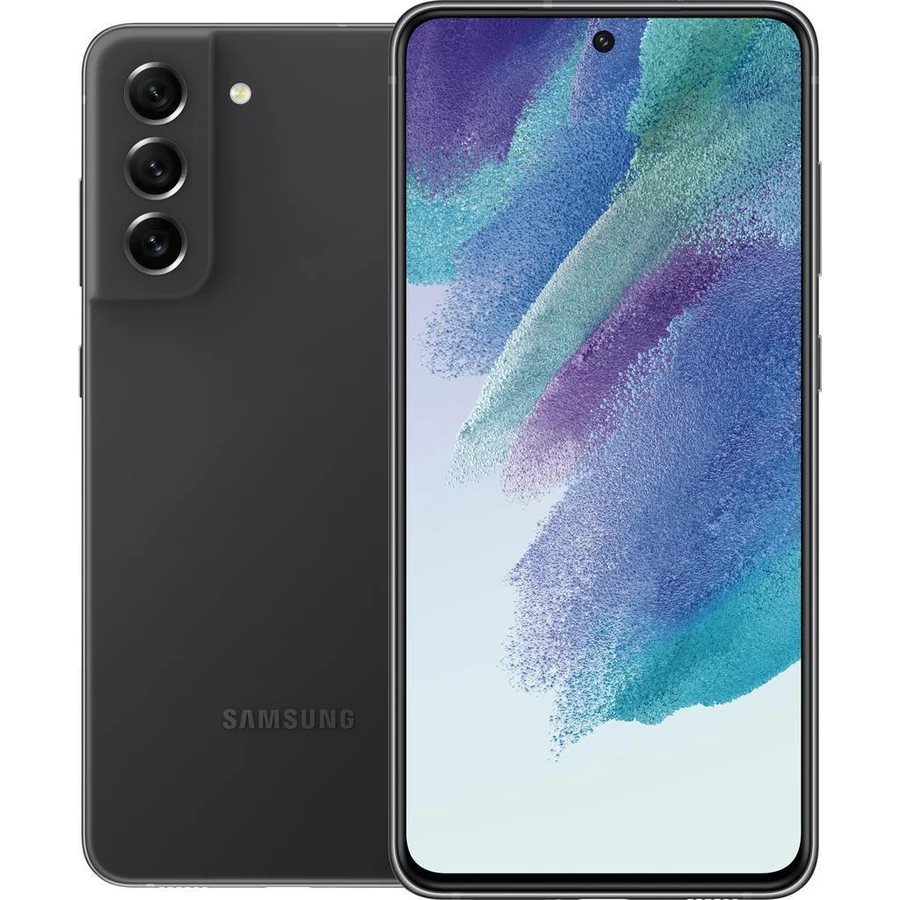
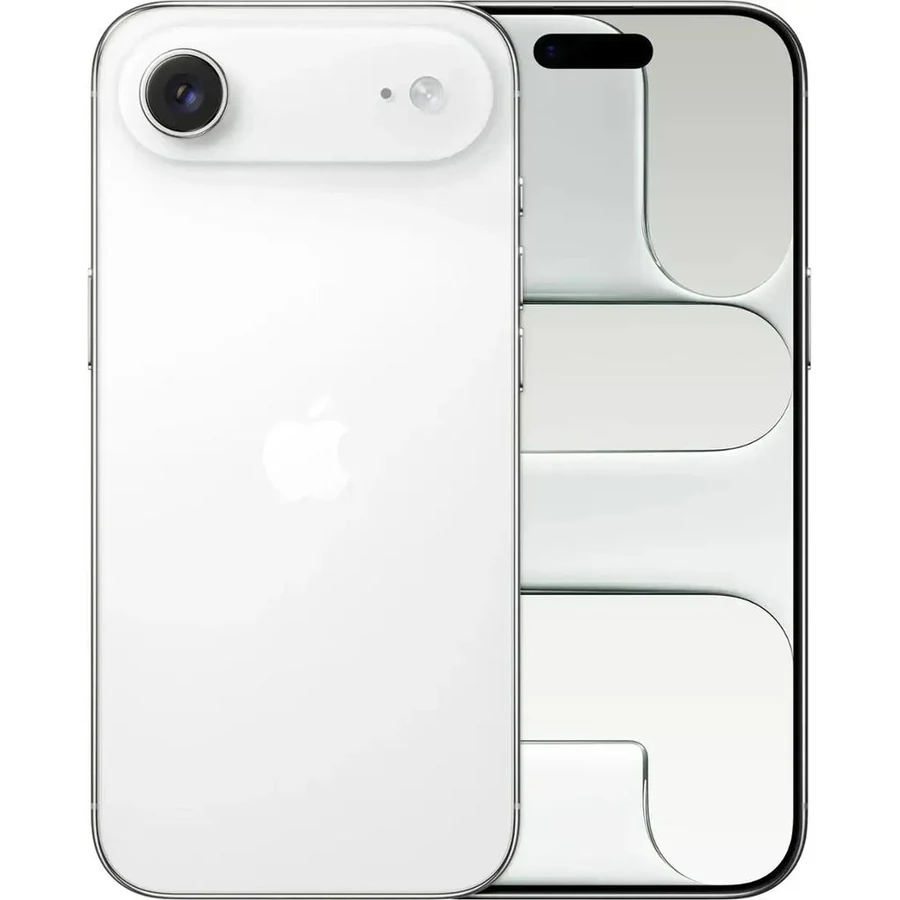
The Samsung Galaxy S21 FE 5G (released in 2022) and the Apple iPhone Air (released in 2025) represent entirely different generations and philosophies in smartphone design. While the Galaxy S21 FE serves as a fan-focused Android device prioritizing balanced everyday features, the iPhone Air introduces an ultra-slim profile running Apple's iOS ecosystem. These two devices diverge significantly in release timeline, operating systems, and physical design concepts.
Samhlacha atá ar fáil
Dath
Storage (GB)
Scóir
Marthanacht
When examining longevity, these two smartphones differ substantially due to their release dates and respective manufacturer support lifecycles.
- Release timeline and software support: The Galaxy S21 FE launched earlier and runs on the Android operating system, with a finite window of remaining software updates. The iPhone Air arrived several years later, running iOS, and benefits from a much longer remaining software support window.
- Repairability and durability: Both models utilize robust outer shells, though the iPhone Air incorporates advanced aerospace-grade materials in an extremely thin chassis. The Galaxy S21 FE features a reinforced plastic back paired with an aluminum frame, which absorbs drops effectively during daily handling.
Bliain eisiúna
2022
2025
An córas oibriúcháin comhoiriúnach is déanaí
Tá
Tá
Córas oibriúcháin
Android
iOS
Foldable
Níl
Níl
Feidhmíocht
Processing capabilities and daily user experiences vary notably between the two handsets based on their internal hardware configurations.
- Everyday responsiveness and multitasking: Both devices handle standard communication apps, web browsing, and media streaming smoothly. The iPhone Air benefits from a significantly newer, high-efficiency processor that excels in demanding applications and heavy multitasking environments.
- Battery behavior and storage: The Galaxy S21 FE includes a moderate battery capacity designed to handle a standard day of mixed use, whereas the iPhone Air balances its ultra-thin footprint with power-efficient internals. Both models offer multiple internal storage configurations to accommodate personal files and applications without expandable memory slots.
Cáilíocht an scáileáin
Visual output and display technologies offer distinct viewing experiences tailored to media consumption and outdoor readability.
- Display technology and clarity: The Galaxy S21 FE features a vibrant flat OLED panel with crisp resolution and smooth refresh rates. The iPhone Air utilizes an expansive Super Retina XDR OLED display with advanced adaptive refresh rate technology and exceptionally high peak outdoor brightness.
- Viewing experience: Both screens deliver deep contrast levels and rich colors suitable for reading, watching videos, and navigating interfaces under direct sunlight, though the iPhone Air provides a slightly larger canvas for media.
Taifeach
—
2736x1260
Cineál scáileáin
Dynamic AMOLED 2X
Super Retina XDR
Íomhá agus fuaim
Optics and audio playback capabilities cater to users who enjoy capturing everyday moments and consuming media on the go.
- Camera versatility: The Galaxy S21 FE provides a versatile multi-lens rear camera setup including telephoto optical zoom capabilities. Conversely, the iPhone Air streamlines photography with a single high-resolution rear sensor supported by advanced computational imaging software.
- Audio and video output: Both smartphones deliver clear stereo sound for calls and media playback, while their video recording features include robust stabilization for handheld footage.
Príomhcheamara
12 megapixels
48 megapixels
Ceamara tosaigh
32 megapixels
18 megapixels
Gnéithe eile
Physical dimensions, connectivity standards, and daily handling characteristics set these two models apart in practical use.
- Dimensions and handling: The iPhone Air stands out for its remarkably thin profile and lightweight titanium build, making it effortless to slip into pockets. The Galaxy S21 FE offers a conventional, lightweight form factor with comfortable rounded edges.
- Connectivity and ports: Both devices support modern 5G cellular networks, fast Wi-Fi standards, and Bluetooth connectivity. The Galaxy S21 FE relies on a USB-C port for charging and wired data transfer, while the iPhone Air also adopts a USB-C port in line with modern universal standards.
Meáchan
—
Not available
Méid an scáileáin (orlach)
6.4
6.5
Líonra
5G
5G
Cárta SIM
SIM fisiciúil
eSIM
Carrier compatibility
Gan ghlas líonra
Gan ghlas líonra
Tuairimí an phobail
User feedback highlights distinct preferences for each device depending on individual workflow requirements. Owners of the Galaxy S21 FE frequently praise its reliable screen size, comfortable ergonomics, and practical multi-lens camera system, though some users note that battery life requires more frequent charging under heavy daily loads. On the other hand, users of the iPhone Air highlight its striking lightweight feel and smooth system animations, while observing that the ultra-slim chassis leaves little room for physical expansion and relies entirely on digital eSIM technology.
Users prioritizing a traditional Android interface with expandable focal lengths will find the Galaxy S21 FE well-suited to their daily routines. Meanwhile, users preferring a lightweight iOS device with a modern ultra-slim profile may lean toward the iPhone Air. Exploring a quality-assured refurbished option provides an eco-friendly alternative for acquiring either model while reducing electronic waste. Ultimately, the right choice depends on personal ecosystem preferences and daily handling comfort.