
Compare models

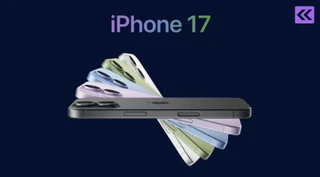
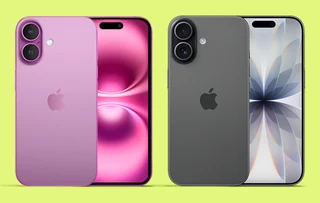
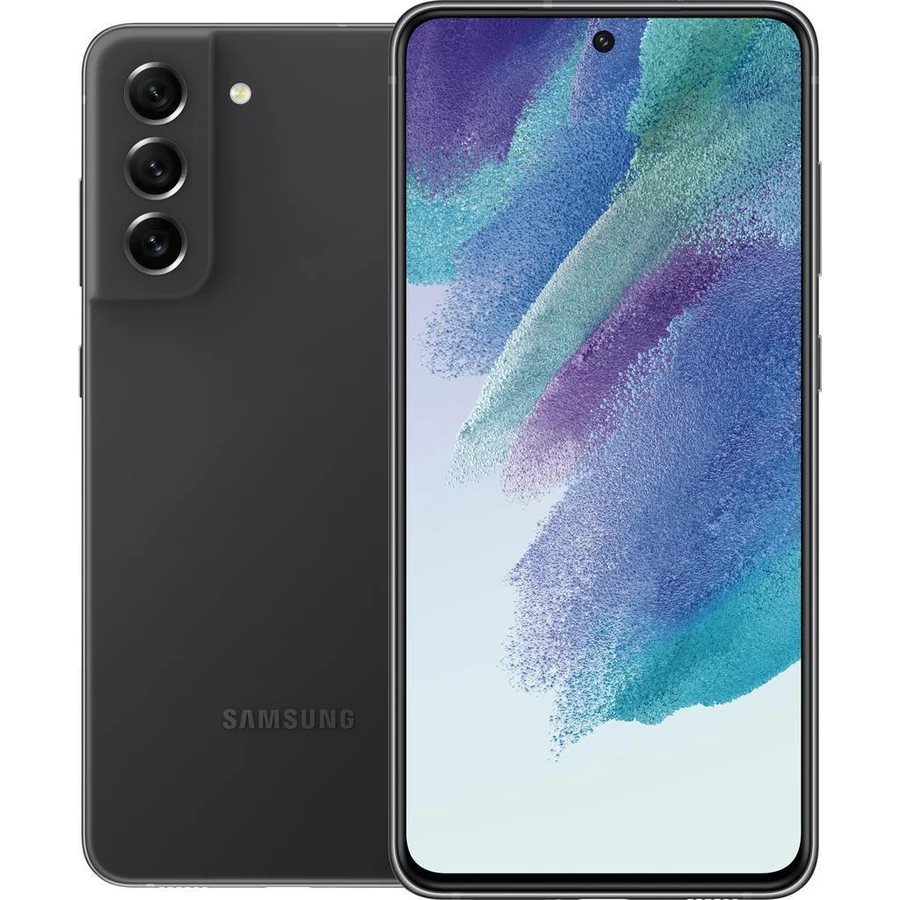
Galaxy S21 FE 5G · E wātea ana ki ngā whatunga katoa vs iPhone 17 · E wātea ana ki ngā whatunga katoa

  • Pūtāhui kotahi tau
  • Shipping rates shown at checkout
  • Ka taea te whakahoki i roto i ngā rā 14 (ka pā ngā tikanga tuku whakahoki)
Galaxy S21 FE 5G · E wātea ana ki ngā whatunga katoa
Mai i

Utu mō te mea kua whakahoungia:USD 53 $

Utu mō te mea hou · USD 699.99 $

Tirohia ngā kōwhiringa
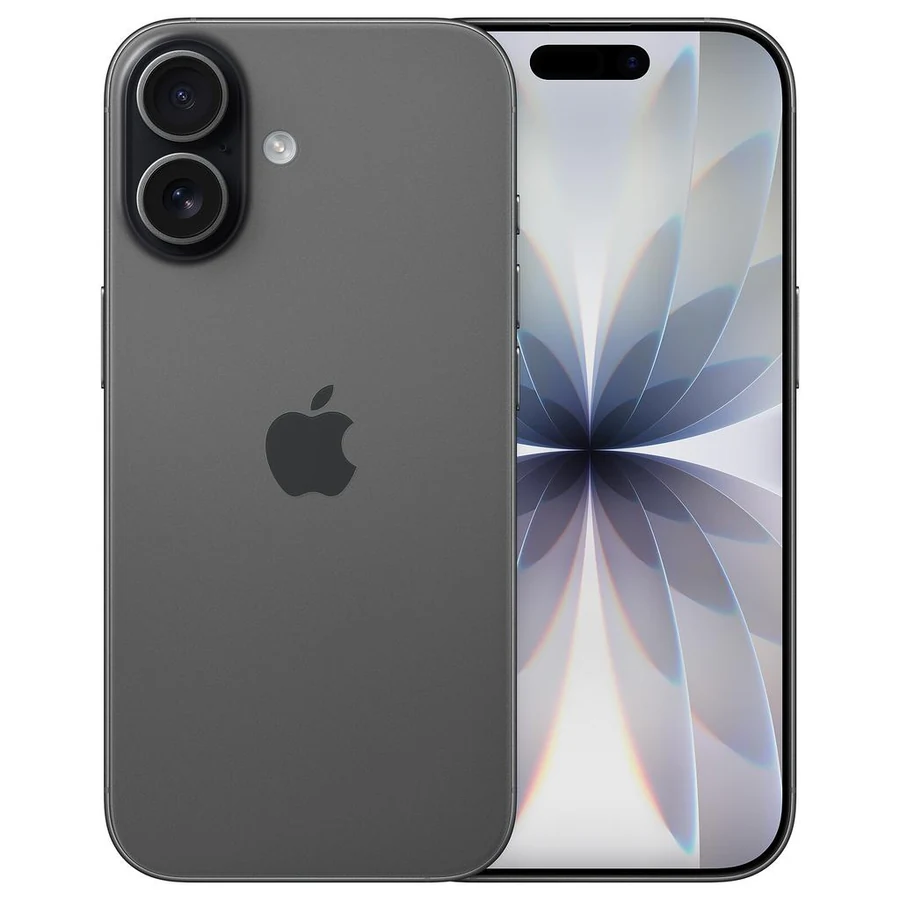
iPhone 17 · E wātea ana ki ngā whatunga katoa
Mai i

Utu mō te mea kua whakahoungia:USD 249 $

Utu mō te mea hou · USD 929 $

Tirohia ngā kōwhiringa

He tirohanga poto ki ngā rerekētanga

The Samsung Galaxy S21 FE 5G (2022) and the Apple iPhone 17 (2025) represent two distinct generations and operating systems in the modern smartphone landscape. While the Galaxy S21 FE runs on Android and offers a balanced feature set for everyday users, the iPhone 17 runs on iOS and introduces newer hardware advancements, an updated software ecosystem, and refined camera technology. Choosing between them involves weighing differences in launch timing, operating systems, and core physical attributes.

Ngā tauira e wātea ana

Tae

Storage (GB)

Ngā kaute

Te pakari

When examining longevity and durability, both devices reflect their respective release years, with software support timelines and hardware resilience shaping how long they remain practical daily drivers.

    Software Support: The iPhone 17 benefits from a later release year, ensuring extended operating system updates and security patches compared to the earlier-generation Galaxy S21 FE 5G.Build Resilience: Both models feature robust construction materials designed to withstand daily wear, though newer manufacturing standards in contemporary releases often incorporate enhanced scratch and drop resistance.Practical Lifespan: Users seeking a device equipped to handle long-term software evolutions will find newer hardware timelines advantageous for multi-year ownership.

Te tau i tukuna ai

2022

2025

Te pūnaha whakahaere hototahi hōu rawa

Āe

Āe

Pūnaha whakahaere

Android

iOS

Foldable

Kāo

Kāo

Te kaha mahi

Daily speed and operational smoothness depend heavily on how each device manages multitasking, storage configurations, and power efficiency during standard use.

    Multitasking and Responsiveness: Both models handle everyday applications, web browsing, and switching between multiple programs smoothly, though newer processors offer additional headroom for demanding tasks.Battery Behavior: Battery capacity and power efficiency vary between the two models, with typical daily use profiles determining whether an evening recharge is necessary.Storage Configurations: Base storage tiers differ across these generations, impacting how many applications, photos, and media files can be kept directly on the device.

Te kounga o te mata

Display characteristics directly affect media consumption, outdoor legibility, and overall visual comfort during extended daily use.

    Display Technology: Both devices utilize vibrant panel technologies that deliver deep contrast levels and sharp text rendering for reading and messaging.Brightness and Outdoor Visibility: Maximum peak brightness levels differ, influencing how easily content can be viewed under direct sunlight or bright outdoor lighting conditions.Refresh Rate Smoothness: Screen refresh capabilities vary between the two models, affecting the visual fluidity of scrolling through web pages and navigating user interfaces.

Taumira

—

2622x1206

Te momo mata

Dynamic AMOLED 2X

Super Retina XDR

Te ataata me te oro

Photography and video recording capabilities vary significantly across these two generations, reflecting ongoing sensor and software processing improvements.

    Camera System Versatility: Both setups feature multi-lens configurations that handle standard everyday snapshots and wider field-of-view photography effectively.Low-Light and Video Performance: Image processing advancements in newer hardware provide cleaner details in challenging lighting environments and stable video recording.Media and Audio Output: Speaker clarity and microphone quality support clear hands-free calling and enjoyable media playback without requiring external accessories.

Kāmera matua

12 megapixels

48 megapixels

Kāmera o mua

32 megapixels

18 megapixels

Ētahi atu āhuatanga

Practical daily usability is further shaped by connectivity standards, physical dimensions, and sensor integration.

    Connectivity and Ports: Both models support modern mobile networks, while physical connection ports and wireless communication standards reflect their respective release periods.Physical Handling: Dimensions and weight differ noticeably, affecting how comfortably each device rests in one hand or fits into pockets.Security Features: Biometric authentication methods vary between the two platforms, providing secure and rapid device unlocking.

Taumaha

—

6.24 oz (177 g)

Te rahi o te mata (inihi)

6.4

6.3

Whatunga

5G

5G

Kāri SIM

SIM ā-tinana

eSIM

Carrier compatibility

E wātea ana ki ngā whatunga katoa

E wātea ana ki ngā whatunga katoa

Ngā whakaaro o te hapori

The Samsung Galaxy S21 FE 5G and the Apple iPhone 17 cater to distinct user preferences through their differing operating systems, hardware generations, and feature priorities. Users who prefer the Android ecosystem and a streamlined multimedia experience often gravitate toward the Galaxy S21 FE 5G. Conversely, users aligned with iOS who prioritize the latest generational hardware updates and extended software support frequently lean toward the iPhone 17. For buyers exploring sustainable purchasing choices, a quality-assured refurbished option from RefurbLane provides a reliable, eco-friendly alternative for acquiring either device.

Ā mātou whakataurite hou

WhatsApp