
Compare models

Galaxy S21 FE 5G · E wātea ana ki ngā whatunga katoa vs iPhone Air · E wātea ana ki ngā whatunga katoa

  • Pūtāhui kotahi tau
  • Shipping rates shown at checkout
  • Ka taea te whakahoki i roto i ngā rā 14 (ka pā ngā tikanga tuku whakahoki)
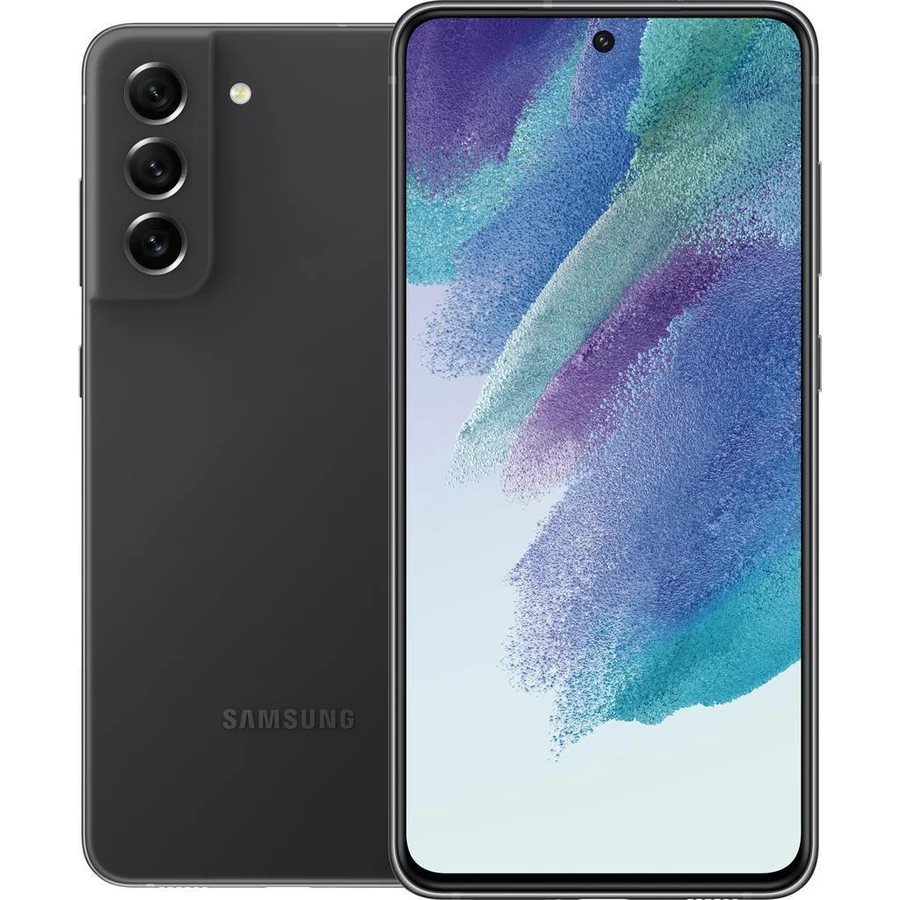
Galaxy S21 FE 5G · E wātea ana ki ngā whatunga katoa
Mai i

Utu mō te mea kua whakahoungia:53 $

Utu mō te mea hou · 699.99 $

Tirohia ngā kōwhiringa
iPhone Air · E wātea ana ki ngā whatunga katoa
Mai i

Utu mō te mea kua whakahoungia:269 $

Utu mō te mea hou · 1099 $

Tirohia ngā kōwhiringa

He tirohanga poto ki ngā rerekētanga

Kei te whakataurite i raro nei ngā whirihoranga taketake a ngā kaiwhakarato whatunga pūkoro. Kua wetekina ngā pūrere e rua e hokona ana ki tēnei whārangi kia taea ai te whakamahi ki ētahi atu whatunga.

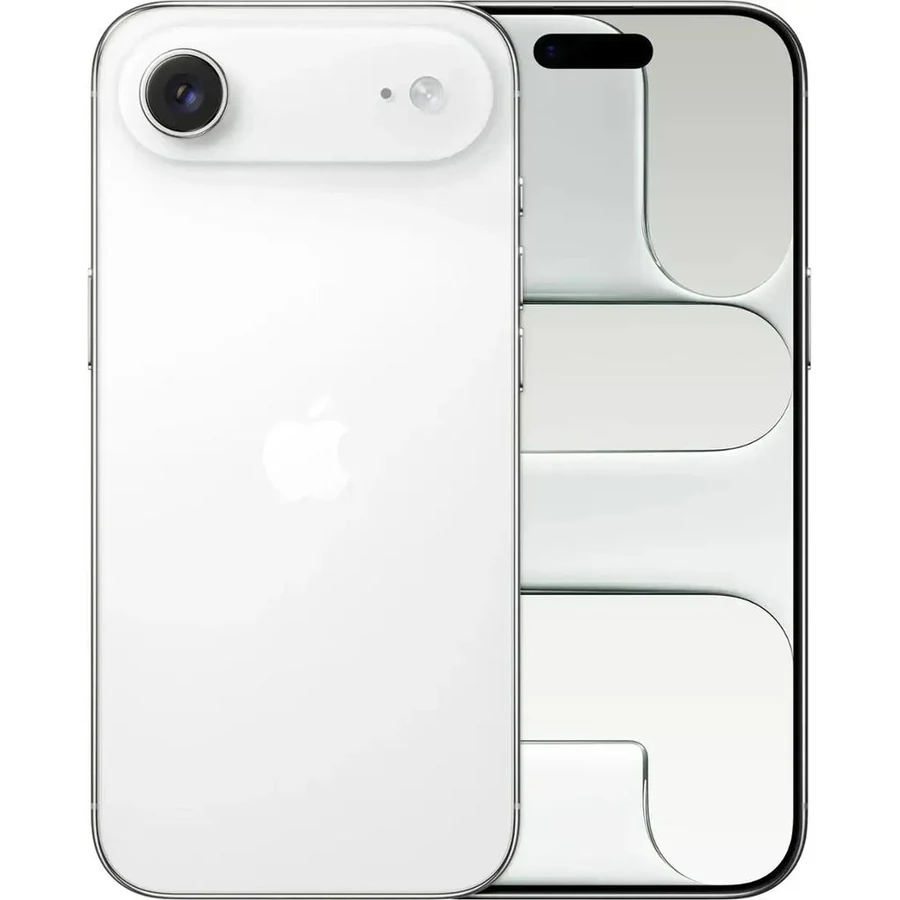
The Samsung Galaxy S21 FE 5G (2022) [locked to AT&T] and the Apple iPhone Air (2025) [unlocked] represent distinct eras and philosophies in mobile device design. While the Galaxy S21 FE targets everyday practicality with a balanced Android feature set, the iPhone Air introduces a breakthrough ultra-slim profile running iOS. These devices cater to different user preferences regarding operating systems, physical form factors, and release generations.

Ngā tauira e wātea ana

Tae

Storage (GB)

Ngā kaute

Te pakari

When evaluating the lifespan and software support of these two devices, release timelines and update cycles play a central role in long-term usability.

  • Software Support Duration: The iPhone Air benefits from a more recent release year, ensuring extended operating system updates and security patches compared to the earlier-generation Galaxy S21 FE.
  • Repairability and Build Longevity: Both devices feature durable frame constructions and official water-resistance ratings, though modern manufacturing standards in the newer iPhone Air offer refined structural durability for daily wear and tear.
  • Expected Practical Lifespan: Users seeking maximum software longevity across multiple years will find the newer iPhone model aligns well with prolonged update timelines, whereas the Galaxy S21 FE remains suited for standard multi-year service cycles.

Te tau i tukuna ai

2022

2025

Te pūnaha whakahaere hototahi hōu rawa

Āe

Āe

Pūnaha whakahaere

Android

iOS

Foldable

Kāo

Kāo

Te kaha mahi

Performance capabilities and day-to-day responsiveness differ significantly due to the generational gap between the hardware architectures.

  • Multitasking and App Responsiveness: The iPhone Air handles demanding applications, graphics-heavy games, and intensive multitasking with seamless fluidity, while the Galaxy S21 FE smoothly manages standard daily tasks, social media, and moderate productivity apps.
  • Battery Behavior: The Galaxy S21 FE relies on a moderate capacity cell that typically requires daily recharging under standard use, whereas the iPhone Air balances its thin chassis with power-efficient processing to maintain steady daily endurance.
  • Storage Configurations: Both devices provide ample internal storage tiers for apps, media, and files, though neither model supports expandable storage via a physical card slot.

Te kounga o te mata

Visual immersion and display technologies shape the viewing experience on each smartphone quite differently.

  • Display Technology: Both models utilize vibrant OLED display panels that deliver deep contrast levels, rich colors, and sharp text rendering for media consumption and reading.
  • Refresh Rate and Smoothness: The iPhone Air features a high refresh rate display for fluid scrolling and animations, matching the responsive visual feedback found on the Galaxy S21 FE's high refresh rate screen.
  • Outdoor Visibility: High peak brightness capabilities on both screens ensure content remains legible under direct sunlight, while the iPhone Air offers a slightly larger diagonal viewing area.

Taumira

—

2736x1260

Te momo mata

Dynamic AMOLED 2X

Super Retina XDR

Te ataata me te oro

Multimedia capture and audio output capabilities vary to accommodate different user priorities in content creation and media playback.

  • Camera System Versatility: The iPhone Air equips a high-resolution single main camera paired with advanced computational photography tools, whereas the Galaxy S21 FE utilizes a multi-lens rear array including dedicated ultra-wide and telephoto options.
  • Video and Low-Light Performance: Both smartphones deliver clear low-light captures and steady high-definition video recording, with the iPhone series featuring specialized cinematic audio and stabilization modes.
  • Audio Experience: Built-in speaker systems on both devices provide adequate sound output for hands-free calls and casual video watching, though neither includes a traditional headphone jack.

Kāmera matua

12 megapixels

48 megapixels

Kāmera o mua

32 megapixels

18 megapixels

Ētahi atu āhuatanga

Practical daily usability elements, physical dimensions, and connectivity options define how each phone integrates into a user's routine.

  • Physical Dimensions and Handling: The iPhone Air emphasizes an exceptionally lightweight and ultra-thin chassis profile, while the Galaxy S21 FE presents a traditional, lightweight plastic-backed build that rests comfortably in one hand.
  • Security and Authentication: The Galaxy S21 FE offers an in-display fingerprint sensor alongside facial recognition, whereas the iPhone Air relies exclusively on advanced facial recognition technology.
  • Network Connectivity: Both devices support modern 5G cellular networks, fast Wi-Fi standards, and Bluetooth connectivity, with the iPhone model being factory E wātea ana ki ngā whatunga katoa for carrier flexibility compared to the carrier-locked status of the Samsung device.

Taumaha

—

Not available

Te rahi o te mata (inihi)

6.4

6.5

Whatunga

5G

5G

Kāri SIM

SIM ā-tinana

eSIM

Carrier compatibility

E wātea ana ki ngā whatunga katoa

E wātea ana ki ngā whatunga katoa

Ngā whakaaro o te hapori

User feedback from online communities highlights distinct preferences for each device. Users frequently praise the Galaxy S21 FE for its versatile multi-lens camera setup and familiar Android interface, though some note that battery capacity can feel limiting during heavier usage days. Conversely, users commend the iPhone Air for its exceptionally slim and lightweight build quality paired with smooth system performance, while noting the absence of a physical fingerprint sensor and a carrier lock on alternative models as points of consideration.

Users prioritizing a lightweight modern design, iOS ecosystem integration, and long-term software support may prefer the iPhone Air. Meanwhile, users who favor Android customization, carrier flexibility with AT&T, and a versatile multi-lens camera array often lean toward the Galaxy S21 FE. Choosing between them depends entirely on personal preferences for operating systems and physical handling rather than absolute performance superiority. For those exploring sustainable purchasing routes, opting for a quality-assured refurbished option provides an eco-friendly alternative that extends the lifecycle of technology without compromising on reliability.

Ā mātou whakataurite hou

WhatsApp