
Compare models
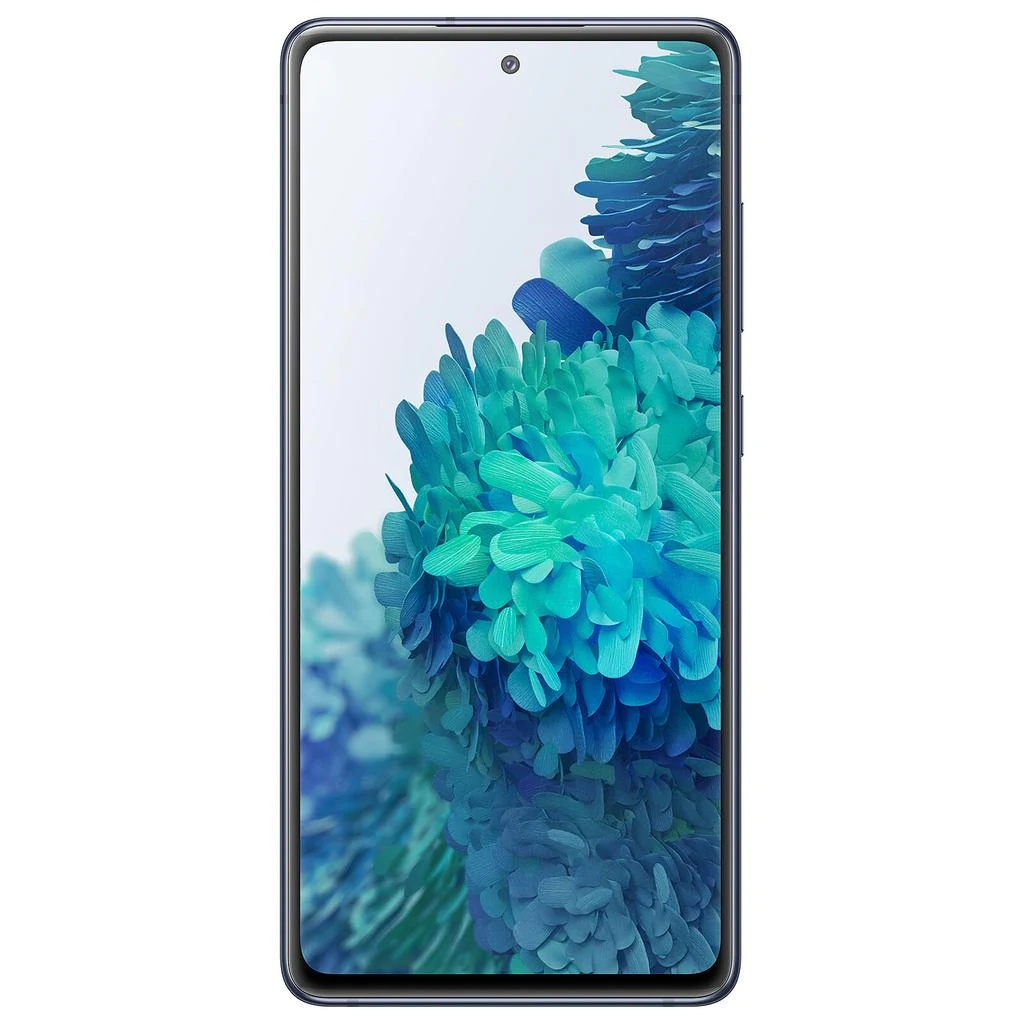
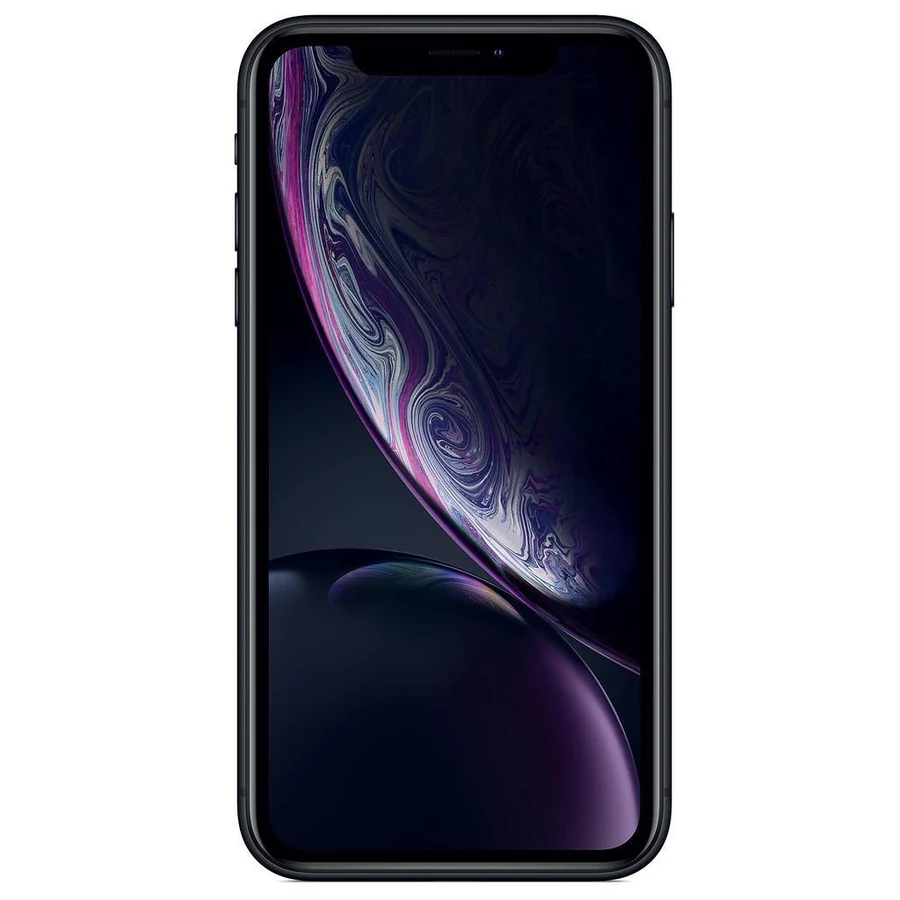
Galaxy S20 FE 5G · E wātea ana ki ngā whatunga katoa vs iPhone XR · E wātea ana ki ngā whatunga katoa
- Pūtāhui kotahi tau
- Shipping rates shown at checkout
- Ka taea te whakahoki i roto i ngā rā 14 (ka pā ngā tikanga tuku whakahoki)
He tirohanga poto ki ngā rerekētanga
The Samsung Galaxy S20 FE 5G (2020) and the Apple iPhone XR (2018) are popular unlocked smartphones designed to bring core everyday features to a broader audience. While they originate from different years and ecosystems, both models offer reliable daily performance and distinct software experiences. Choosing between them depends on your preference for operating systems and hardware layout.
Ngā tauira e wātea ana
Tae
Storage (GB)
Ngā kaute
Te pakari
Both devices offer long-term reliability, though their release timelines and software support schedules differ based on their launch years.
- Software support lifecycle: The iPhone XR runs iOS, receiving software updates spanning several years from its earlier launch, while the Galaxy S20 FE 5G operates on Android with its own structured update window.
- Repairability and build maintenance: Both models feature widely serviceable parts, making component replacements straightforward through standard repair channels.
- Expected practical lifespan: Choosing a quality-assured refurbished option extends the active service life of either device while supporting sustainable technology habits.
Te tau i tukuna ai
2020
2018
Te pūnaha whakahaere hototahi hōu rawa
Kāo
Āe
Pūnaha whakahaere
Android
iOS
Foldable
Kāo
Kāo
Te kaha mahi
Daily operation relies on distinct hardware foundations, providing smooth multitasking and app responsiveness suited to different user demands.
- Everyday multitasking: Both devices handle standard web browsing, messaging, and media streaming smoothly, backed by optimized system software.
- Rokiroki: The Galaxy S20 FE 5G offers expandable storage via a microSD card slot alongside internal options, whereas the iPhone XR relies on fixed internal storage capacities.
- Battery endurance: The Galaxy S20 FE 5G includes a larger battery capacity that comfortably powers through a full day of mixed use, while the iPhone XR manages daily tasks efficiently with a smaller power cell.
Te kounga o te mata
Visual output differs significantly in display technology and motion smoothness, affecting media consumption and outdoor readability.
- Display technology: The Galaxy S20 FE 5G features a Super AMOLED screen with deep contrast and vibrant colors, while the iPhone XR utilizes an LCD Liquid Retina display.
- Refresh rate and fluidity: The Galaxy S20 FE 5G supports a high 120Hz refresh rate for fluid scrolling and animations, whereas the iPhone XR operates at a standard 60Hz refresh rate.
- Viewing experience: Both panels offer clear text and bright viewing conditions, though the Samsung model provides punchier color profiles and smoother motion transitions.
Taumira
1080 x 2400
828 x 1792
Te momo mata
Super AMOLED
Liquid Retina IPS LCD
Te ataata me te oro
Optics and media playback capabilities vary, offering different setups for photography enthusiasts and casual users alike.
- Rear camera systems: The Galaxy S20 FE 5G incorporates a versatile triple-lens array featuring ultra-wide and telephoto options, while the iPhone XR keeps things simple with a single rear camera lens.
- Video and low-light performance: Both phones capture sharp detail in daylight and stable video clips, with Samsung providing extra framing flexibility through its telephoto zoom lens.
- Audio and media output: Stereo speakers on both models deliver clear sound for hands-free calls, casual video viewing, and music playback.
Kāmera matua
12 megapixels
12 megapixels
Kāmera o mua
32 megapixels
7 megapixels
Ētahi atu āhuatanga
Physical dimensions, connectivity standards, and biometric security features shape day-to-day handling and usability.
- Biometric security: The Galaxy S20 FE 5G uses an in-display fingerprint scanner and facial recognition, while the iPhone XR relies exclusively on face recognition technology.
- Connectivity standards: The Galaxy S20 FE 5G includes modern 5G network compatibility, whereas the iPhone XR connects primarily via 4G LTE networks.
- Physical design: Both handsets feature durable frames with water and dust resistance ratings, offering reliable protection against everyday splashes and spills.
Taumaha
—
7 oz
Te rahi o te mata (inihi)
6.5
6.1
Whatunga
5G
LTE
Kāri SIM
SIM ā-tinana
Physical SIM + eSIM
Carrier compatibility
E wātea ana ki ngā whatunga katoa
Ngā whakaaro o te hapori
User feedback from online communities highlights distinct preferences for each device. Owners of the Galaxy S20 FE 5G frequently praise its smooth high-refresh-rate display, versatile multi-lens camera setup, and the addition of expandable storage. Common discussions note that heavy gaming or extended use can occasionally cause the device to run warm. Conversely, iPhone XR users often emphasize the reliable simplicity of the operating system, consistent battery longevity, and solid build quality, though some note limitations with the single rear camera and standard display refresh rate.
Users prioritizing display fluidity and camera versatility may prefer the Galaxy S20 FE 5G, while users leaning toward Apple's software ecosystem and straightforward handling often choose the iPhone XR. Opting for a quality-assured refurbished model provides an eco-friendly alternative that aligns with sustainable purchasing goals. Ultimately, selecting the right device depends on which software environment and hardware features match your daily routine.