
Compare models
Galaxy A53 5G · E wātea ana ki ngā whatunga katoa vs iPhone Air · E wātea ana ki ngā whatunga katoa
- Pūtāhui kotahi tau
- Shipping rates shown at checkout
- Ka taea te whakahoki i roto i ngā rā 14 (ka pā ngā tikanga tuku whakahoki)
He tirohanga poto ki ngā rerekētanga
The Samsung Galaxy A53 5G (2022) and the Apple iPhone Air (2025) represent two distinct approaches to smartphone design and functionality. While the Galaxy A53 5G focuses on delivering a balanced Android experience with expanded utility, the iPhone Air prioritizes an ultra-slim profile and cutting-edge mobile hardware within the iOS ecosystem. These devices cater to different user preferences regarding software environments and physical form factors.
Ngā tauira e wātea ana
Tae
Storage (GB)
Ngā kaute
Te pakari
When evaluating long-term usability, both devices offer robust support timelines through their respective software ecosystems, though they target different generations of mobile technology.
- Software Support: The Galaxy A53 5G benefits from an extended update policy for an Android device of its era, while the iPhone Air provides long-term iOS updates fitting its recent release timeline.
- Repairability and Build: Both smartphones feature standard structural designs, with repair availability varying by regional service networks and local technician access.
- Expected Lifespan: Choosing a quality-assured refurbished option provides a sustainable choice that extends the active deployment lifecycle of these electronics while maintaining reliable daily function.
Te tau i tukuna ai
2022
2025
Te pūnaha whakahaere hototahi hōu rawa
Āe
Āe
Pūnaha whakahaere
Android
iOS
Foldable
Kāo
Kāo
Te kaha mahi
Daily execution and responsiveness differ based on the internal hardware integration of each device, influencing how smoothly apps and multitasking operate.
- App Responsiveness: The iPhone Air handles demanding applications and heavy multitasking with high speed, whereas the Galaxy A53 5G manages standard day-to-day productivity tasks and casual apps reliably.
- Battery Behavior: The Galaxy A53 5G includes a large battery capacity that easily sustains a full day of mixed use, while the iPhone Air balances its thinner chassis with power-efficient component management.
- Storage Configurations: Both devices offer ample internal storage tiers to accommodate media libraries, applications, and documents without frequent clearing.
Te kounga o te mata
Visual output and panel construction differ significantly, affecting clarity, smoothness, and outdoor visibility during media consumption.
- Display Technology: Both models utilize vibrant OLED display panels that deliver deep contrast levels, rich colors, and sharp text rendering.
- Brightness and Outdoors: The iPhone Air reaches very high peak outdoor brightness levels for clear visibility in direct sunlight, while the Galaxy A53 5G provides comfortable viewing under standard daylight conditions.
- Auau tāmata: Both screens support smooth scrolling and fluid motion transitions through high refresh rate capabilities.
Taumira
1080 x 2400
2736x1260
Te momo mata
Super AMOLED
Super Retina XDR
Te ataata me te oro
Photography and audio capabilities vary depending on the onboard lens configurations and built-in processing systems.
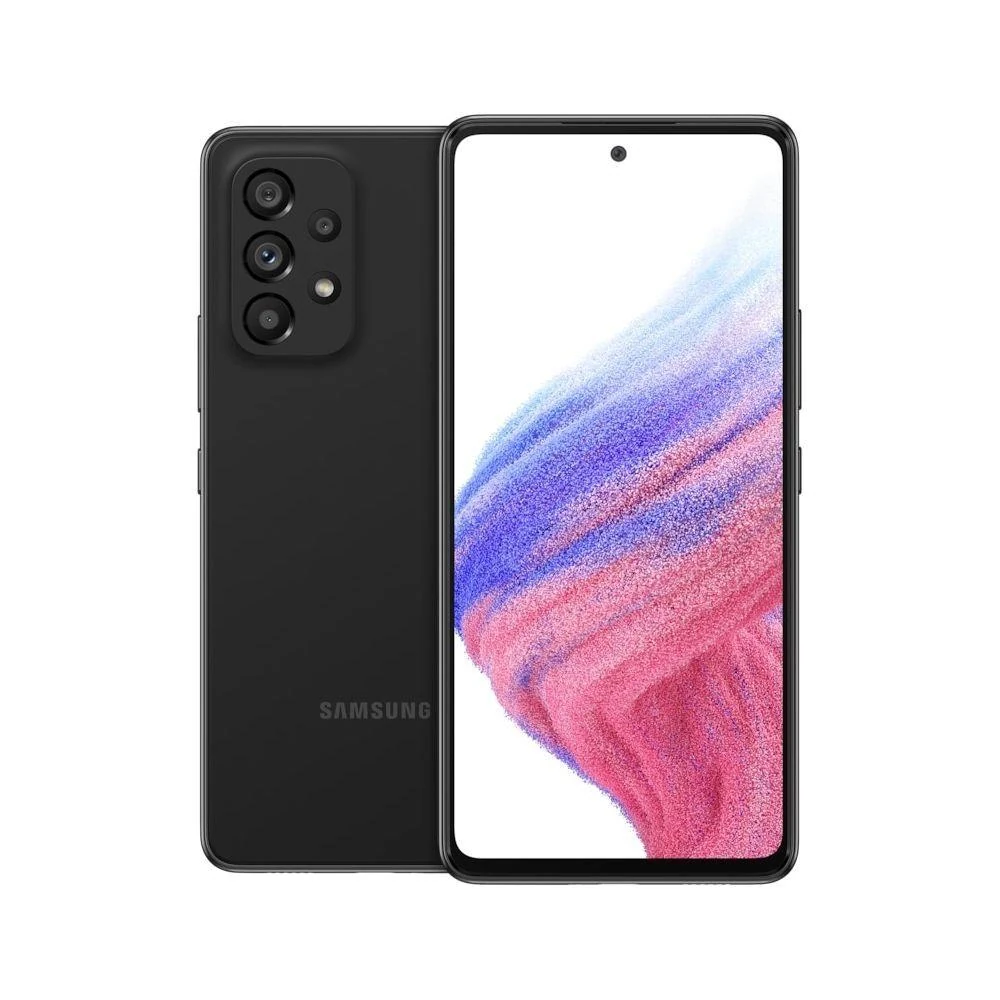
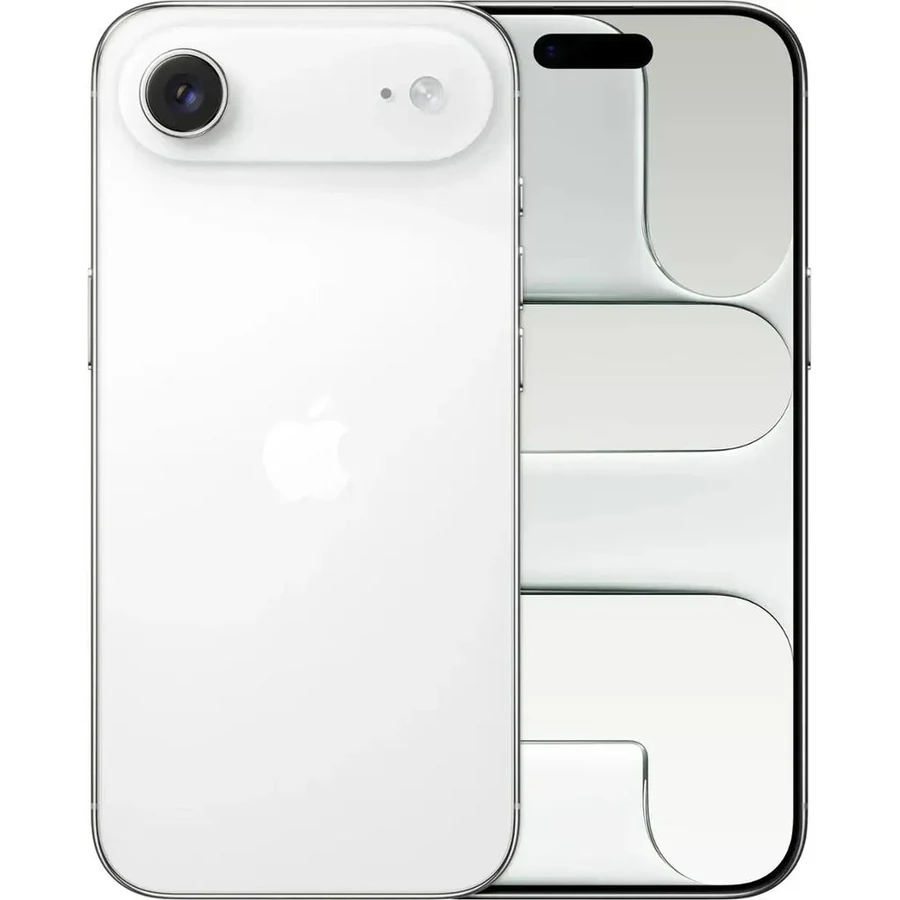
- Camera Systems: The Galaxy A53 5G features a versatile quad-lens rear setup for varied focal lengths, whereas the iPhone Air utilizes a streamlined single high-resolution main camera paired with advanced computational photography.
- Video and Low-Light: Both smartphones record stable video clips and capture clear details in dim environments using automatic stabilization features.
- Audio Output: Built-in speaker systems deliver clear sound for hands-free calling, casual video watching, and audio playback.
Kāmera matua
64 megapixels
48 megapixels
Kāmera o mua
32 megapixels
18 megapixels
Ētahi atu āhuatanga
Physical dimensions and connectivity options shape the practical handling and day-to-day portability of each smartphone.
- Build and Handling: The iPhone Air features an exceptionally thin and lightweight titanium-reinforced frame, while the Galaxy A53 5G offers a slightly heavier, traditional plastic-backed construction with water resistance.
- Ports and Connectivity: The iPhone Air utilizes a USB-C connection and dual eSIM support, whereas the Galaxy A53 5G includes physical SIM card slots and standard wireless network connectivity.
- Security Sensors: Biometric authentication is handled via in-screen optical fingerprint reading on the Samsung device and facial recognition on the Apple model.
Taumaha
7 oz
Not available
Te rahi o te mata (inihi)
6.5
6.5
Whatunga
5G
5G
Kāri SIM
SIM ā-tinana
eSIM
Carrier compatibility
E wātea ana ki ngā whatunga katoa
Ngā whakaaro o te hapori
User feedback from online forums highlights distinct preferences for each device. Owners of the Galaxy A53 5G frequently praise its dependable battery endurance and versatile multi-lens camera layout, though some note that heavy multitasking can occasionally induce slight loading pauses. Conversely, users of the iPhone Air highlight its remarkably light handling and bright display, while noting that the ultra-thin chassis requires an adjustment period compared to thicker form factors.
Users prioritizing extended battery retention and expandable daily utility may prefer the Galaxy A53 5G, while users focusing on lightweight portability and streamlined software performance will lean toward the iPhone Air. Selecting a quality-assured refurbished option serves as an eco-friendly alternative for acquiring either model responsibly.