



MacBooks

Какво търсите?

Updated on October 1, 2026
October 1, 2026
7 mins read

Lauren Benton
General Manager
Your phone plan could be costing you hundreds of extra dollars every year. Here’s how you’ve got phone plans all wrong.
The iPhone 18 Pro was just released by Apple, and every large telco is telling you that you can have it for USD 0 $ up front. Well, we’re here to tell you the truth about that cost, because it’s likely costing you more than you realize.
When it comes to buying and using Смартфони, the majority of Americans are overpaying and have no idea. That's because we're relying on expensive postpaid plans. And if that isn't bad enough, we’re constantly being told we need to upgrade our phones. The fact is, US consumers are being mis-sold information and ripped off. So today we’re lifting the lid and sharing how you can save more than USD 700 $ a year. Keep reading to find out how you can save hundreds on your phone plan.
A postpaid plan is a mobile service plan where you use the service first and pay for it later, typically at the end of a monthly billing cycle. With postpaid plans, you are often offered a “free” phone as part of your commitment or renewal, paid off in financing over a set period, like 12, 24, or 36 months. These plans average USD 109 $ per month. Then, once you’ve paid off your phone, there is always a newer phone available, and you are then marketed to upgrade to the “better” device, which actually ends up costing you even more.
But what if we told you your carrier has you paying more than you should? Like two times more. Let's compare this to prepaid mobile phone plans. Prepaid mobile plans that operate under the same parent company as the big post-paid plans offer the same unlimited data, talk and text on 5G and 4G LTE networks, but at a lower price. They do this by separating the cost of the service, the device and other perks. Choosing a prepaid plan means you can bring your own device. The savings of prepaid vs postpaid jump up even more if you resist the constant upgrade cycle.
If you recently received a new “free” phone from your carrier, check your bill again. There is no free lunch.
Here’s the intel – postpaid phone plans are offered by carriers, but come with a catch and a commitment. With a postpaid phone plan, your device is locked to the carrier. This means you can only use it with their service. Not only that, but they will be charging you for a premium service for the next 36 months as you pay off that device. Then, before you’ve even paid off your device, they will offer you an updated plan with the newest iPhone, which is often difficult to say no to, because it’s convenient. But many US consumers don’t understand the hidden costs.
With postpaid plans, carriers hide the cost of your phone inside a higher monthly fee, and what you really have is a device payment plan. That bundle may feel more premium, but it’s not the case – make no mistake, you are going to fully pay for that device (and then some).
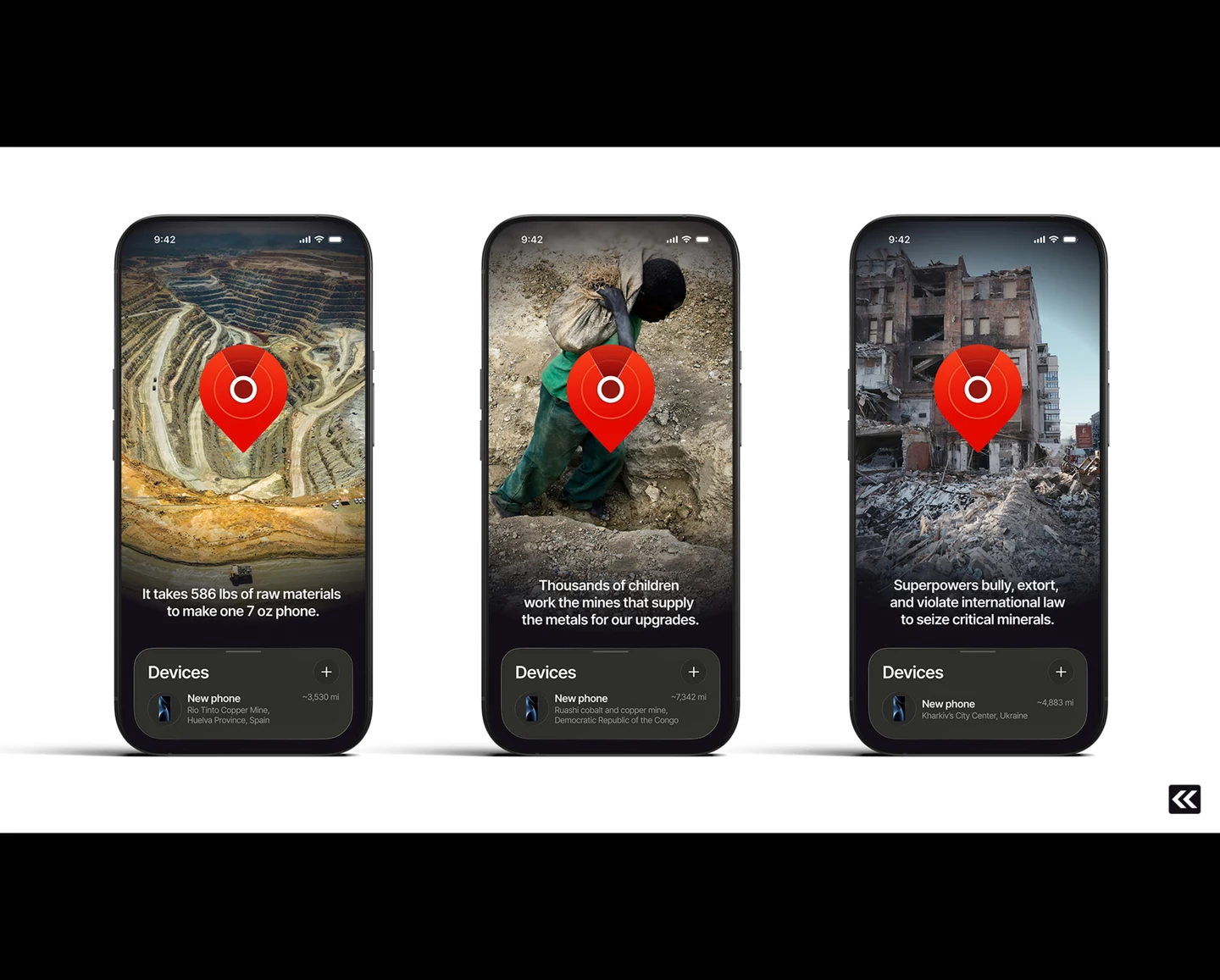
Here’s another cost you might not think about. Producing an average smartphone requires extracting and processing 586 pounds of natural resources. That’s more than 1,300 times the weight of the phone itself. Each device has at least 60 raw materials including cobalt, copper and gold used to make your phone fast and efficient. But mining these materials is having a catastrophic impact on the planet and its communities, including water pollution and soil contamination impacting crops, and leading to an impact on health and disease. The most effective way to reduce the impact of your phone isn’t necessarily to recycle it, but to keep it in use for longer. Repairing, refurbishing, or simply keeping your existing device for longer means getting more use from the resources that have already gone into making it and less demand for new ones.
Compare the total cost over the same number of months. Add the device price, activation fee, taxes and monthly service charges. For a financed phone, include any interest and check what you would owe if you left the plan early.
Alibaba Pay поддържа кредитни, дебитни и предплатени карти, Apple Pay, Google Pay, PayPal и PayPal Pay Later.
Наличните начини зависят от устройството ви, държавата и изискванията на доставчика на платежни услуги.
So what’s stopping you from switching?
You don’t have to take our word for it – get out your bill and view the math for yourself. Check out this comparison tool to see how different plans from major and discount carriers match up, and how much you could be saving.
If you’re currently on a postpaid plan and want to switch, it’s easier than you think. If you’re on a device payment plan, you have the option to pay off your device in full. We recommend contacting your service provider for specific details, and we’ve listed information from three of the major carriers on how you can complete a device payoff:
Once it’s paid off, you’re free – you own that device. Check whether the phone is unlocked and compatible with your new plan.








 WhatsApp